





Cortisone is known as the active ingredient in several anti-inflammatory medications. But it is first and foremost an essential hormone in the human body. Effects, side effects, application, precautions… The main thing to know if you should take it.
Corticosteroids are medications widely used to calm inflammation and relieve many symptoms, sometimes very quickly. They are also called “steroidal anti-inflammatories”. Prescribed in various situations, from allergies to chronic illnesses, they act by imitating a hormone naturally produced by the body (cortisone). Their effectiveness is well known, but their use also requires vigilance, because they are not without side effects, especially in the event of prolonged treatment. Understanding their role, their operation and their precautions for use allows them to be used better on a daily basis.
Definition: what is cortisone?
Cortisone is a hormone naturally secreted by the adrenal glands in the kidneys. “It is essential for life, it has anti-inflammatory properties and regulates the metabolism of sugar, proteins, carbohydrates, etc.” informs us Professor Laurence Fardet, dermatologist and internist. Natural cortisone can also be manufactured in the laboratory to be prescribed as a medicine. It is administered to people with adrenal insufficiency who are no longer able to secrete this hormone. There are also synthetic corticosteroids such as prednisone and prednisolone, which are derivatives of cortisone. “These have an anti-inflammatory action four to five times greater than that of natural cortisone; they are more effective and have fewer side effects” specifies Professor Fardet.
What are the effects of corticosteroids?
Corticosteroids or “corticosteroids” have an anti-inflammatory action fighting against inflammatory processes, and also an immunosuppressive activity, that is to say reducing the body’s defense reactions, sometimes sought in certain autoimmune diseases. They can be used as medications to be taken by mouth, but also in the form of injectable products, intravenously and also locally in the joints in cases of rheumatism. They nevertheless have many adverse effects, which generally limits their use to short courses, when it is not a question of chronic inflammatory disease. We distinguish:
- Short-acting corticosteroids, including prednisone, prednisolone and methylprednisolone. Their inflammatory power is between 4 and 5;
- Intermediate-acting corticosteroids, including triamcinolone and paramethasone. Their inflammatory power is between 5 and 10;
- Long-acting corticosteroids, including betamethasone, dexamethasone and cortivazol. Their inflammatory power is between 25 and 30 (it can go up to 60 for cortivazol).
In which medications?
What are the indications for cortisone? For which diseases?
Corticosteroids are indicated in the treatment of more than a hundred pathologies, from rheumatoid arthritis to asthma, including cancer, organ transplants, dermatological and pulmonary diseases… “These are quite fantastic molecules that can treat and cure a very wide range of diseases. On the other hand, we avoid giving them as much as possible in the event of infectious diseases because they weaken the immune system – this is precisely the desired effect. However, in the event of infection, it is more a question of strengthening immunity“. Corticosteroids can be prescribed for a short treatment treating small conditions (sinusitis, laryngitis, etc.) or for a more prolonged treatment, which can last several weeks, months, or even years. In France, the diseases for which they are most widely prescribed are pulmonary (acute bronchitis, asthma), rheumatic and cancerous.
In what form?
- Cortisone is found in many forms. “Taking the form of tablets is the most common“, explains Laurence Fardet.
- Corticosteroids are also available in spray, a form suitable for treating illnesses such as asthma or laryngitis.
- In the form of a cream, it will rather treat dermatological pathologies (eczema).
- Intra-articular injections are given to treat rheumatic problems.
- Eye drops (eye drops) may be prescribed to treat eye inflammation.
- Intravenous or intramuscular injections are prescribed in certain exceptional cases of pathologies which require very urgent treatment.
What is a topical corticosteroid?
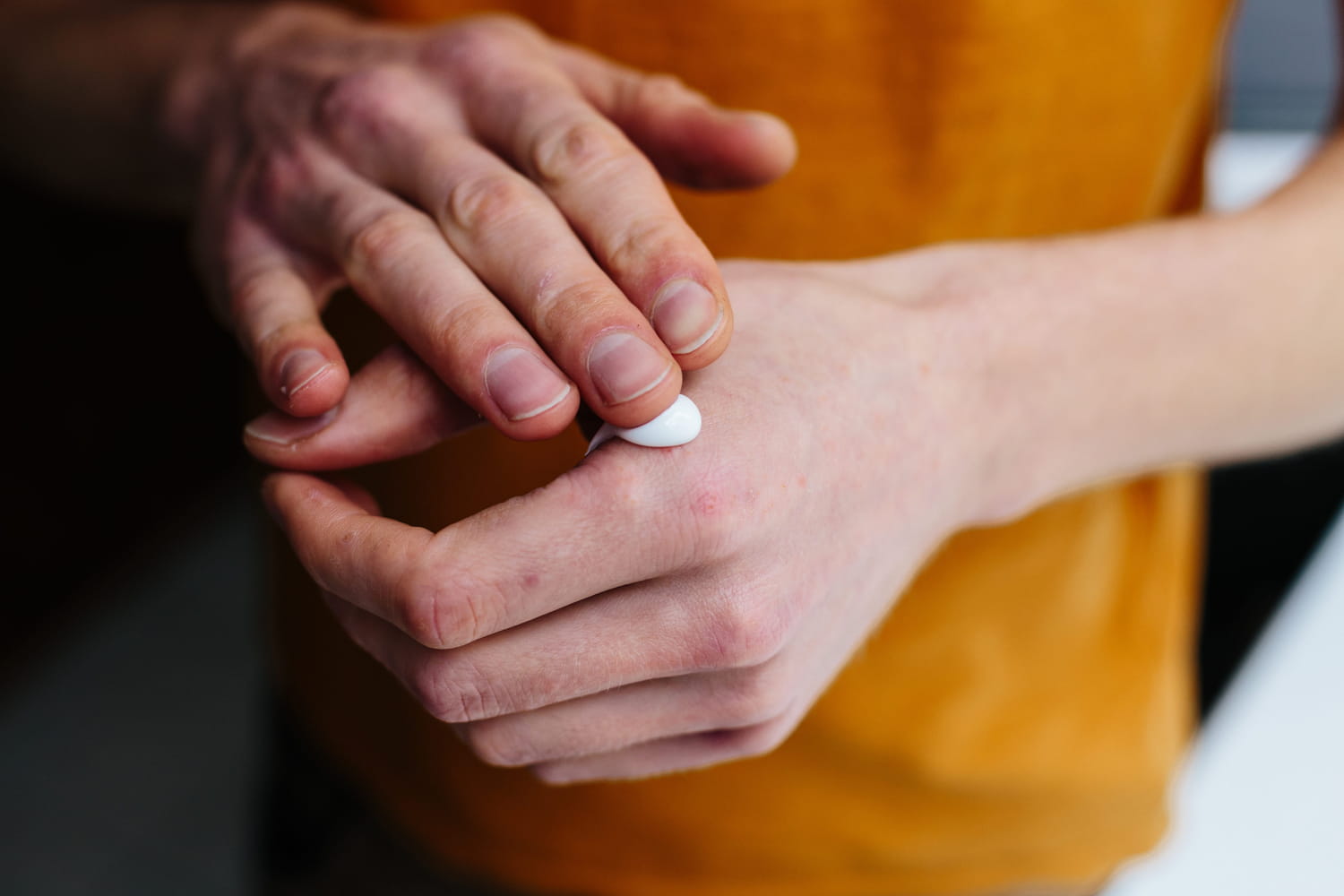
Corticosteroids are called “topical” when they are applied locally. We also talk about topical corticosteroids. They are indicated in the treatment of many dermatological diseases such as contact eczema, atopic dermatitis, psoriasis, seborrheic dermatitis, in order to relieve inflammation and itching. Most of the time, the doctor recommends 1 or 2 applications per day and prescribes a gradual cessation of treatment. With prolonged use, topical corticosteroids may cause dilation of small vessels, thinning and depigmentation of the skin.
What are the differences between oral and inhaled corticosteroids?
Inhaled corticosteroids are mainly indicated as a basic treatment for asthma. By reducing inflammation and secretions in the bronchi, they promote the passage of air and gas exchanges. They are also indicated in chronic obstructive bronchitis (COPD), various pulmonary fibroses. Oral corticosteroids are indicated in the context of autoimmune diseases, inflammatory pathologies, acute allergic reactions, exacerbation of asthma. They are also prescribed for rheumatological diseases (rheumatoid arthritis), certain cancers, inflammatory bowel diseases, neurological and even renal diseases.
What are the side effects of cortisone?
Side effects differ radically depending on whether you follow a short or long course of treatment. In the first case, the side effects are very limited. One may experience difficulty sleeping due to the stimulating effect of corticosteroids. “Patients are often afraid of the idea of taking cortisone, whereas for short prescriptions, we do not find the side effects that we fear so much.” On the other hand, “their long-term oral use (tablets) leads to a risk of hypertension and diabetes in predisposed patients, osteoporosis and an increased risk of fracture, sleep and mood disorders, thinner and more fragile skin, digestive disorders (ulcers, stomach aches, pancreatitis), swelling of the face (Cushing’s syndrome), neck and stomach, water retention and weight gain, hypokalemia, or even a reduction in immune defenses (at high doses, growth retardation is to be feared in children).details Dr Habib Chabane, allergist in Paris. In the form of creams, with prolonged use, topical corticosteroids can also cause dilation of small vessels, thinning and depigmentation of the skin.
What precautions should you take when taking cortisone?
Beyond scrupulously following your doctor’s prescription, you must make sure to drink plenty of water. In case of prolonged oral treatment (tablets), it is advisable to follow a salt-free diet (to avoid water retention) and to supplement with potassium. To prevent gastric risks, the combination of an antiulcer medication such as Omeprazole ® may be recommended by the doctor. Dr Habib Chabane also recommends:
- Check your weight regularly
- Check serum potassium (blood ionogram) because there is a risk of loss of potassium and heart problems. It is possible to supplement if necessary (food or medication).
- Control blood pressure and control lipid metabolism.
- Control your blood sugar and reduce sugar consumption if necessary (or treatment if necessary).
- Check vision if treatment is taken long-term.
- Enrich the diet with calcium and vitamin D and monitor bone mineralization (bone densitometry).
Cortisone and sun
Medications based on cortisone are not considered photosensitizing but caution is necessary since cortisone taken orally and even more so in cream form can make the skin thinner, more fragile and sometimes more sensitive to external aggressions, including UV rays. Over time, these medications can also promote the appearance of bruising, redness or slow down skin repair. Concretely, there is no strict prohibition, but it is better to avoid directly exposing the treated area, protect your skin with clothing and use sunscreen, especially in the case of high dose treatment or over several weeks.
Cortisone and diet
When it comes to diet, it should be borne in mind that cortisone in tablet form can make you want to eat more. However, the potential weight gain linked to treatment should encourage you to balance your food intake. “However, the strict diets often imposed are not scientifically based, and can even constitute a reason for discontinuing treatment. All diets without salt, without sugar, without fat, are a priori of no interest when taking cortisone, contrary to what has long been thought.“
Cortisone and sport
On the other hand, physical activity is strongly recommended. It helps fight against osteoporosis and weight gain induced by treatment. “Numerous studies have shown the benefits of physical exercise in patients treated with cortisone“, concludes the specialist.
Can you get cortisone without a prescription?
“Corticosteroids are not sold without a prescription because their prolonged use without medical supervision carries risks of serious adverse effects. Only nasal beclomethasone is authorized in France from the age of 15 for the treatment of allergic rhinitis”, indicates Dr Habib Chabane.
What are the contraindications?
Brief treatment with corticosteroid therapy has no contraindication. It is nevertheless contraindicated, regardless of the duration, in the following cases:
- a severe psychiatric pathology
- hypersensitivity to one of the constituents
- recent vaccination with a live vaccine or an active infectious state (herpes for example)
In case of peptic ulcer, a corticosteroid can be administered, but antiulcer drugs must be combined.
Thanks to Professor Laurence Fardet, dermatologist and internist, and Dr Habib Chabane, allergist in Paris.