

Much more than simple fatigue, the fact of preferring one’s interior to external demands hides deep psychological mechanisms. Saverio Tomasella, doctor of psychology, deciphers for us the springs of our secret garden and what this saving need for withdrawal says about our emotional balance.
There are days when you don’t want to go out. Some people have a taste for a home life: for them, staying at home comes before going out, seeing people… Where does that come from? How is this explained in psychology? If society values being active and having a busy social life, enjoying staying at home is a pleasure that should not make you feel guilty. Far from being laziness or a lack of interest in the world, this withdrawal into one’s home responds to specific physiological and psychological needs.
There are several profiles of homebodies, and it often begins with a biological imperative, especially in winter. “From mid-November and until mid-February, our body needs rest, warmth and internalization”immediately recalls Dr Saverio Tomasella, doctor in clinical psychology, specifying that, faced with the cold and the short days, “it’s a form of hibernation, because we are also animals”. For others, it’s a question of temperament: “Homebody people prefer to be at home”often because they have “an introverted temperament” who makes their home “their refuge, their place of reference”. Finally, this need also concerns those who “vadrouillent” all week or “people who have a lot of things to do, like some women, between home, work and family”. For these exhausted profiles, staying at home becomes a vital necessity: “When I have more time for myself, I stay at home, because that’s where I feel good”illustrates the expert.
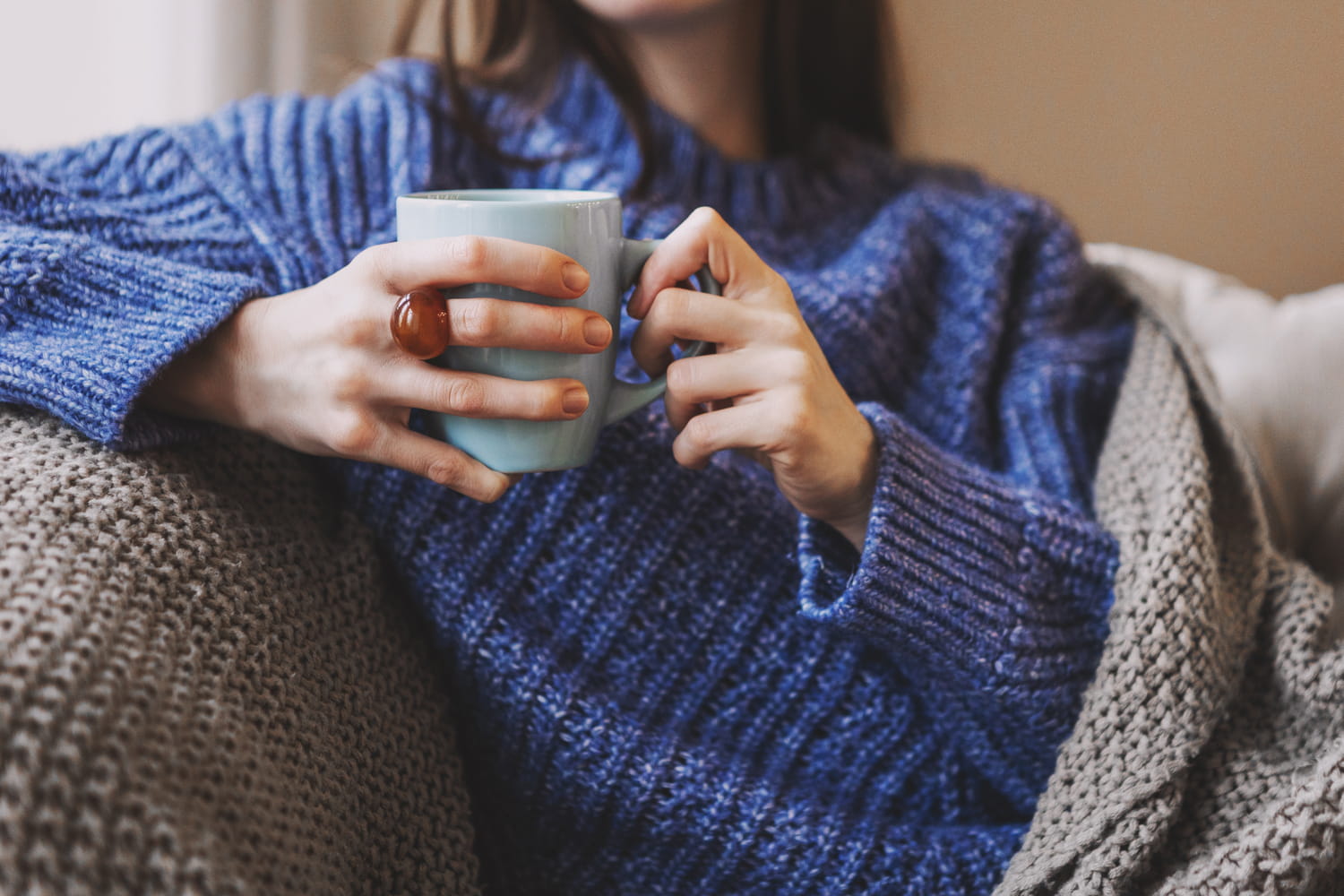
Enjoying these moments of domestic solitude is a very positive sign of balance. The expert is clear: “People who know how to take time at home, alone or with loved ones, have good mental health.” This time spent at home allows you to refine your cocoon, “enjoy the decor we have created”and above all to treat yourself to a real “moment of withdrawal” Who “allows a return to oneself and a rejuvenation, a regeneration”. It is a privileged moment when we no longer play a social role. Knowing how to stop and enjoy your home is proof that you know how to listen to yourself.
Although loving your home is healthy, you must nevertheless remain vigilant so as not to fall into confinement. “Social isolation is one extreme of this withdrawal into oneself”warns Saverio Tomasella. The boundary is subtle: when you are at home, you do not avoid others, whereas “withdrawal into one’s home is a closure to the other”A “psychic withdrawal” where we cut ourselves off from the world. To avoid slipping into this harmful isolation, there is a simple solution: “The only thing to do is to make contact with a real, living person: a family member, a friend, a neighbor, or a therapist if necessary”concludes the specialist.