





When you’re a parent, hearing your child pour out their hatred is not easy to hear. A psychotherapist explains the meaning behind these words and why you shouldn’t take them too much to heart.
There is probably nothing more heartbreaking for a parent than to hear a scathing “I hate you”, “you’re mean” or “I don’t love you anymore”. These sentences, released without filter, have the power to hurt us deeply and call into question our educational skills. Yet, when faced with what feels like total rejection, the first instinct should not be guilt or retaliation, because the reality behind these hurtful words is much more complex than it seems.
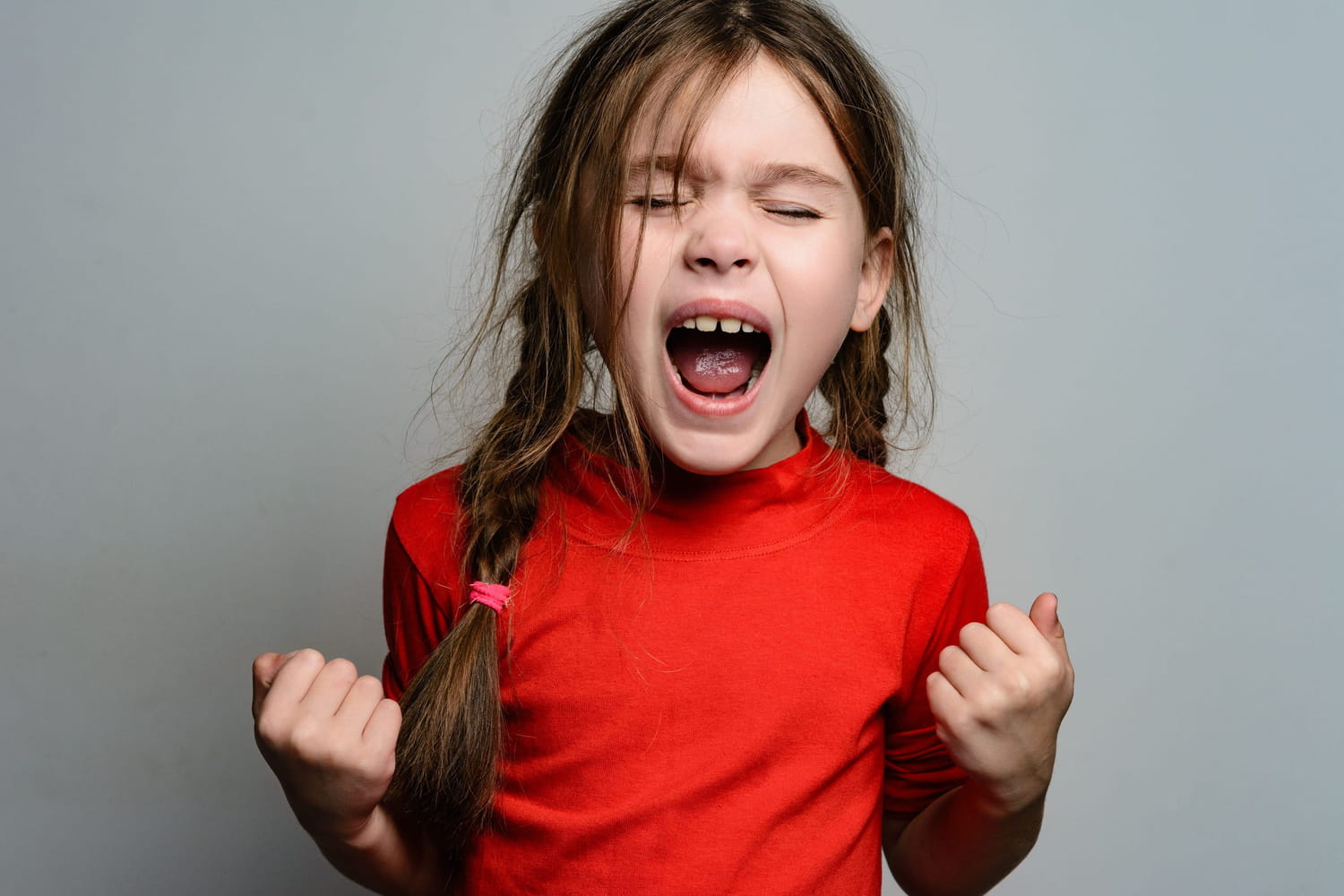
Before allowing yourself to be overwhelmed by sadness, it is essential to understand the inner storm that the child is going through at this precise moment. Because this verbal explosion reflects above all a total collapse of his rationality. Overwhelmed by a tidal wave of anger, immense disappointment or great frustration, the child loses all access to logic. Thus, these crude words are in no way a reflection of true disenchantment. They simply reflect his inability to channel emotions that are far too overwhelming for his small shoulders.
So, what do these difficult words really mean? According to Alison Roy, psychotherapist, this shocking sentence is paradoxically a sign of “good emotional health”. According to the expert, “I hate you“, would actually mean: “I feel out of control”, “You make all the decisions and I hate feeling helpless” or even “I wish I didn’t feel so uncomfortable.” Sometimes, it is a phenomenon of projection: the child, who struggles to love himself, pours out his own frustrations on the adult capable of supporting them. An observation shared by Brieanne Doyle, therapist, who specifies that “Behind the “I hate you” is a scared, frustrated and angry child, and he needs help to manage these feelings and learn to express them appropriately.“
Faced with such a crisis, the worst reaction would be to overdo it through argument or immediate punishment. Experts recommend first pausing to identify your own emotions as a parent, then focusing on the child. According to clinical psychologist Becky Kennedy, sometimes the best response is to say or do nothing, but to be present and listen. If the child is younger, she advises putting yourself at their level and gently validating their feelings to try to understand their anger. Whether it’s offering a comforting hug, sitting next to him or giving him some space if he persists in what he says, the main goal is to create a safe environment to contain this emotional outburst.
Once the storm has passed and calm has returned, the real work of education can begin. Now is the perfect time to address that anger and set healthy boundaries. Alison Roy recommends establishing ground rules for the future, explaining to the child that you understand their disappointment, but that there are other ways to express it. Brieanne Doyle also suggests apologizing for hurtful words spoken, remembering that at home, we don’t use language to cause harm.