





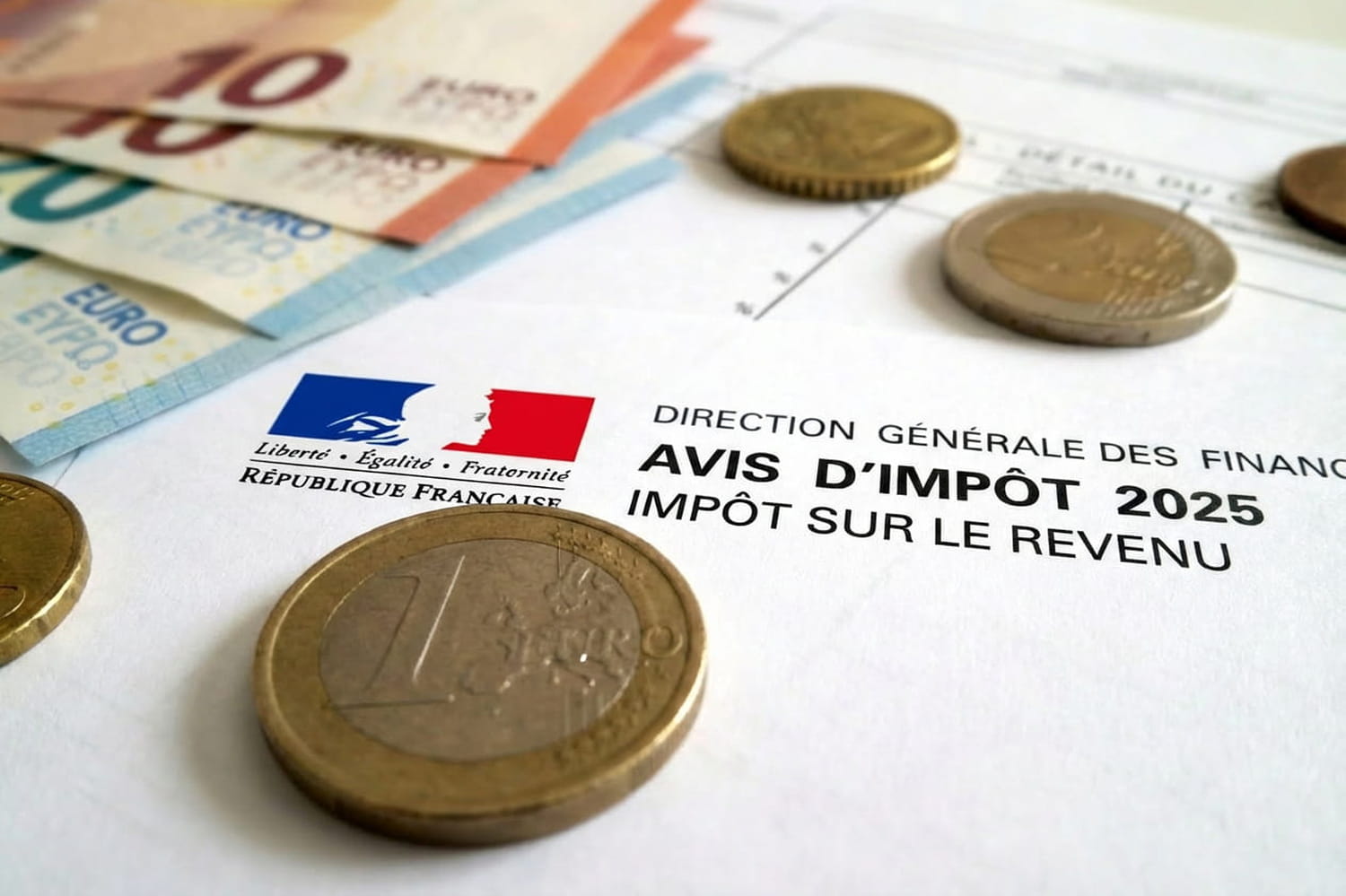
While each taxpayer knows the amount of their taxes, many are unaware of the exact distribution of this pot. From social protection to justice, this is how the State spends every euro you pay it.
In France, the question of money is particularly taboo. However, in the private, media or political sphere, a complaint comes up regularly: “We pay too much taxes”. Income tax, corporate tax, or even property tax… There are numerous compulsory deductions, to which are also added social security contributions. But after this endless debate, another recurring question arises among French taxpayers: but what exactly are our taxes for? We all know of course that tax money is redistributed among the various public services, but no one knows exactly in what proportions. What amounts are allocated to Social Security or Caf? To schools? Transportation? Infrastructure? To the police? Repaying the state debt?
This is also the question that recently caused a lot of ink to flow in the press, when Hélène Mercier-Arnault – wife of billionaire Bernard Arnault, 7th largest fortune in the world – declared on RTL : “Where does the money go? How is it spent? In hospitals, on roads, in education… There is never a way to really check where the money goes.” In reality, although it is difficult to control the distribution of taxes to public services on a day-to-day basis, there is clear information regarding their distribution by sector. The Ministry of the Economy indicates precisely where each euro of public money is redistributed, via an infographic available on its website.
The data is from INSEE, dating from 2023: thus, we learn that for 1,000 euros of taxes, more than half (56%) is allocated to social protection. In detail, 253 euros go to the retirement system, 201 euros to health, 40 euros to the family, 29 euros to unemployment, 13 euros to housing assistance, while the remaining 25 euros are allocated to other solidarity benefits. In total, this represents 561 euros.
Second priority for the State: education, which benefits from 88 euros, or 8.8% of taxes. 66 euros are then allocated to the functioning of public administrations, then 59 euros for support for economic activities, and 50 euros for transport and collective equipment. Next come the debt burden and defense (31 euros each), research (30 euros), culture and leisure (26 euros), security (25 euros), the environment (17 euros), and infrastructure (11 euros). Finally, the last item of expenditure is justice, which obtains 5 euros per 1,000 euros of taxes.
In total, via direct taxes, households contribute around 37% to public money. Companies contribute 30%, while 7% comes from public administrations and non-profit institutions. Indirect taxes in which everyone participates, such as VAT for example, represent the remaining 26% of public funds.
Thus, contrary to popular belief, the journey of public money is indeed well documented and accessible to all. These official data remind us that the overwhelming majority of our taxes are used above all to finance our social model, far ahead of sectors such as the environment or justice. A clear distribution which ultimately allows each taxpayer to understand, in a very concrete way, the usefulness of their compulsory deductions on a daily basis.