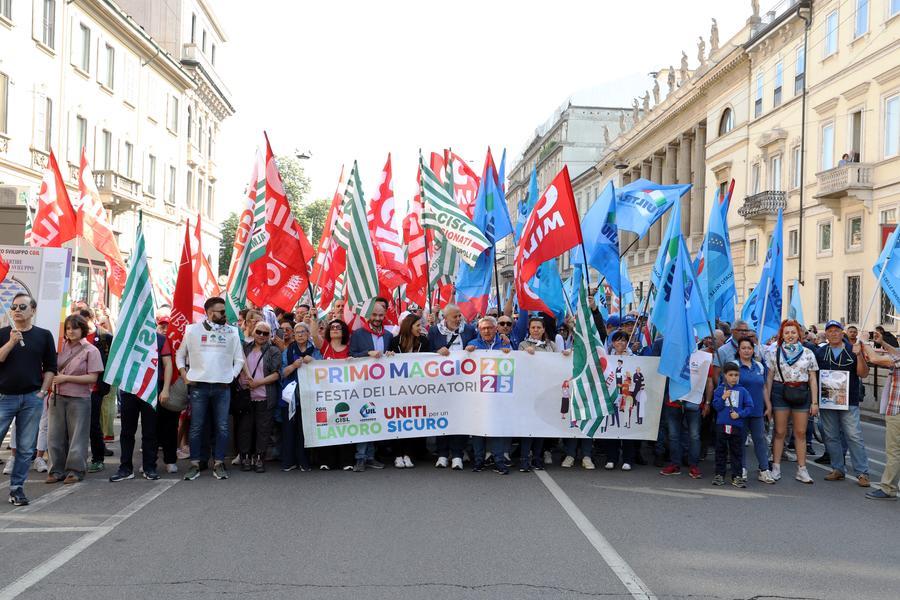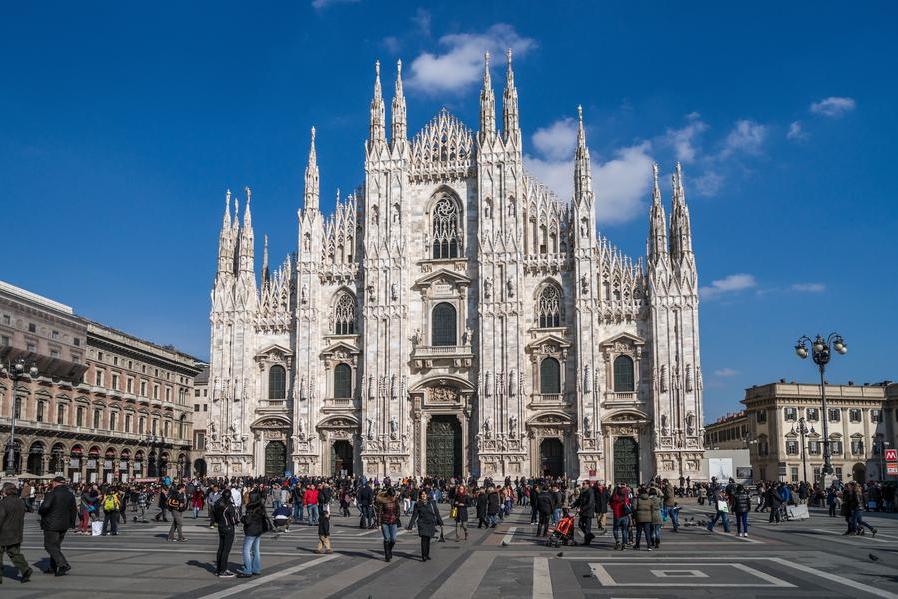


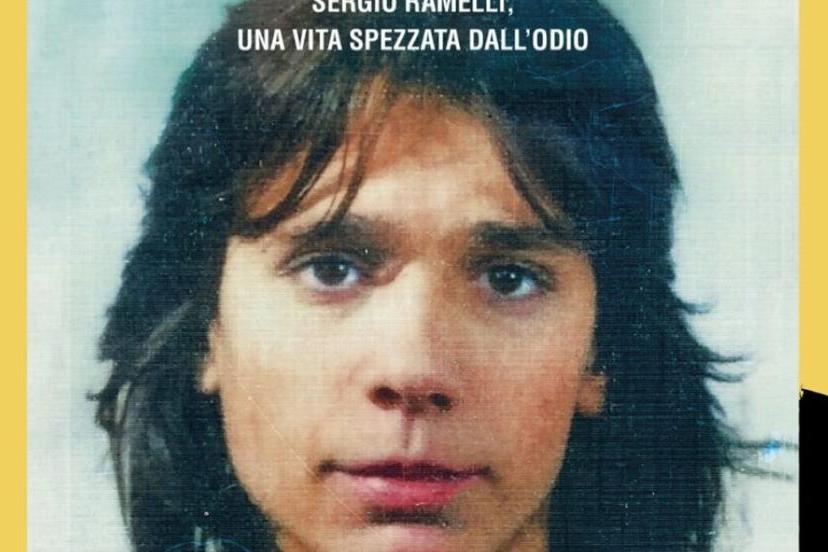



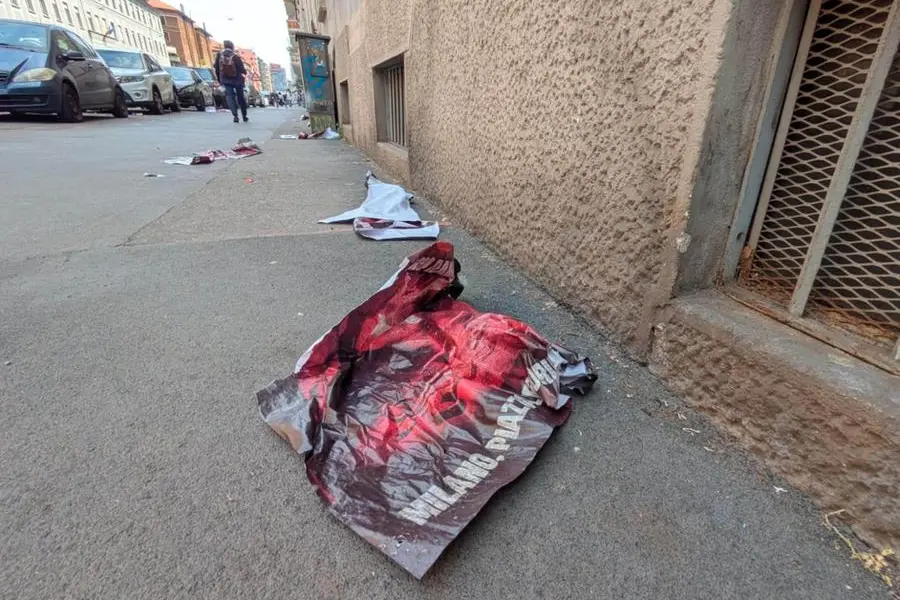
Every year the commemoration by right-wing extremists of the death of Sergio Ramelli has reignited a climate of tension in Milan. This year, however, political controversy was compounded by the attack of a thirty-three-year-old who during the night was tearing down posters announcing the march scheduled for the following day. A group arriving in a Golf apparently hit the man with kicks, punches and helmet blows, and then drove away. but who was Sergio Ramelli, and why is his death, even after 51 years, an occasion for even violent clashes?
Dying for ideas
After 45 days of agony, on 29 April 1975 Sergio Ramelli died in Milan, an 18-year-old student enrolled in the Youth Front and for this reason he had come under the radar of the left-wing extremists of Avanguardia Operaia, who had set up an ambush for him under his house in broad daylight, hitting him repeatedly with wrenches until they broke his skull. Only ten years later were those responsible identified and put on trial. Almost all former university students who in the meantime had abandoned the armed struggle had a family and a job. The final sentence came in 1987 and the defendants were almost all sentenced to prison terms.
The book by Giuseppe Culicchia
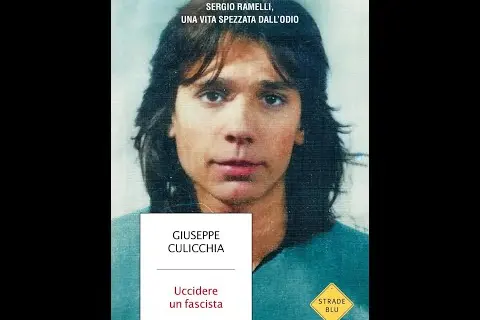
The writer Giuseppe Culicchia reconstructed this tragic and still divisive event in the volume, halfway between narrative and historical essay, Kill a fascist. A life broken by hate (Mondadori).
«I was 11 years old when, on 15 December 1976, another young man who was fighting on the opposite front, the Red Brigades, was killed: he was 20 years old, his name was Walter Alasia and he was my cousin», says Culicchia. «I remember coming back from school and finding my family in tears. News reports of Walter’s death portrayed him as a monster. For me he was just a boy older than me to whom I was very close, affectionate, generous.”
Terrible that they gave that image of him, even though he was guilty of the deaths of two men, fathers of families. If I started writing it was because I was animated by the desire to tell the story of the Walter I had known, and the pain of his mother, my aunt Ada. Then it took me forty years before I found the courage to write Time to live with you (Mondadori, 2021). And while reconstructing that historical period I came across many other stories, of young people inflamed by ideals that led them to commit terrible actions, but also simple victims, like Sergio Ramelli.
He was then transformed into a symbol, even today in right-wing demonstrations he is celebrated as a hero, but I was interested in understanding who he really was, his dreams, his passions, and how he ended up, despite himself, as a victim of what, all things considered, resembles martyrdom. Because Sergio Ramelli had not carried out any criminal action, he had never attacked anyone, he was killed only for his ideas by a commando of eight people, with a method that we could define as squad-based.
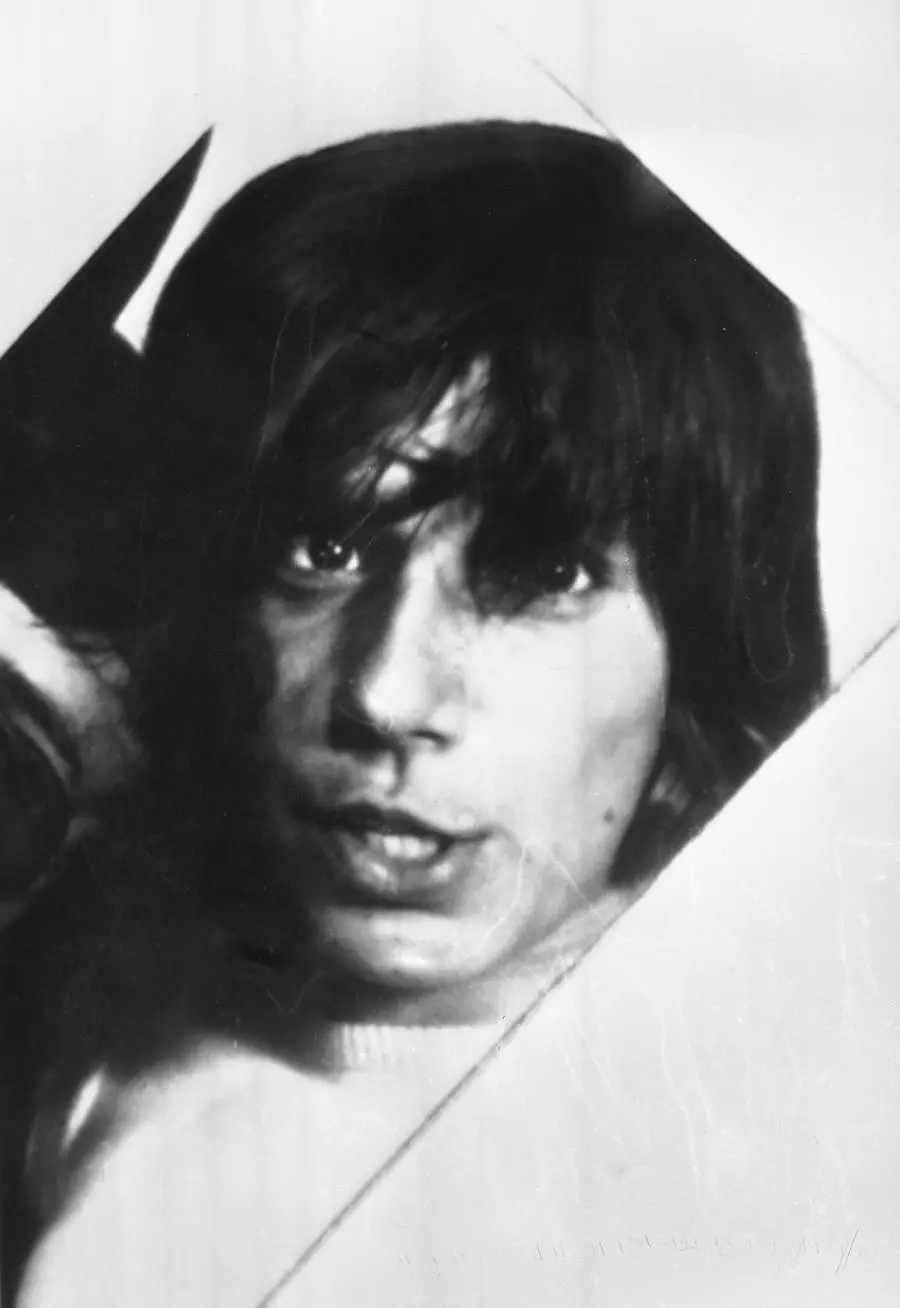
Sergio Ramelli, seen from the outside, could not have been distinguished from his other left-wing contemporaries: he wore long hair, rode a scooter, played football, had a girlfriend, loved music. He attended the Molinari Technical Institute for chemistry and then thought about enrolling in university. And he wasn’t afraid to express his ideas, even if they were different from those of almost all of his classmates and schoolmates. After all, only thirty years earlier, the Italian Republic, daughter of the Resistance, had been founded on the principle that everyone must be free to express their ideas. For this reason there was also a right-wing party in the parliamentary spectrum, the Italian Social Movement. AND Sergio wrote his ideas in an essay. From there a real persecution began: the topic ended up on the school noticeboard, he was branded as a “fascio”, and at the time one of the most shouted slogans in the streets was “the only good fascist is a dead fascist”. Then spitting, pushing, insults from the students, and almost absolute silence from the teachers: the climate became so unbearable that Sergio was forced to withdraw.
He was a member of the Youth Front, it’s true, but it was the youth movement of a party and his activity consisted at most of putting up leaflets. But by now he had entered the sights of a more dangerous game: that of those who thought they could start a revolution with wrenches.
In his book Giuseppe Culicchia focuses a lot on the pain of the family. «Sergio was still fighting between life and death in the hospital and threats were also received against his older brother Luigi and anonymous phone calls in which he felt alone as Red Flag. Threats that did not stop even after Sergio’s death. Luigi had to leave Milan, his father died at the age of 51 of a broken heart.
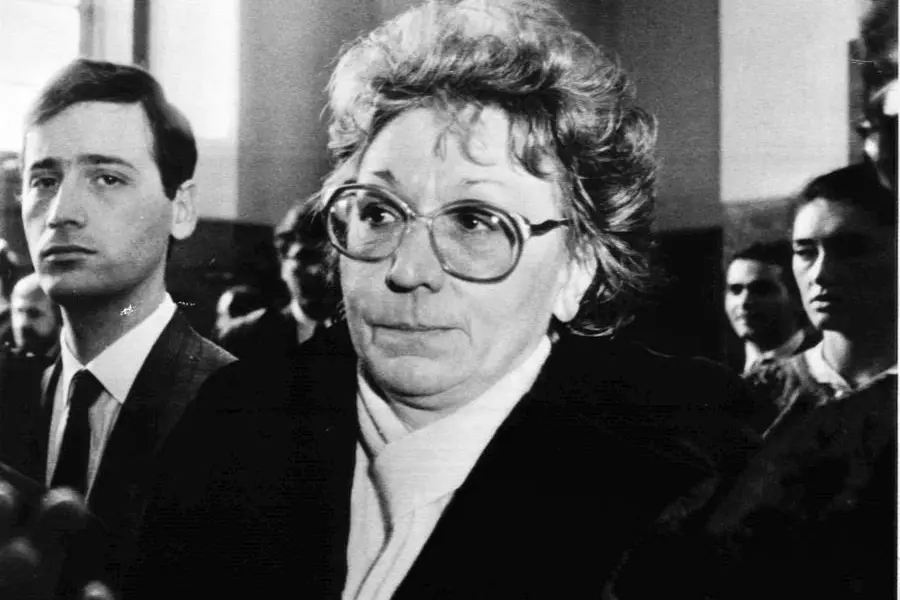
I was struck by the dignity of Sergio’s mother, who did not ask for revenge but only justiceand when the sentence came he said that it was fine, even though many said that ten years were short for a murder. And of this distant history, what remains valid most of all even today is that we must stop thinking that the political opponent is an enemy.”