




In Part 1: Understanding the gut-hormonoe connection in perimenopause, we looked at how the gut and hormones are locked in a two-way relationship – and how the estrobolome, your gut’s estrogen recycling system, can tip in either direction depending on where you are in the perimenopause journey. Understanding the mechanism is useful. But it’s only half the picture.
The habits that support gut health during this transition aren’t complicated, and most of them cost nothing. What matters is timing – because the right intervention at the wrong stage can be less effective than you’d hope. Here’s what the evidence supports, organized by phase.
What to actually do – by life stage:
The right approach shifts depending on where you are in the journey. Here’s what the evidence supports, organized by phase.
Before perimenopause: Build your foundation (30s – early 40s)
Gut microbial diversity starts declining around age 40 in line with hormonal changes. The stronger your ecosystem going in, the more buffer you have. Think of this phase as infrastructure investment.
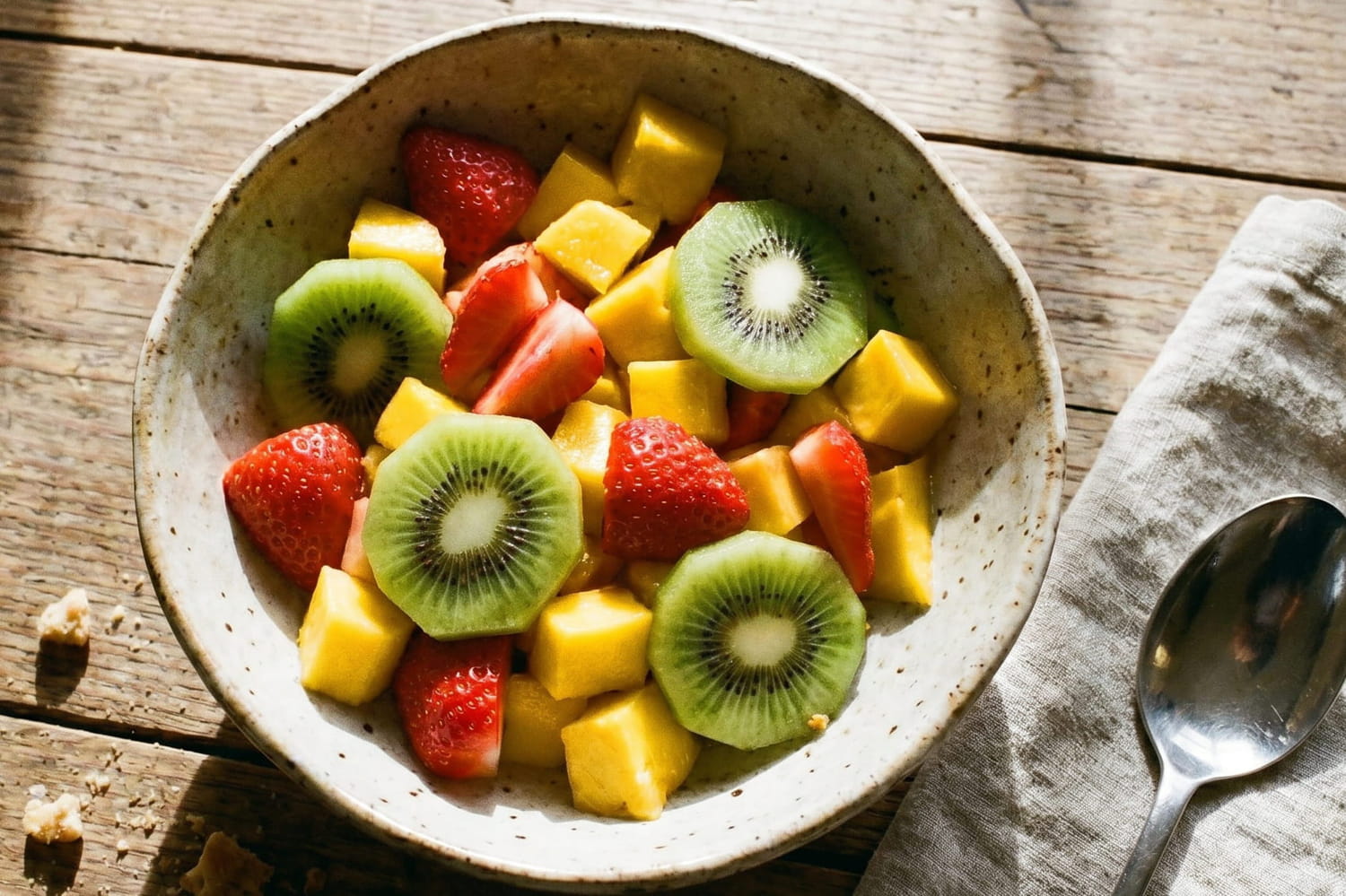
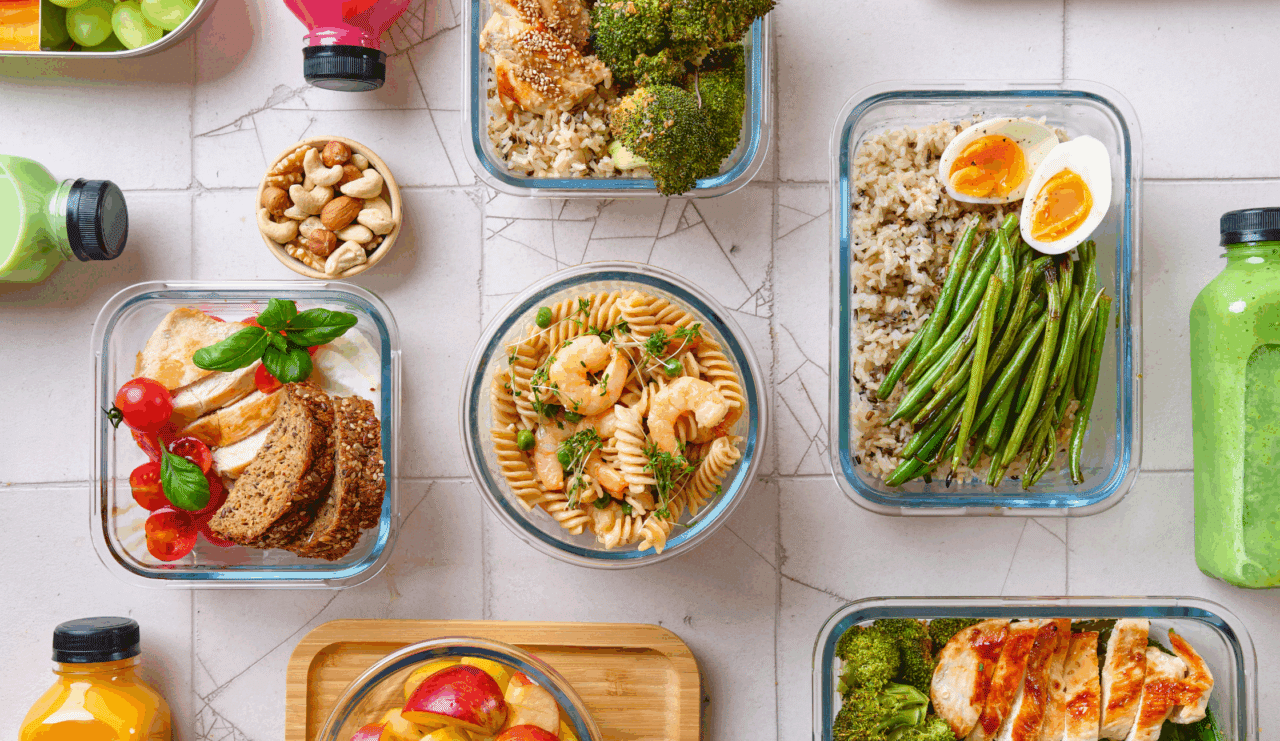
1. Aim for 30 different plant foods a week
Not 30 servings – 30 varieties. Different plants feed different microbes. Herbs, spices, seeds, frozen veg and vegetables all count. This single habit does more for microbiome diversity than almost anything else, and it’s far easier than it sounds once you start counting.
2. Start fermented foods now, not later
A Stanford trial found that increasing fermented food intake boosted microbiome diversity and lowered inflammatory markers more effectively than increasing fiber alone. One serving a day – yoghurt, kefir, kimchi, sauerkraut or miso – is enough to start. Build the habit before you need it most.
3. A tablespoon of ground flaxseed daily
Flaxseeds contain lignans – plant compounds that specifically bind excess estrogen and support its clearance. Ground (not whole, not oil – the fiber is what makes this work). Stir into yogurt, a smoothie, or porridge. Cheap, easy, underused.
4. Cut back on alcohol and ultra-processed foods
Both directly increase estrogen recirculation and disrupt gut bacteria. This doesn’t need to be all-or-nothing, but reducing both now builds a more resilient microbiome ahead of the hormonal changes to come.
During perimenopause: Support the transition (mid 40s – early 50s)
This is when the gut-hormone loop is most active. What you do here directly affects symptom severity – and the phase where most women see the most noticeable return from targeted gut habits.
1. Add phytoestrogens twice a day
Tofu, tempeh, edamame, chickpeas, and flaxseeds are rich in phytoestrogens – plant compounds (in particular isoflavones and lignans) that can loosely mimic estrogen in the body and therefore help fill the gap when your own estrogen levels start to drop. In one 12-week trial, a low-fat plant-based diet including daily soybeans was associated with around an 84% reduction in moderate-to-severe hot flashes. Two servings daily is a reasonable target – a handful of edamame at lunch, tofu at dinner, or chickpeas in a salad.
2. Oily fish three to four times a week
Omega-3s directly support the estrobolome and have been linked to larger brain volume in memory-related regions – which goes some way to explaining why they seem to help with brain fog. In an observational study of over 900 women, higher oily fish intake was associated with later natural menopause. Correlation, not causation – but the broader evidence for omega-3s and inflammation is strong enough to make this a solid habit either way.
3. If you supplement, choose the right probiotic strain
Generic multi-strain blends are largely a waste of money. For vaginal health and UTI recurrence: Lactobacillus acidophilus La-14 combined with Lactobacillus rhamnosus HN001 reduced recurrence by up to threefold vs placebo in clinical trials. For mood and stress resilience: Lactobacillus rhamnosus HN001 has the strongest evidence base. The strain is everything.
4. Treat constipation as a hormone problem
Rarely framed this way, but it matters: when estrogen metabolites can’t clear through the bowel, they get reabsorbed into circulation. Declining progesterone slows gut motility from early perimenopause. Magnesium-rich foods (spinach, pumpkin seeds) or a magnesium glycinate supplement can make a quiet but significant difference to regularity – and by extension, hormonal balance.
5. Aim for a 12-hour overnight eating gap
Finishing dinner by 7-8pm and having breakfast around 7-8am gives your gut a consistent rest period overnight. The gut has its own maintenance cycle during fasting, and avoiding late-night eating supports both digestion and metabolic hormones that become less responsive during perimenopause. The timing is more important than the calories.
6. Five minutes of diaphragmatic breathing before meals
Diaphragmatic breathing shifts the nervous system toward rest-and-digest, which may improve motility, reduce bloating, and lower gut sensitivity. Chronic stress keeps the body in fight-or-flight mode, which slows digestion and drives inflammation. Five minutes before lunch or dinner – box works breathing well – is enough to make a difference. Zero cost, high return.
Post-menopause: Play the long game (50s and beyond)
Gut diversity continues to decline without active maintenance. The estrobolome becomes your primary mechanism for managing whatever circulating estrogen remains. The habits that matter most at this stage are the ones you can sustain for years, not weeks.
1. Keep the fiber variety high – it’s also appetite regulation
When your gut microbes ferment various plant fiber, they trigger the release of GLP-1 – the same appetite-regulating hormone targeted by Ozempic and Mounjaro. More diversity means better satiety signals and lower ghrelin. This is one reason a higher fiber intake has been consistently linked to healthier weight independent of calorie intake. The target is variety, not just volume.
2. Prioritize strength training two to three times a week
Post-menopause, muscle loss accelerates – and less muscle means more inflammation, which in turn reduces gut microbial diversity. Resistance training supports both. Aim for 25g of protein per meal to maintain muscle mass and support gut lining repair. This is the most underrated gut health intervention for women in their 50s and beyond.
3. Don’t drop the fermented foods
Post-menopause, the estrobolome is your main estrogen regulator. Fermented foods remain the most evidence-backed way to maintain microbial diversity at this stage – more so than supplements. Rotate your sources (kefir, kimchi, miso, yogurt) for maximum benefit.
What if I’m on HRT?
Everything in this article still applies – and arguably matters more. Your gut processes supplemented estrogen the same way it processes your own. A disrupted microbiome may influence how estrogens are metabolized and cleared, which could affect both symptom control and side effects. Think of gut health as what helps HRT work as intended, not an alternative to it. The two are complementary.
A note on medical care
Gut health is not a replacement for proper menopause care. For severe hot flashes, significant sleep disruption, heavy bleeding, persistent low mood, recurrent UTIs, or unexplained weight change, speak to a GP or menopause-trained clinician. HRT, vaginal estrogen, thyroid function, vitamin D, B12, iron and glucose control can all be relevant – and worth ruling in or out before attributing everything to gut health.
For most women, hormone strategies focus on estrogen. But the gut is often the missing piece – the system that influences how effectively hormones are processed, how inflamed you are, and how resilient your metabolism and mood feel during the transition. The good news is twofold: these habits are surprisingly easy to fold into a normal day, and the gut is one of the most responsive systems in the body. Most women notice a real shift within weeks. You don’t need a complete overhaul – you just need to start.
Alexandre Sagakian @alexkpeakhealth
About the author
Alexandre Sagakian (@alexpeakhealth) is a London-based ISSA-certified nutrition coach specializing in gut health, longevity, and sports performance. He just launched an online course, Master Your Gut for Better Digestion, Immunity & Moodwhich covers the science and practical habits behind a healthier microbiome – from diet, sleep, stress, sports and supplements.