





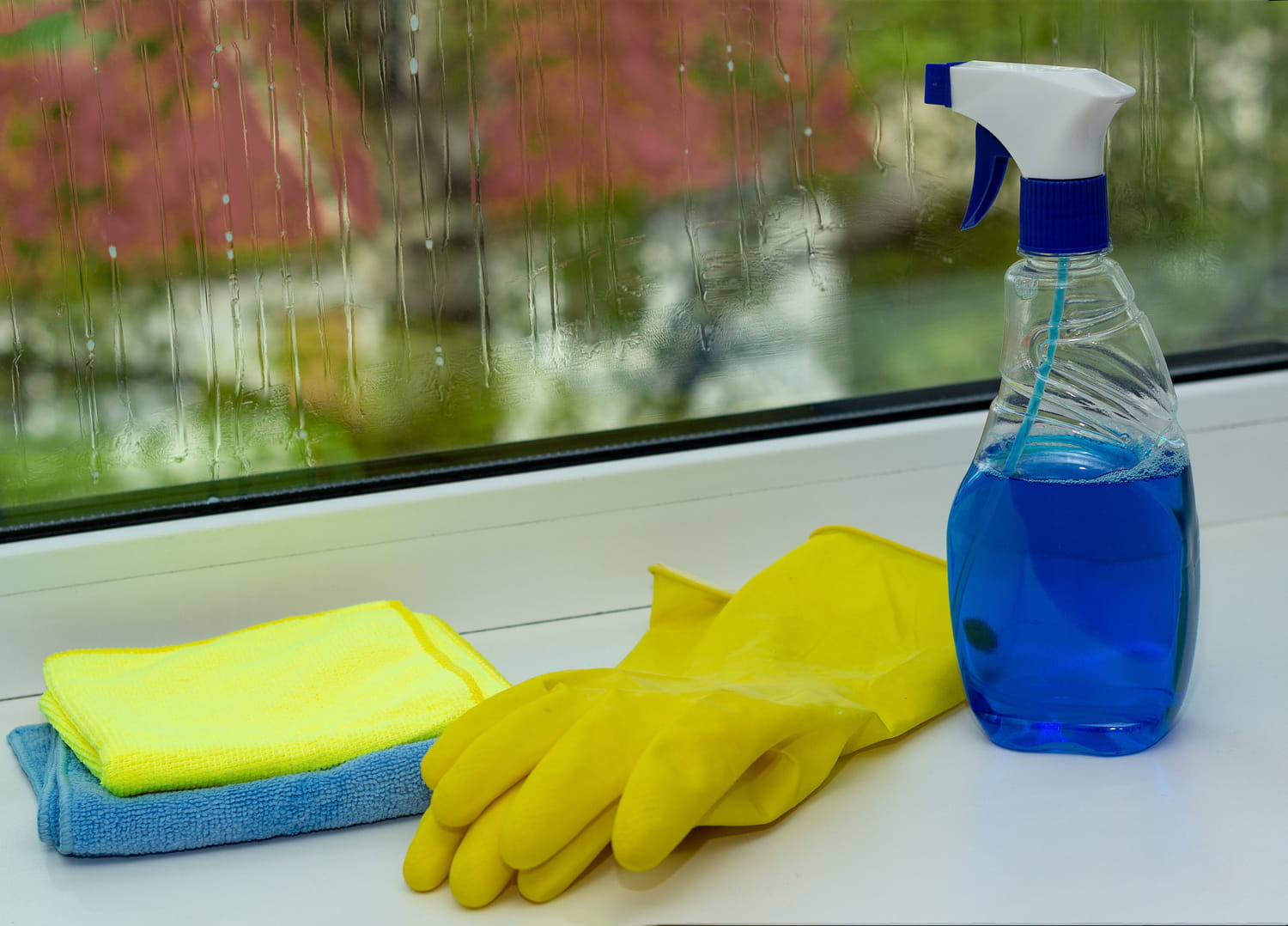
Too many microfiber cloths are not really microfiber cloths, and, with use, you realize that they do not catch anything… To no longer have the impression of being wronged, here is the thing to check absolutely before buying.
In general, we all have the same reflex when we go shopping: grab a set of colorful microfiber cloths, convinced that we have found the ultimate weapon against dust, fingerprints or greasy residue. But once we get home, it’s a cold shower. The cloth slides without wiping anything, leaving streaks of water or, worse, lint on the windows. Rest assured, the problem does not come from your help, but from the product itself. The majority of low-cost microfibers sold in supermarkets are of absolutely no use.
To avoid throwing your money down the drain, there is a foolproof thing to do before even wetting your cloth: the light test. It allows you to check fiber density in the blink of an eye. Simply hold the fabric up to a window or lamp. If it is effective: you should hardly see daylight slip through it. Dense fabric holds dirt much better, absorbs water like a sponge and lasts for years. Otherwise, you will see clearly through the mesh. The cloth is then too thin, it will fray at the first wash and will simply move the dust instead of capturing it.
But the real secret to successful cleaning is in the fine print, right there on the label or package. We tend to ignore it, even though it is the only indicator of its true absorption quality. To avoid being fooled again, remember the ideal composition: look for a 70% polyester/30% polyamide blend, at least. Polyester scrapes and loosens grease, while polyamide absorbs water and traps dirt. If you read 100% polyester, run away! The cloth will be completely waterproof.
The next time you replenish your stock for the big cleaning, return the package. This little reflex of a few seconds will save you a lot of frustration and will make your interior impeccable with almost no effort!