



Dear reader friends, talk about end of life today – specifically, of euthanasia and supposed “right to choose to die” – is very complicated. We find ourselves faced with strong ideological positions (especially pro-euthanasia) and those who try, as the Church does, to assert other, higher and less immediate reasons, are looked at with suspicion and mostly accused of being retrograde.
A recent event and a film released in cinemas a few weeks ago are therefore all the more thought-provoking. The recent event: the very secular France, which has long been heatedly arguing for an “extreme” law on the end of life, rejects the law which provided for the right to die with the help of doctors and instead approves the law on palliative care (vote on January 29th).
There is evidently a fear of a sort of leap in the dark with excessive “openness”, even on the part of civil society, if Le Mondea very secular newspaper, gives space to an intervention by doctors and jurists critical of the pro-euthanasia law wanted by President Macron. Overall, a reasonable exercise of doubt and careful weighing of the issues at stake.
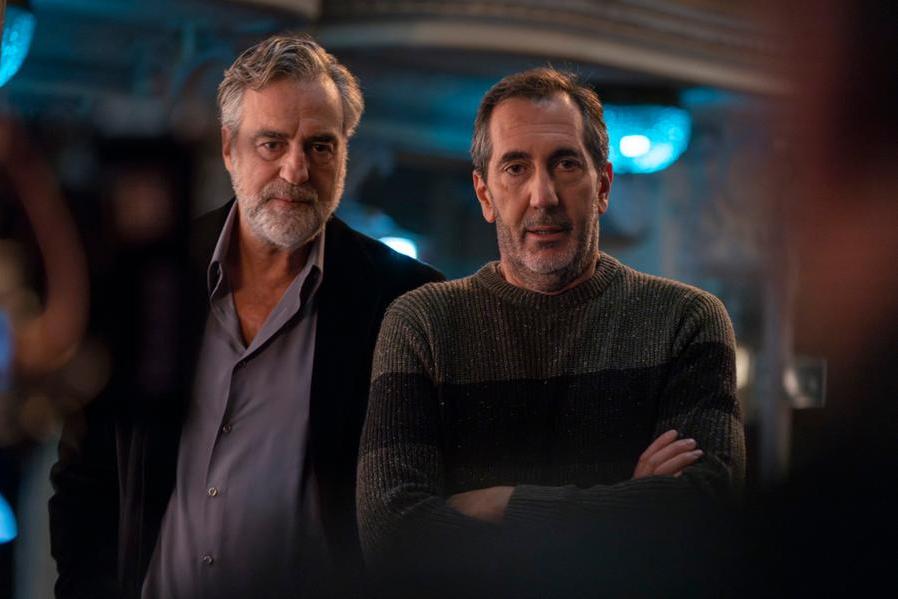
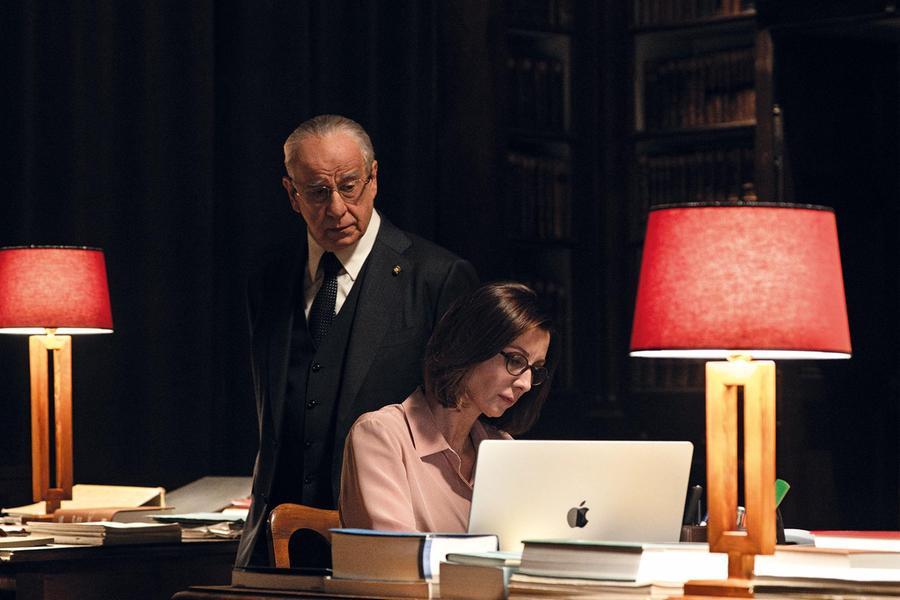
In contrast, the recent film Grace by Paolo Sorrentino, which also has doubt and its role in the search for truth as its central theme, presents the two opposing positions – pro-euthanasia and against – in a not entirely satisfactory way. The pro-euthanasia reasons, which the director evidently favors, are presented with a wealth of arguments and emotional involvement.
The protagonist of the film, the imaginary President of the Republic Mariano De Santis, a staunch Catholic (so much so that he was nicknamed “Reinforced concrete”), follows a tormented journey, allowing himself to be crossed by doubt, to finally arrive at the decision to sign the law in favor of euthanasia.
But the reasons of the other side – see the president’s meeting with the Pope for advice – are represented in an evanescent way, limited to the folkloristic papal figure and to a torment of conscience relegated to private matters. As if Catholics didn’t have other equally worthy arguments.
On this level the film, although very beautiful in its images and in the construction of a figure tormented by doubt, is a bit disappointing. For example, the issue of palliative carewhich represent the believer’s response to the issue of the end of life.
As Graziano Onder, director of a Master’s program at the Catholic University of Rome, recalled, they «they don’t just deal with pain, but with the person as a whole»: taking care of pain, but also of psychological, social and relational needs, respecting the person’s desires and values.
Of course, one can argue that the task of a film is not to argue for solutions, but to ask questions. However, even the emotional rhetoric risks obscuring other reasons or relegating them far from real life.
In collaboration with Credere
Credere, the magazine for living the “adventure of faith”
BELIEVE is the magazine that offers you stories, characters and columns every week to inspire faith in everyday life. Already chosen as the “Official Magazine of the Jubilee of Mercy”, it is a newspaper rich in content for the spirit, with many testimonies of famous people and ordinary people and the gestures and words of the Pope, closer than ever.
Discover the magazine and subscribe »