





Young people are the first victims of unemployment, including graduates. The fault is a new kind of competition, which closes their gateway to working life before it has even opened.
Entering the job market for the first time is never an easy step. It’s the end of student carelessness, and the big leap towards the adult world. If this transition can be brutal, the shock is all the greater when this transition is difficult to make. Indeed, in recent years, young people have been finding it increasingly difficult to convince recruiters and land their first job… even with a fresh diploma in their pocket.
In 2024, according to INSEE, nearly one in five young people were unemployed. A rate significantly higher than that of the rest of the population. And if the proportion of job seekers is higher among those with fewer qualifications, those leaving higher education are also facing an early career crisis: the latest report from the Conference of Grandes Écoles shows that “the share of graduates in professional activity is decreasing sharply”. A few months after the end of their course, nearly 17% of students in the class of 2024 were looking for work. A year earlier, there were only 12%. And unfortunately, the hiring outlook doesn’t seem to be improving any time soon.
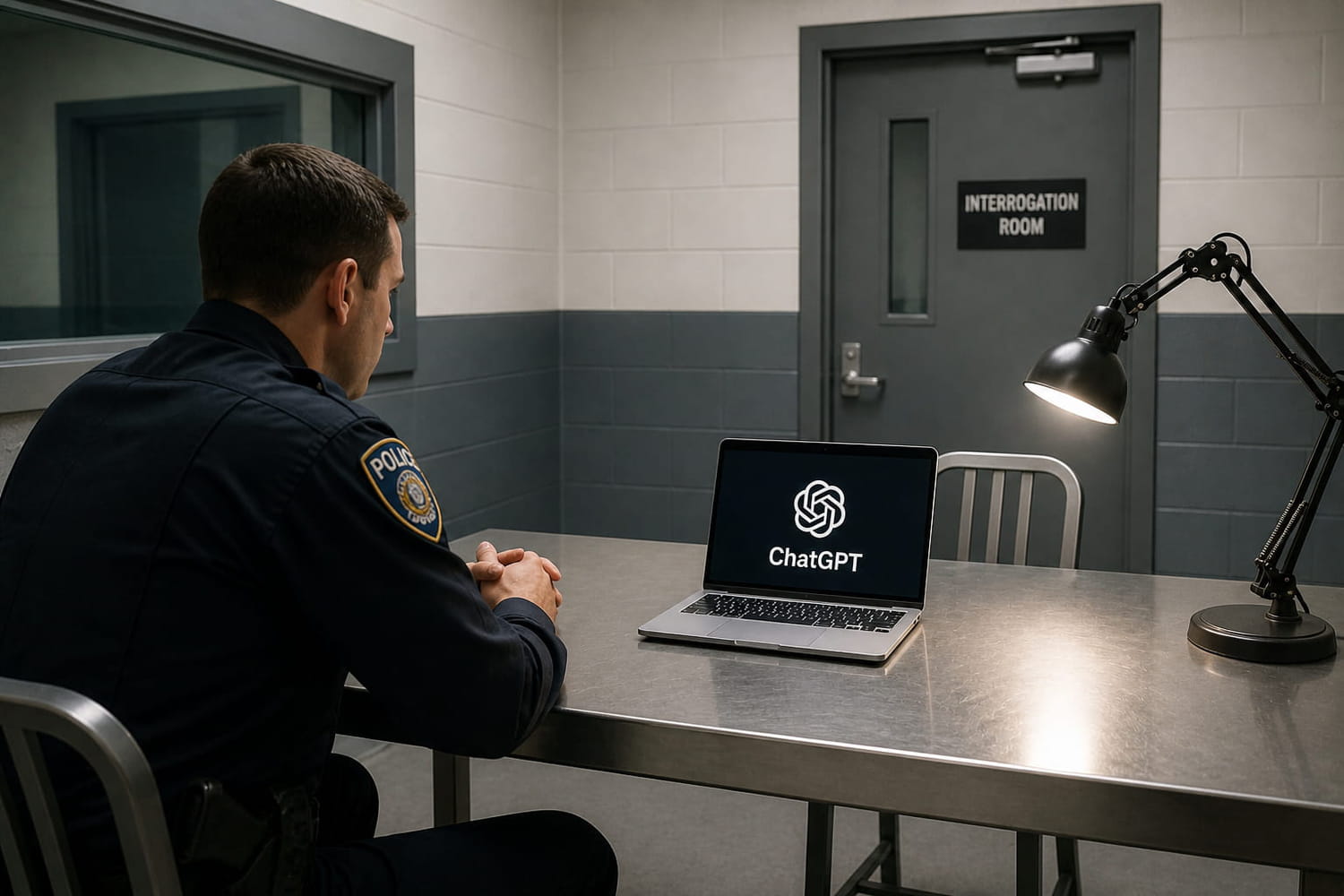
This is due to a major turning point in the skills required. Of course, since the creation of ChatGPT and its main competitors four years ago, everyone has understood that this technological revolution was going to impact our daily lives in many ways. And obviously, the world of work is not spared. However, it seems that the year 2026 will further accentuate these changes linked to the rise of artificial intelligence. On the professional social network LinkedIn, several experts are sounding the alarm: AI is already disrupting the start of the careers of young graduates, especially in highly exposed professions such as developers, account managers or even accountants for example.
The problem is that senior employees “boost their productivity by delegating basic tasks to artificial intelligence. Young people therefore have “fewer opportunities to train on simple missions”who until now represented their “launching pad” towards professional life. The goal is therefore to overcome trivial tasks that AI is capable of carrying out much more quickly than any young worker just starting out. In addition, “junior” profiles have another disadvantage: although they are the main users of AI in a private setting, their lack of experience in the profession makes them less equipped to “check the reliability of an answer”.
Specialists are unanimous, the solution for young graduates is to make mastery of AI a rare skill, and a real plus on their CV. If ChatGPT, Gemini, Claude, Perplexity and all their equivalents have already surpassed us in performing simple tasks, they necessarily need a driver. Experts therefore call on young people entering the job market to “reposition immediately” to avoid becoming victims of artificial intelligence.