
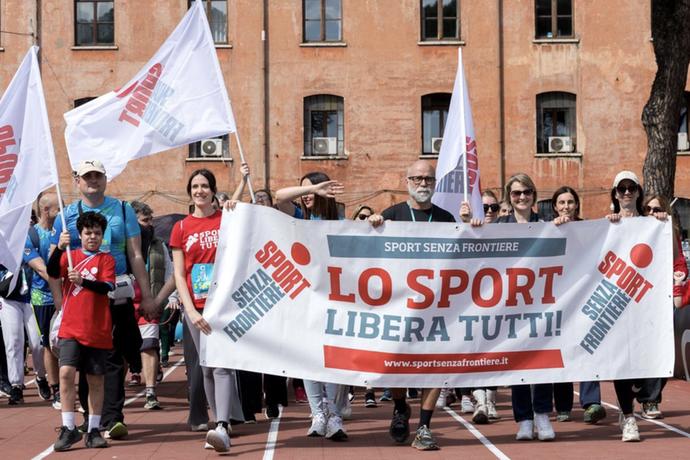


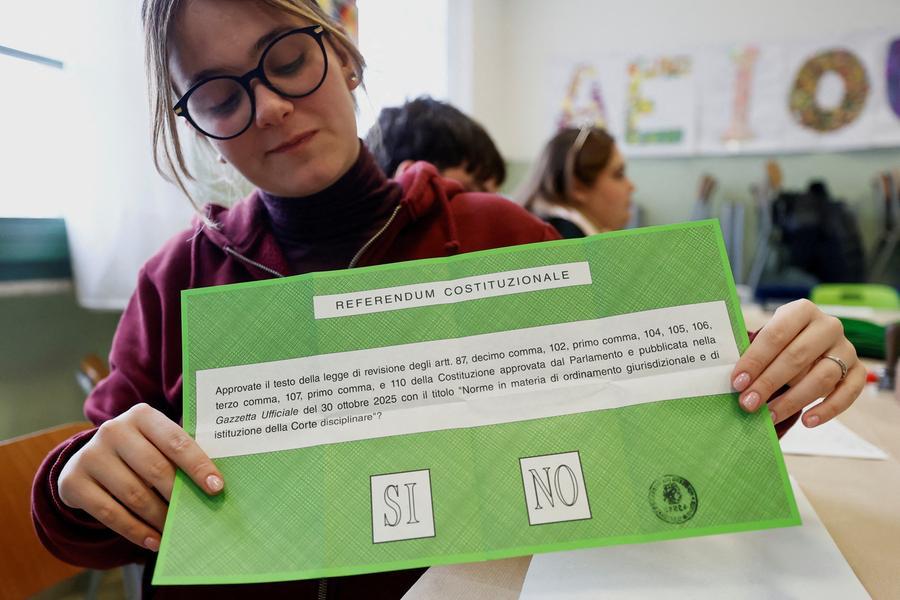
Young people and associations. A winning mix that undermined the constitutional reform desired by the Government. Above all, they were there, the young people involved in secular and religious associations, to wait for the results in the headquarters of Libera, in Rome, where the No Committee set up by the ANM (National Association of Magistrates) had met, and at the Frentani Auditorium, where the Civil Society Committee for No meeting chaired by Giovanni Bachelet met.
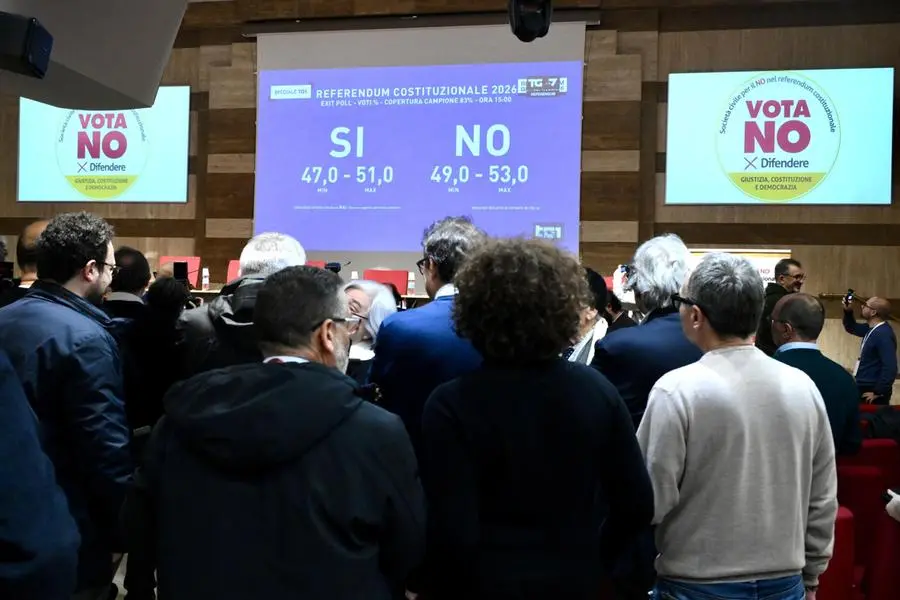
Transversal to the parties, indeed in many cases non-partisan, the young people – decisive as the data say for the victory of the no vote in the referendum – spent themselves above all on understanding and discussing. AND if the majority of the large ecclesial associations, consistent with the conciliar dictate, did not give any indication of voting to their members, they nevertheless contributed to promoting that knowledge indispensable for understanding what was at stake. Catholic Action, in particular, with the university students of the Fuci and with the Meic (Ecclesial Movement of Cultural Commitment) promoted webinars and moments of in-depth analysis on the topic, far from television brawls and exploitation. In compliance with the religious choice, wanted by Vittorio Bachelet, president of the Aci, who was assassinated by the Red Brigades when he was vice-president of the Superior Council of the Judiciary, Catholic Action has spent itself on training and information.
A bottom-up, widespread job. «The referendum occasion», wrote the president of Catholic Action, Giuseppe Notarstefano, in a letter addressed to members, «can be an opportunity to offer our association as a place of study and dialogue for everyone, an alternative to the violence of shouted debates or solitary invectives that unfortunately we often record in the media. Precisely for this reason we encourage the association at all levels to promote opportunities for study and debate, involving experts but above all citizens, moments that can encourage and support participation in a delicate and crucial passage for republican life”.
Expressing the “discomfort and our profound regret in verifying how a matter that concerns the founding pact, which describes the common rules, returns to being an opportunity for division and conflict rather than an opportunity for dialogue and meeting for the different political options in the constructive spirit that instead characterized the drafting of the Constitutional Charter», Catholic Action worked to encourage participation and stimulate discussion on what, as the young people present at the two committees underlined, «is our common home».
They were also there waiting for the result of the referendum young scouts, belonging to Libera, to Sant’Egidio, but also young Ciellini who contested the presidency’s yes position which was not discussed with the base and was almost imposed. Without claiming their ecclesial belonging, but instead explaining that they all felt like citizens, the young people met on webinars, in the parish, in schools. They asked university professors, magistrates and legal scholars for explanations. Held together by a common thread that linked the need to participate and put the defense of the constitutional architecture and the separation of powers at the centre.
Many remembered the words of the president of the Italian Episcopal Conference, Cardinal Matteo Zuppi, who recalled the duty of participation as an “expression of the common good”.
With the polls now closed and the results arrived, beyond the numerical data, there remains the testimony of a Catholic associationism which, especially in its younger age group, it has chosen to get involved, to participate, to inform itself using proximity, face-to-face debate, direct confrontation. A generation that does not like slogans and exploitation and that, in the words of Aggiornamenti sociali, the Jesuit magazine, with the “no” it gave “an indication of a crucial method: important reforms are not imposed, but are built through dialogue and discussion. This vote reminded us that the Constitution is not a distant text, but a living reality, which asks to be defended not out of conservatism, but out of responsibility.”