



A girl cries bitterly. She is sitting in the pews of the cathedral, her face buried in her hands, her body shaken by sobs that don’t try to be held back. She is a student, a companion of Giovanni Tamburi, who died in the New Year’s Eve fire in Crans-Montana. From that day, at the funeral, in the pews, at home: this pain is not a private, family matter, it is exposed, shared, collective. It is the pain of a wounded generation, which suddenly discovers how life can break without warning.
The shared pain of a generation
«When I looked into their eyes, I saw kids who didn’t know where to look», says Don Vincenzo Passarelli, religion teacher at Righi High School for twenty-one years. «They weren’t just the eyes of someone mourning a dead friend. They were lost eyes, eyes that asked for a raft to cling to.” Giovanni had been his student for two years. Sixteen years old, brilliant student, lively presence. «He was a nice guy, really. Awake, profound. When he intervened, his words were never taken for granted: they moved the lesson forward.” A polite boy “in the truest sense of the term”, smiling, capable of relationships. “You could see that people loved him, and he reciprocated that love.”
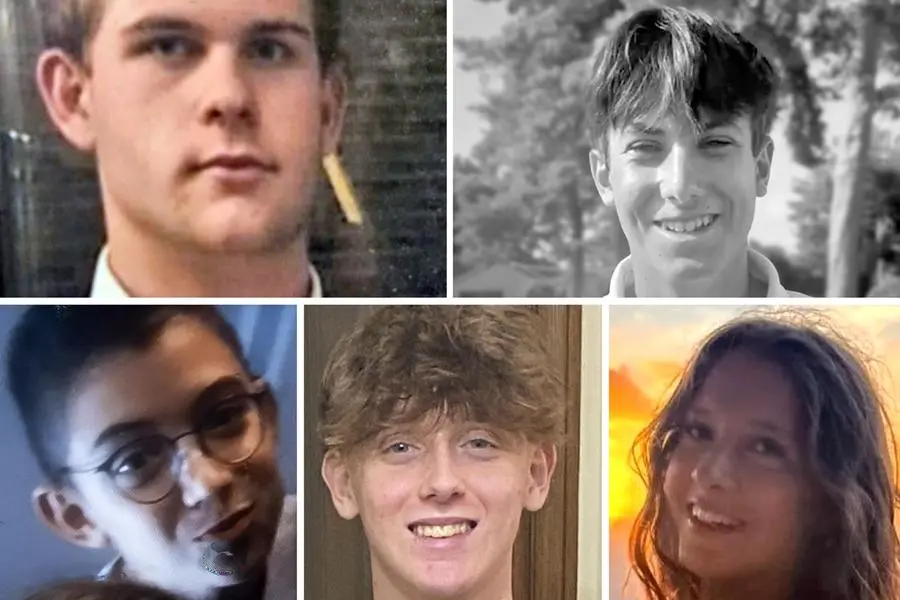
From tragedy to prayer
After the Crans-Montana tragedy, the community did not choose scattered silence, but pause. Prayer. «The idea of making a rosary together came naturally», explains Don Vincenzo. «In the midst of the anguish we asked ourselves: what can we do? Praying means giving space to the desire of the heart, which needs something bigger than us». At the vigil we thought there would be a few dozen of us with the family: five hundred, maybe six hundred, people arrived. More than half are young. «In a secularized city like Bologna, this is a very strong sign», he says. «Nobody forced them. If they came it was because they were looking for something».
The need for presence
Presence, not explanations. They looked for faces, hands, bodies next to theirs. «We live in a world of hyper-solitude. Kids have a physical need to be together, to look at each other.” Giovanni’s death is “a bomb that exploded before the eyes of young people”. The anger is there, Don Vincenzo admits, but it doesn’t console. “It doesn’t change the fact that these kids are no longer here.”
Going through the pain
Processing a drama like this doesn’t mean removing it quickly. “The risk today is to anesthetize the pain, but it must be overcome.” Faith, in this crossing, does not erase the wound. «The pain remains. But it changes flavor.” He saw it in Giovanni’s family, especially in his grandmothers and mother. «He said: I know that he is in heaven, that death is a passage. It was a fragile faith perhaps, but true.”
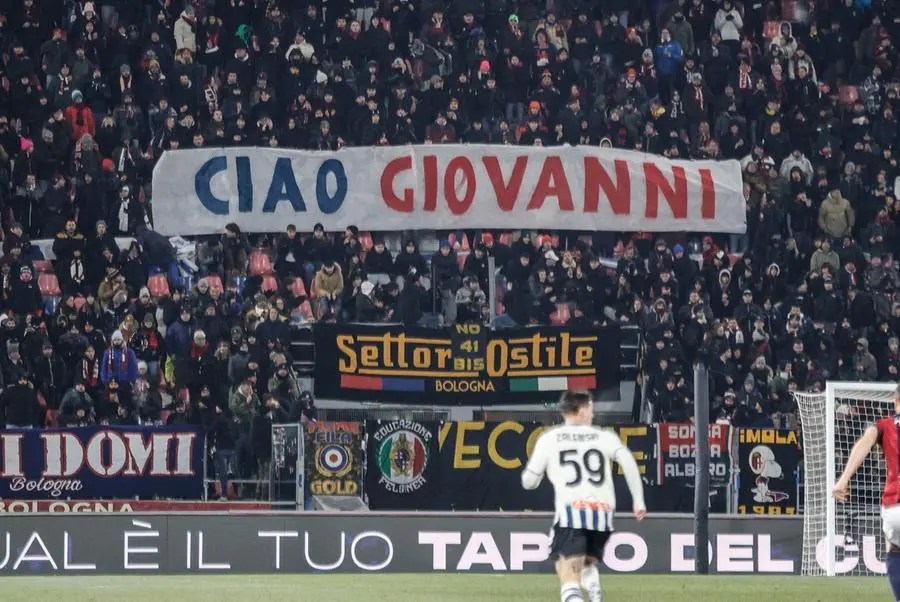
The role of adults
At the center remains an adult responsibility. «Our society does not need teachers, but witnesses», says Don Vincenzo, quoting Paul VI. «Of real adults, who get involved». It is to them that the kids look, even without saying it, when the ground beneath their feet gives way and certainties crumble all together.
A silent river towards the cathedral
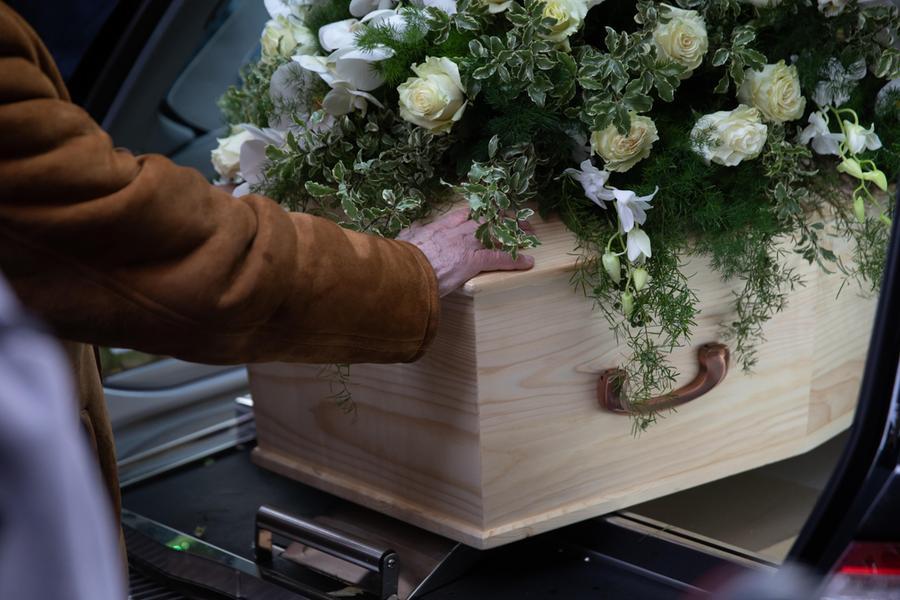
On the morning of the funeral, only the first two hours are spent at Righi, only one for Don Vincenzo. Then the school closes and the students walk towards the cathedral. Hundreds. “From the presbytery it was impressive,” he recalls. A silent river of boys, backpacks on their shoulders and eyes lowered, which transforms mourning into a journey. Giovanni, once again, was there. Present. In the inconsolable crying of that girl. And in the gaze of those who had the courage to stop, reflect and pray.