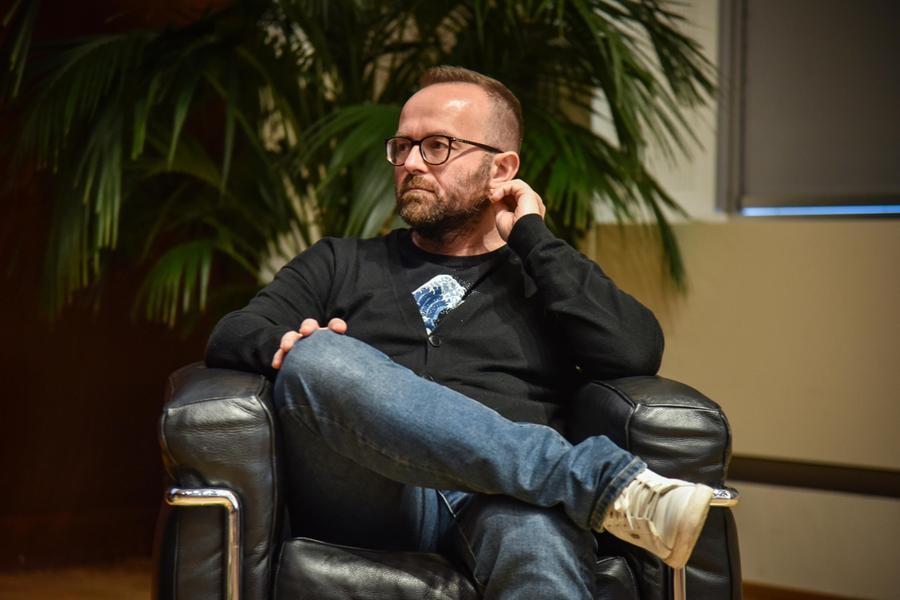





A country that is aging rapidly, where the family network is thinning and regional inequalities weigh like boulders on the health of the weakest. To understand what is happening and what the possible solutions are, we met Asya Bellia, the researcher protagonist of our interview today. Author of a survey that takes a raw and necessary snapshot of the elderly in Italy, Bellia guides us beyond the numbers, revealing the stories of fragility and the limits of a system that too often places the burden of care on the shoulders of individuals.
The data from his research describe an Italy that is the oldest country in Europe. Behind these percentages there are life stories. Why does it seem that getting older is scarier today than in the past? Is it just a question of numbers or has the network that once supported the elderly disappeared?
«People who are aging belong to the baby boomer generation. In Italy we have a practically inverted age pyramid: the support network is missing because there is a lack of young people. The base is narrower than the apex occupied by the elderly.”
From your survey, a piece of data emerges that questions the national conscience: an Italian living alone in the South is three times more likely to be fragile than someone living with a partner in the North. What are the causes of this two-speed healthcare system that penalizes the weakest?
«The causes lie in the fact that healthcare is an area of regional competence, therefore each Region establishes its own standards. Where resources are lacking, as can happen in the South, people are left behind and remain in fragile conditions. Certainly, having a partner or spouse causes that partner—often also elderly and frail—to take on the responsibility of caregiving. However, this involves a whole series of difficulties.”
There’s also a question of physical limitations for the caregiver, right?
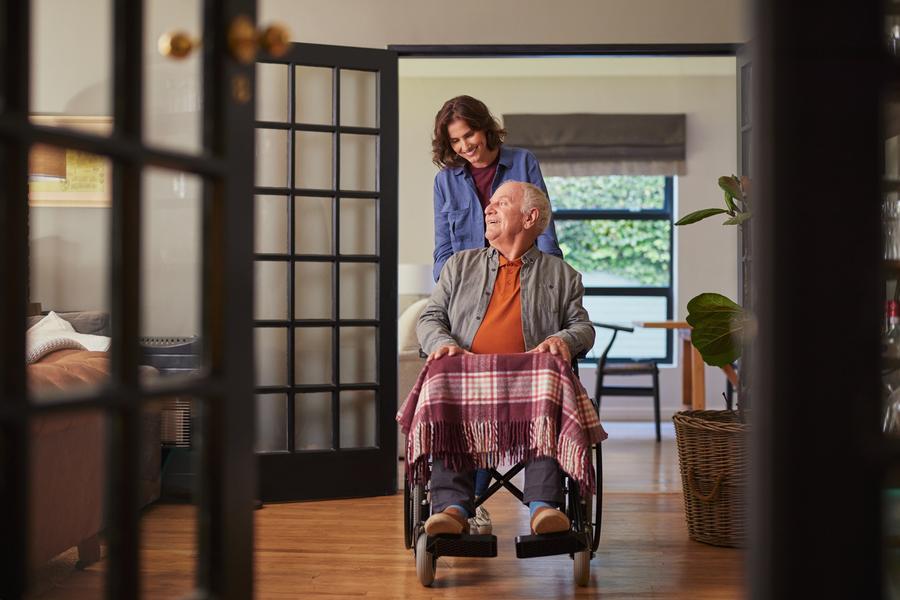
“Yes. The activities in which there is the greatest request for assistance are home care and self-care (personal hygiene, going to the bathroom, getting up and going to bed). When mobility problems arise and the person needs to be lifted or dressed, strength is needed that an elderly partner may no longer have at a certain point.”
Over half of the frail over 70s receive neither assistance nor accompanying allowances. Who actually takes care of them today? Are we delegating everything to families or carers?
«In concrete terms, the issue falls on family members, such as children, and on a series of often migrant assistants who carry out these jobs. It is an essential job, but paid very little and therefore not very desirable from that point of view.”
How can we support families so that care isn’t just an unsustainable sacrifice for children and wives?
«In an aging Italy, from my point of view, there should be more public funds dedicated to long-term care. Today the disability allowance is around 500 euros, an insufficient amount. In our research we classify as “fragile” a person who has difficulty in four activities of daily life; It’s a very high threshold. In an ideal world, we should start with care already from the “pre-fragile”, that is, people who have some difficulties but are not yet classified as disabled and do not have accompaniment. If the support starts earlier, it prevents: if a person receives help in some activities, for example, they are prevented from falling and breaking their leg in an attempt to do it on their own.”
You talk about personalizing treatments and strengthening prevention from a subsidiarity perspective. How can institutions, private social organizations and communities collaborate to create a model that is not just the provision of money, but human closeness?
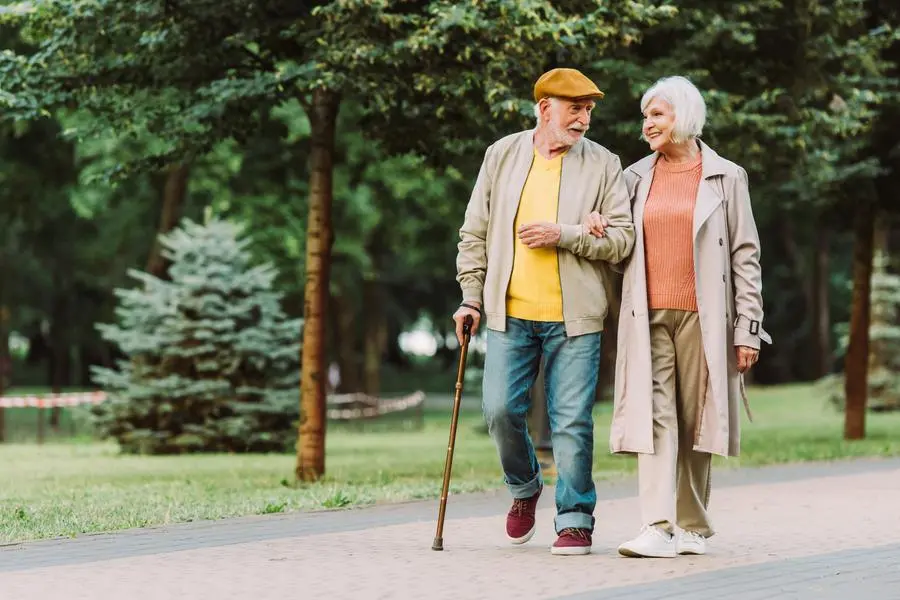
«The idea is that of the so-called aging in place: elderly people want to live in their own community, frequenting the usual places such as the parish, shops, friends. The key to personalizing the intervention is to ensure that the caregiver does it at the times and in the ways that meet the needs of the elderly person. In this way, despite fragility, the person can cultivate human relationships. If those who assist are open to listening and respecting, an exchange is created that goes beyond simple assistance.”
If you were to launch an appeal to politics and to the young generations – considering that in 2050 one in five Italians will be over 75 – what would be the absolute priority to make Italy a country suitable for the elderly?
«Considering that mobility problems are the most impactful, I would place the emphasis on the accessibility of public and private environments, but above all of homes. Often you buy a home without thinking about the future because you are comfortable, only to find yourself “stuck” in a house with two flights of stairs that you can no longer go up or down. This would be one of the fundamental priorities.”