






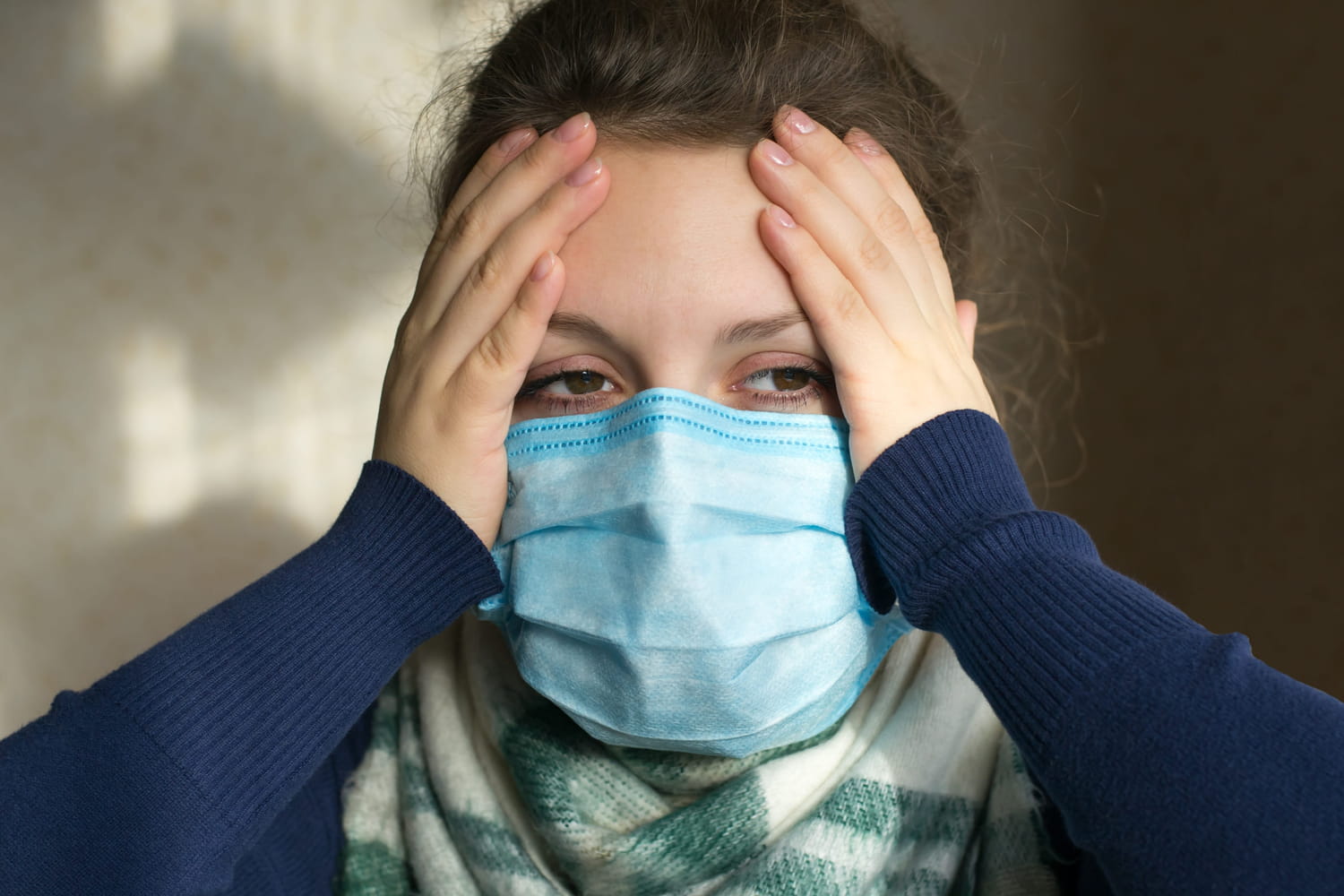
Since its spread on a cruise ship in spring 2026, this virus has caused concern around the world. The essential thing to know.
Several passengers of a Dutch cruise ship, the MV Hondius, who left Ushuaia in Argentina on April 1, 2026 for a cruise in Antarctica, fell ill. Three died. In question: the Andes virus, a variant of hantavirus confirmed by the Dutch authorities on May 6. She can, very rarely, transmitted from human to human during very close contact. Psychosis grows around an epidemic since the passengers from all over the world will gradually be “released” in their countries of origin. What is hantavirus? What symptoms? How is it transmitted? What are the treatments? Explanations.
What is a hantavirus?
Hantaviruses are viruses of the family of Bunyaviridae, present on all continents including Europe. They can be transmitted by rodents (certain species of rats or mice) to humans and cause serious illnesses such as pulmonary syndrome or hemorrhagic fever with renal syndrome. The risk of being infected with hantavirus is very low in Francebut still possible.
Symptoms of contamination
When they affect humans, hantaviruses can be responsible for infections of varying severity, sometimes fatal. At the initial stage, the infected person may feel cough, fever, chills, myalgia (muscle pain), headache, nausea, vomiting, shortness of breath, rapid heartbeat or intestinal disturbances (stomach ache). Then, this can evolve into severe breathing difficulties, rapid lung damage with respiratory and cardiac distress.
Hantaviruses are pathogens that infect certain species of rodents. Once infected, these animals are healthy carriers, that is to say the virus is present in their stools and urine, but its presence does not cause symptoms. However, they remain contagious hosts and are likely to transmit the virus to humans. Human contamination generally occurs through inhalation of dust and aerosolscontaminated by the urine and droppings of infected rodents. This inhalation of particles suspended in the air can occur duringactivities in forests or rural areas as well as in shelters close to the forest and uninhabited for a long time. Transmission can also, but much more rarely, occur duringdirect contact between contaminated material and non-intact skin (scratched), or again, by ingestion of contaminated food or water. The Andes virus is an exception: transmission between humans is documented, but rare, and especially during very close contact.
Incubation
The incubation period (time between contamination and the appearance of symptoms) varies fromone week to two months for hemorrhagic fevers with renal syndrome andone to six weeks (generally 15 days) for pulmonary syndromes.
Mortality rate
The mortality rate varies depending on the type of infection:
• It is 0 to 10% depending on the virus in cases of hemorrhagic fever with renal syndrome.
• It can reach 60% in case of hantavirus pulmonary syndrome.
Diagnosis and testing
Whatever the clinical form, diagnosis in humans is based on a questioning of symptoms and contact history with rodents, and especially on serology which highlights in the plasma or serum Immunoglobulins (anti-hantavirus IgM and IgG by ELISA and indirect immunofluorescence).
Treatments and vaccines
To date, there are no specific treatments or vaccines against hantavirus infection. However, screening and providing early care (taking medications to relieve fever and pain, using oxygen, or preventing dehydration) in an intensive care unit can contribute to the patient’s recovery.
- Limit contact with rodents, their secretions and excretions.
- Avoid activities that promote respiratory contamination (work carried out in or near the woods)
- Do not enter closed or abandoned premises or wear a mask, ventilate and spray with water (or better, disinfectant or bleach) before cleaning the floors of premises that have been closed or unoccupied for a long time (huts, attics, barns, cellars, etc.)
- Ventilate closed premises before and during cleaning
- Use the vacuum cleaner rather than the broom
- Do not use high pressure water jets
- Fight against the presence of rodents in the premises
- Pest control of homes located in forests or on the edge of forests, as well as barns, cellars, sheds, etc.
- Prevent rodent access to homes
- Avoid attracting them: put food in closed places inaccessible to rodents
- Eliminate shelters usable by rodents (wood storage, etc.).
- Avoid contact with rodent excreta
- Put a bandage on a wound before handling wood or working the earth.
- Avoid handling live or dead rodents or their nests. Wear rubber or latex gloves.