




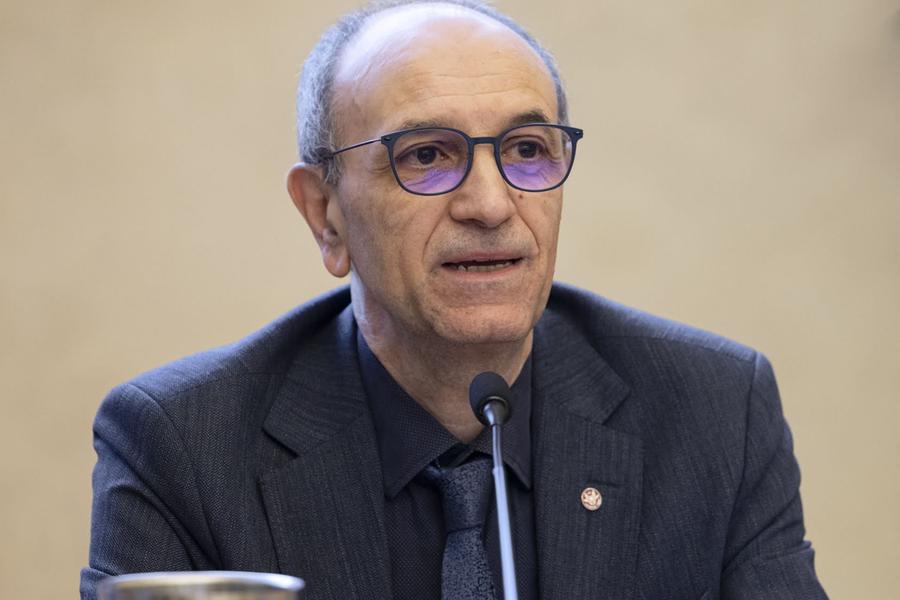
In the contemporary debate on political and digital communication, the phenomenon of disinformation takes on an increasingly central and complex role. Fake news, deepfakes and “platformization” of the public sphere no longer represent just episodic distortions of the information system, but structural elements that profoundly impact the quality of democratic debate and citizens’ trust in institutions and the media. The professor Michele Soricescholar of political communication and professor at the Department of Communication and Social Research (Coris) of the La Sapienza University of Rome, where he teaches Communication and Civic Engagement and Theories of Communication and Digital Media, he is one of the speakers at the Communication Festival. In this interview he analyzes the transformations taking place in the global information system.
Professor, how structural is the phenomenon of fake news to political communication today and how much is it a contingent distortion linked to digital platforms?
«Over the last few years, attention to fake news and the manipulative mechanisms connected to it has multiplied. However, we must remember that the phenomenon of fake news, deliberately distorted or even created with the aim of directing public opinion is not new; indeed, it is a phenomenon already widely present before the Internet and even in the pre-media era. Digital platforms have speeded up this process, made it more pervasive and, above all, have made it much more complicated to adopt effective practices to combat disinformation. A transformation, however, is evident: we have moved from information disorder as an accident of the system to a new order of disinformation. It doesn’t just depend on the platforms but certainly misinformation – at all levels, from forms of misinformation to fake news – today constitutes a structural element of political communication and the information system”.
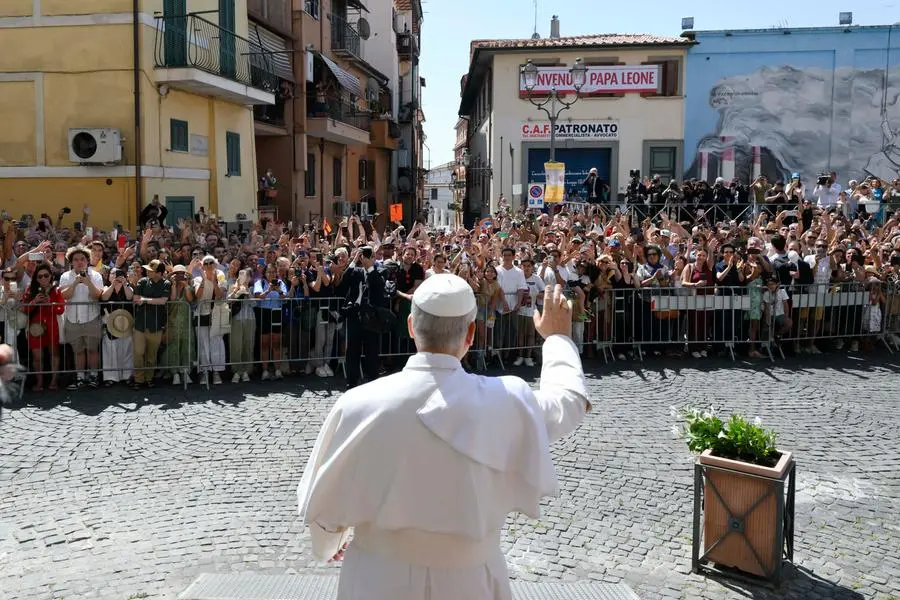
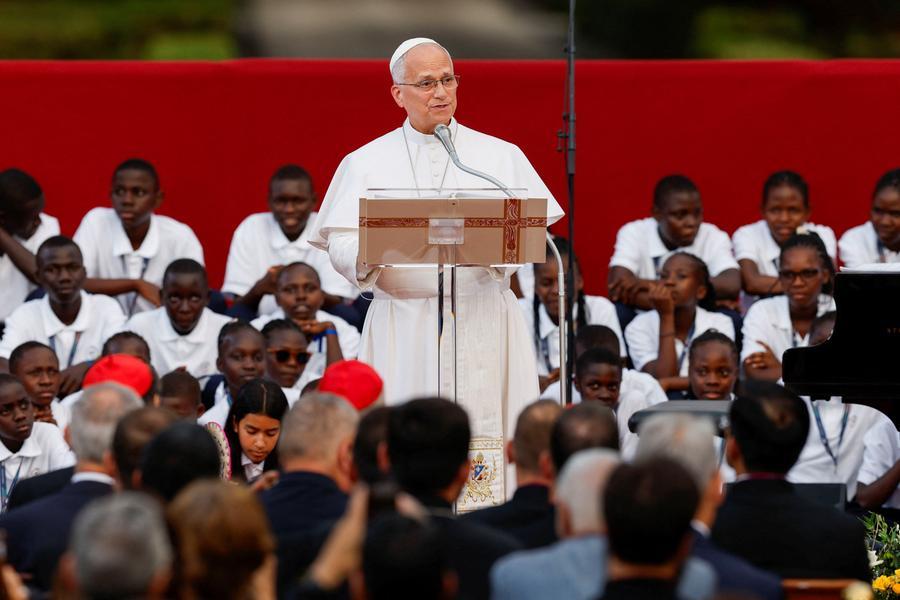
Pope Leo XIV visits the cathedral of San Pancrazio in Albano Laziale.
(VATICAN MEDIA)
How much does the so-called “platformization” of the public sphere have an impact on the diffusion of manipulated content, and what responsibilities should the large platforms assume?
«The platformisation of the public sphere determines a long series of consequences: from the transformation of information business models to the development of a strong affective polarisation, from processes such as profound mediatisation which affects all aspects of social life to the affirmation of authoritarian forms of communication. The collaborative and dialogical logic of communication – integral communication, as Pope Francis called it – risks being cancelled. This is a scenario that is however internal to what is rightly defined as “neoliberal rationality”, which tends to marginalize the value of the person, affirming the culture of waste. Platforms should assume the responsibility of also responding to social needs and rights, since, despite being private, they effectively play a public role. But this doesn’t happen because the logic of profit prevails over everything. The platforms earn within the framework of the so-called “attention economy”: that is, the more people dedicate their time to social use, the more earnings increase. In this logic, creating polarization, perhaps even through incitement to hatred, is much more profitable than responding to a social “mission”. The only alternative is offered by horizontal and non-proprietary platforms, based on different rules, such as those in the so-called “fediverse”: but for now they are more evidence, albeit significant, than a real way out.”
Looking at leaders like Trump and his violent attacks against authorities and institutions including the Pope, at Putin and the regime of Iran, how is international political communication changing between propaganda, disinformation and strategic use of the media?
«It is a communication that fits fully into this “platformized” scenario and control over informative narration has become an instrument of war. It is no coincidence that it moves within the violent logic of authoritarian communication. Trump is perhaps the most obvious case, but he is not the only one. We are inside what I previously mentioned as the “order of disinformation”: in this new “order” we find the most violent forms of contemporary propaganda, the use of the media as a tool of manipulation but also the processes of delegitimization and dehumanization of the “enemy” of the moment. The attacks on Pope Leo
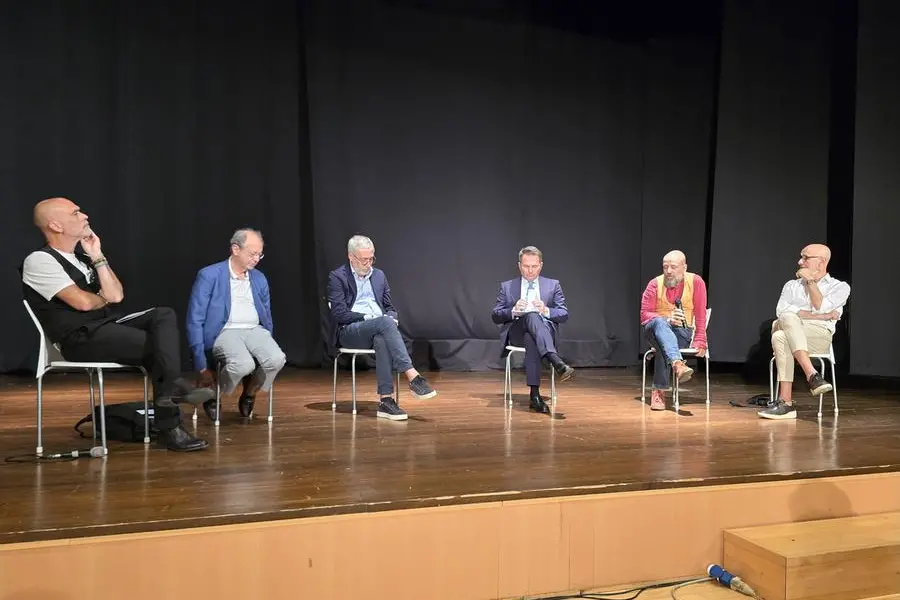
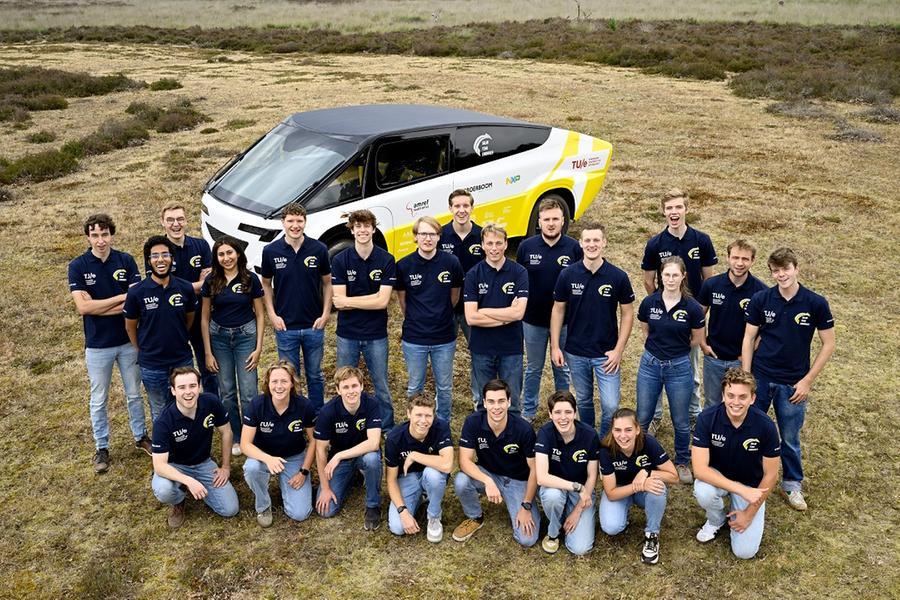
A moment from the 2025 edition of the Festival in Fermo.
(COMMUNICATION FESTIVAL)
Looking ahead, what skills should citizens and journalists develop to orient themselves in an increasingly complex and manipulable information ecosystem?
«First of all, we should all acquire those skills that are precisely defined as “media literacy”: for this reason schools should have a fundamental role right from primary school to provide skills but also to educate in critical thinking. Journalists should rediscover the profound meaning of their role as “guardians” of democracy. Many already do so but political and economic pressures are not always easy to counter. And here I think the only possibility is to change the economic system but journalists cannot do it alone.”
Leo XIV’s message for the next World Communications Day speaks of the need to “guard human faces and voices”: what does this invitation mean concretely today?
«The Pontiff’s message invites us not to lose the dialogical and relational sense of communication. Not a communication that orients and manipulates but which is an instrument of meaningful relationships; a communication that orients technologies to people and not vice versa. Pope Leo’s message is in perfect continuity with those of his predecessor who had spoken of integral communication and communication of hope. Protecting faces and voices also means moving away from an extractive logic of communication to move towards the dimension of listening and care.”
THE EVENT
From 11 to 24 May 2026 the diocese of Albano Laziale hosts the Communication Festival, an event created by the Society of Saint Paul and the Daughters of Saint Paul on the occasion of the World Day of Social Communications with the aim of creating moments of reflection around the message proposed every year by the Pope, this year on the theme “Guarding human voices and faces”. It is an ideal “journey” that takes place every year in a different diocese. This year’s program offers a rich calendar of events with various meetings, including the one on May 15th with Safiria Leccese on “words that generate good” and on the 22nd with the director of Christian family Don Stefano Stimamiglio in Anzio. It is possible to find out more about the Festival program by going to the event’s website.