





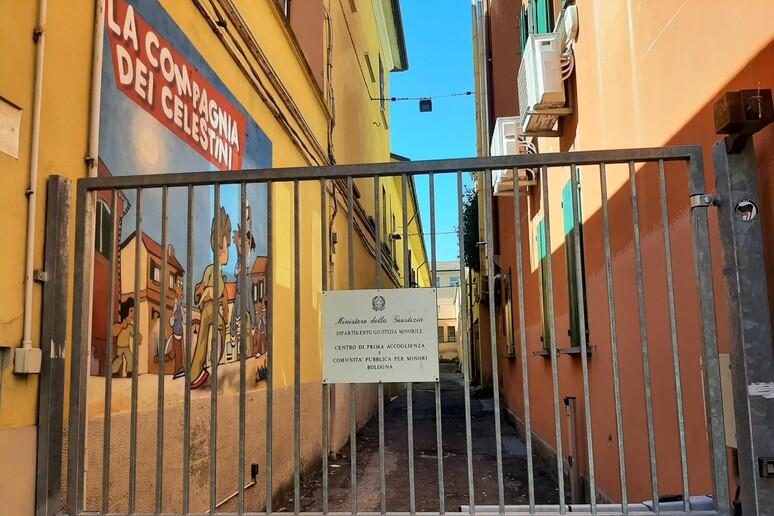
Inside the Due Palazzi prison in Padua, on Friday 22 May, there was not only discussion about juvenile delinquency or safety. We mostly talked about the future. And the most uncomfortable question that is currently affecting Italian politics, courts, schools and families: what does it really mean to punish a boy?
The national study day organized by the editorial staff of Ristretti Orizzonti has chosen a deliberately provocative title – “Punish young people?” – to focus on the risk of a society increasingly tempted by a punitive response, even towards adolescents. A reflection that has matured while the public debate hardens around the phenomena of baby gangs, of the so-called “maranza”, of youth violence and school dropout.
In the midst of the effects of Caivano decreewhich introduced a crackdown on juvenile crime and expanded the use of precautionary custody for minors, the Padua conference tried to shift the focus: from fear to listening, from punishment to educational responsibility.
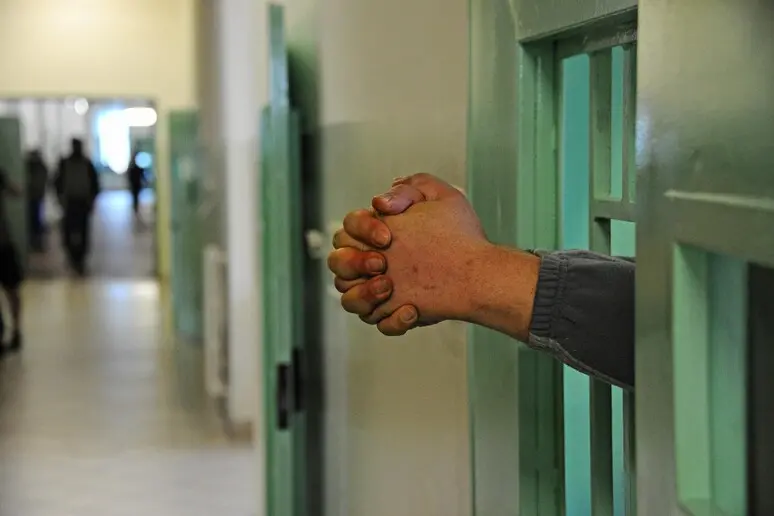
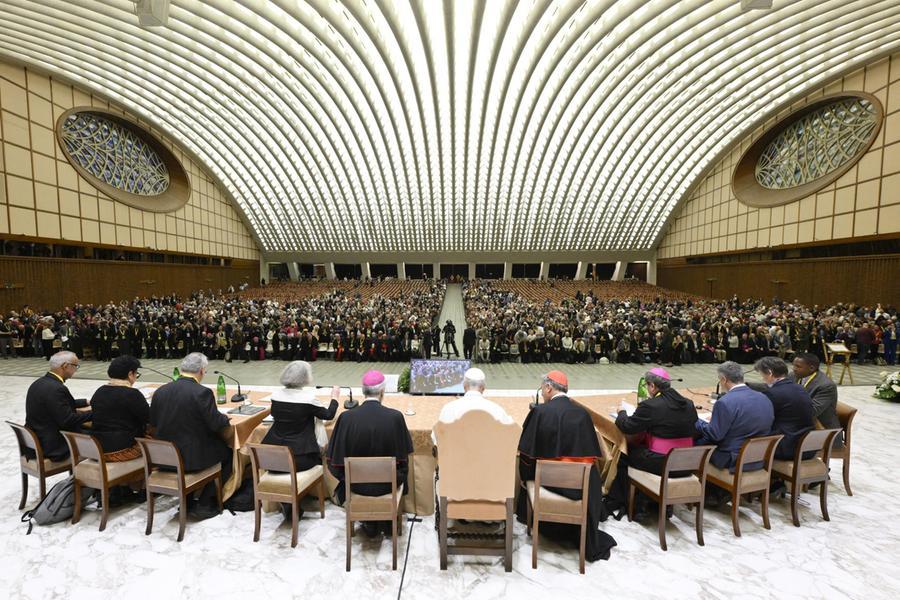
About 500 people from all over Italy – magistrates, prison workers, teachers, educators, lawyers, students, volunteers and representatives of the third sector – filled the spaces of the prison directed by Maria Gabriella Lusi. Also present were the deputy head of the Penitentiary Administration Department Massimo Parisi and dozens of inmates with their families.
But the heart of the day was above all the testimonies of the “kids inside”. Stories of witnessed violence in the family, addictions, school dropouts, anger, loneliness. Stories that, as he explained Ornella Favero, director of Ristretti Orizzontiare not born from improvisation but from a long daily work of discussion and self-awareness within the editorial staff of the newspaper from prison.
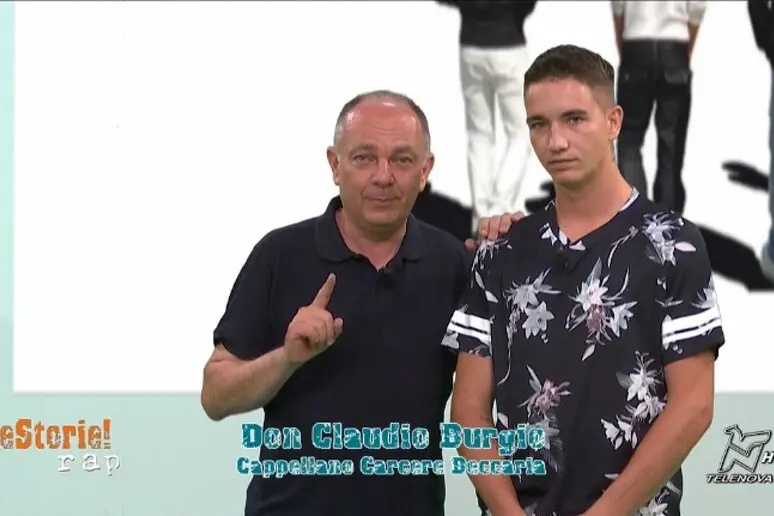
Among the most intense interventions was that of Raoul, a young life prisoner, who retraced his childhood marked by domestic violence that ended in tragedy. And that of Don Claudio Burgio, chaplain of the Beccaria juvenile prison in Milan and founder of Kayrós, who for years has been repeating a phrase that has almost become a pedagogical manifesto: “There are no bad boys”.
A message that stands in stark contrast to the political climate of recent years. The Caivano decree, passed after the news events in the Neapolitan hinterland, represented a repressive turning point in the juvenile penal system: more entries into penal institutions for minors, more possibilities for precautionary custody, a bringing of juvenile justice closer to the mechanisms of adult prison. According to the data cited during the debate and also taken up by the associations that monitor the penitentiary system, the number of minors detained increased significantly after the measure came into force.
Yet he arrives right from the Padua prison a cultural counter-proposal that focuses on the educational relationship. For almost thirty years, Due Palazzi has been building paths that intertwine school, theatre, university, journalistic writing, mediation and discussion between victims and perpetrators of crime.
It is no coincidence that many of the day’s guests insisted on the need to read about youth distress before it explodes into violence. Matteo Lancini spoke about adolescent loneliness and the demonization of the internet; Leopoldo Grosso of consumption and new dependencies; Gabriel Seroussi of the “maranza” phenomenon as a mirror of social fears; Francesco Pompei ADHD often goes undiagnosed among young prisoners.
At the center, continually, is a question: how much does the environment in which a child grows up weigh? AND How much does adult society contribute to producing marginality and anger?
The strength of the Ristretti Orizzonti experience perhaps lies precisely here: in the attempt to keep personal responsibility and collective responsibility together. No absolution of crimes, but not even the shortcut of simple punishment. A difficult line, against the current, which however in Padua is practiced every day through dialogue and shared work between the penitentiary institution and volunteers.
The results, in many cases, are concrete. The newspaper’s editorial staff involves prisoners in cultural and professional training courses; the Due Palazzi university center has become one of the most advanced models in Italy; treatment projects and educational activities are considered fundamental tools for reducing recidivism and rebuilding social bonds.
In a country crossed by the demand for increasingly severe sentences, the message coming out of Due Palazzi appears almost radical: without listening, without education and without relationships, prison risks turning into nothing more than a factory of resentment.