





It is not a new sentence on the death of Stefano Cucchi, but it is a page that weighs as much as a moral condemnation on the judicial history that followed that death. In the reasons filed by the Court of Cassation on the trial for misdirection, the supreme judges in fact speak of one “clear desire” to prevent the physical conditions of the young Roman surveyor from being attributed to the responsibility of members of the Carabinieri. Words that come almost seventeen years after Cucchi’s arrest and which bring to the center a story that has become a symbol of the relationship between power, justice and fundamental rights.
According to the Supreme Court, from the reconstructions that emerged in the previous levels of judgment it is clear that there was an attempt to prevent the precarious conditions of the thirty-one year old, observed after his arrest, from fueling suspicions about the behavior of the soldiers who had had him in custody. The false annotations and documentary alterations contested in the trial would have been functional to this very objective: remove the hypothesis of internal responsibility and build an alternative narrative of the facts. A reconstruction that the Court of Cassation deemed consistent with what was ascertained in the rulings on the merits.
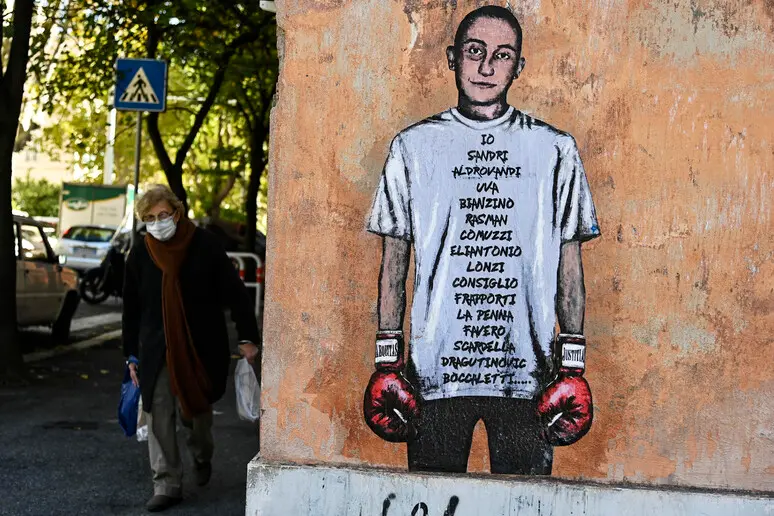
However, the proceedings on the red herrings ended with different results. Last March the Court of Cassation definitively acquitted Colonel Lorenzo Sabatino “because the fact does not exist”, while it confirmed the convictions of Francesco Di Sano and Luca De Cianni and took note of the statute of limitations accrued for other officers involved, including General Alessandro Casarsa. However, Sabatino’s acquittal does not change the overall judgment expressed by the Court on the concealment strategy reconstructed in the trial.
For Ilaria Cucchi, who together with her parents transformed a private pain into a long civil battle, the reasons represent yet another confirmation of what has been reported for years. He spoke of “sixteen years of misdirection that destroyed my family”, recalling the human price paid to obtain a truth that seemed to continually move away.
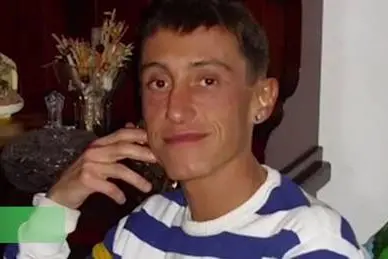
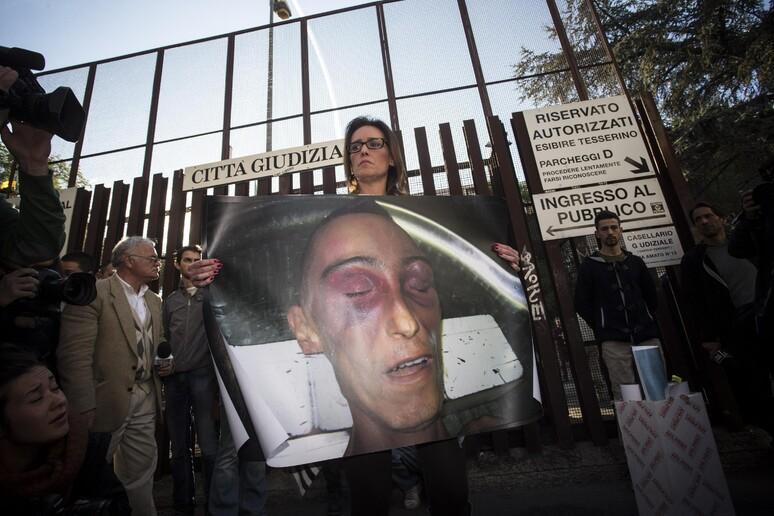
Stefano Cucchi’s story begins on 15 October 2009. Stopped by the police in Rome for possession of narcotic substances, he was transferred to the security rooms and subsequently brought before the judge. In the following days his health conditions deteriorated rapidly until he was admitted to the Sandro Pertini hospital, where he died on 22 October. The photographs of his body, marked by bruises and injuries, arouse a wave of indignation in public opinion and open one of the most controversial Italian judicial cases of recent decades. For years the trial process was characterized by dismissals, acquittals, contradictory testimonies and reconstructions that were later denied. There was discussion of presumed previous pathologies, drug addiction, anorexia and even HIV positivity which turned out to be unfounded. At the same time, suspicion was growing that the truth had been hidden behind a series of omissions and falsifications.
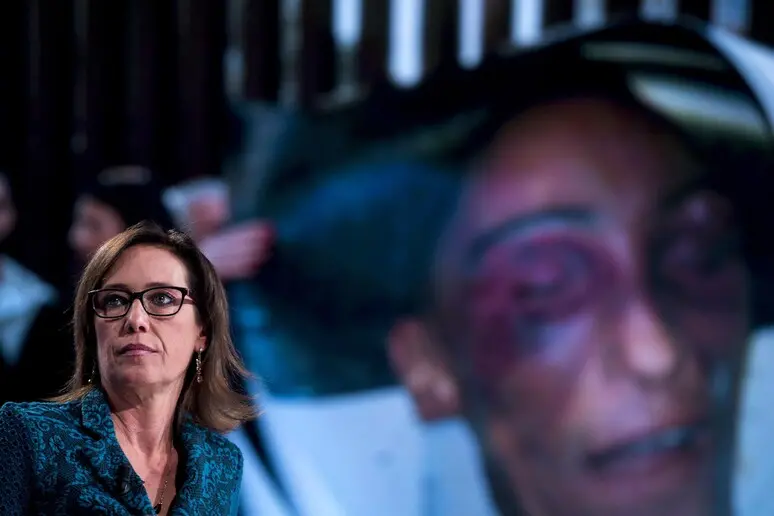
The turning point comes thanks to new testimonies and renewed investigative activity. In 2018 some carabinieri broke the wall of silence, allowing us to reconstruct the beating suffered by Cucchi after his arrest. In 2022, the convictions for manslaughter of two soldiers held responsible for the violence that caused the death of the young man become definitive, while the trend relating to misdirection continues its path up to the recent rulings of the Supreme Court. The entire story also had a profound impact on the Italian public debate. It has contributed to strengthening the focus on the control mechanisms of law enforcementon the importance of institutional transparency and the protection of people deprived of personal freedom. At the same time it showed how difficult it is to ascertain the truth when, instead of collaborating with justice, parts of the public apparatus choose to protect themselves.
The reasons filed by the Court of Cassation do not rewrite the events, but confirm an essential point: alongside the tragedy of Stefano Cucchi’s death there was, according to the judges, an organized attempt to distance responsibilities and direct the investigations differently. It is a conclusion that goes beyond the single trial and questions the relationship of trust between citizens and institutions. Because a democratic state is measured not only by the ability to prosecute the guilty, but also by the courage to recognize its own mistakes when these are committed by those who represent it.