





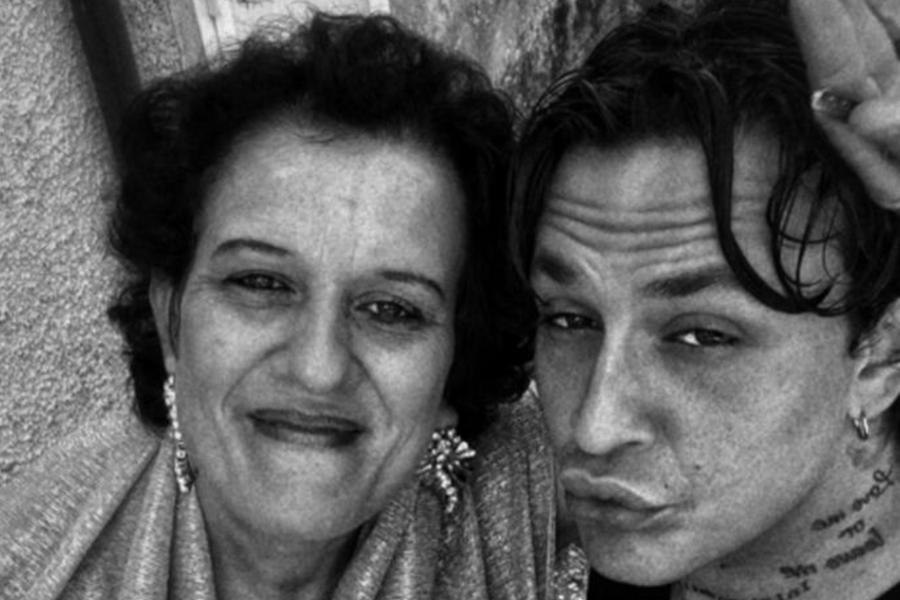
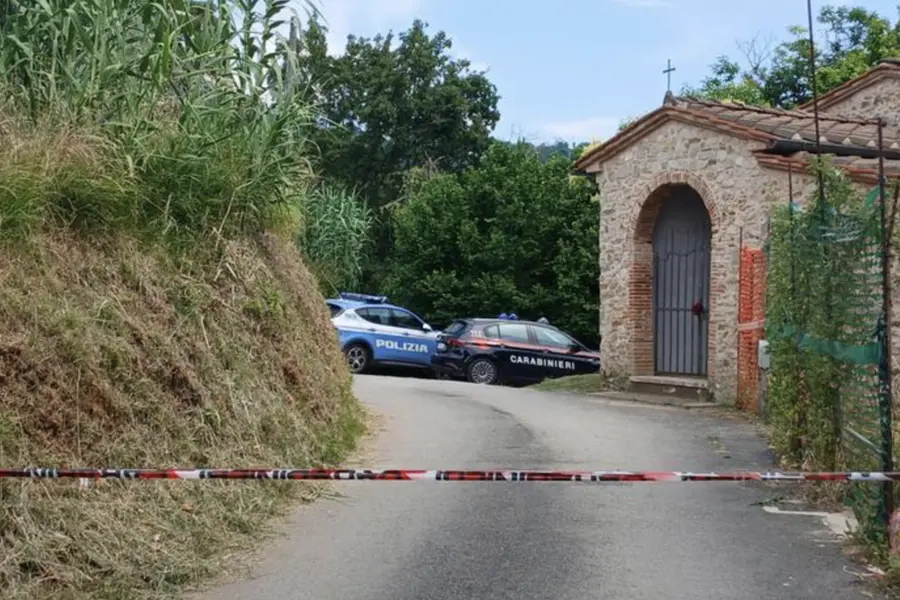
Unfortunately, the summer is full of terrible crime stories, which sometimes occupy the front pages due to the lack of “important” news. Stories of heinous crimes, which confront us with the worst of humanity. But a particularly odious case occurred in Pieve di Camaiore, a small village in Versilia. A father, 63-year-old Piero Moriconi, kills his son, Mirko, 24 years old, with a hunting rifle because he is homosexual and, together with him, his wife Kety Andreoni, 52 years old, the boy’s mother. “I finally got rid of them,” said the father shortly before the police arrived.

The Facebook posts of the murdered boy reveal something of the background of the highly conflictual relationship between father and son: “You are a disgrace for the family”, “Better dead than a gay son”. «It’s bad to think that your father would prefer you dead than gay», Mirko had posted already in 2022. These are the brutal thoughts repeatedly expressed by the father towards his son. Who had found support and loving acceptance only in his mother. Mirko had also confided to friends that he was thinking of changing sex.
It is a story that makes – and must make – think deeply, because it is not an isolated case. Homotransphobia unfortunately exists and it is not uncommon to hear stories of homosexual boys and girls (and even now adults) rejected even by their own families of origin: mistreated, kicked out of the house, we no longer speak to each other. And finally extreme cases like that of Mirko, killed by his father. An already unnatural and inhuman combination – a father who kills the creature he helped generate – and which is burdened with further inhumanity because rejection is behind itthe lack of acceptance of a sexual orientation, an insurmountable stigma towards a difficult condition already full of suffering.
I try, as a priest, to put myself in the shoes of the boy rejected by his father because he is gay. I know some similar stories. It means the impossibility of establishing any dialogue, because from the start one was literally “seen” badly. It means being deprived of one’s roots, of the vital background of every human being: a parent (most often the father). A suffering inflicted, due to deep-rooted prejudices, by those who should instead guarantee you trust, support, beyond everything. For a boy, with all the fragilities that those who find themselves in a particularly difficult condition due to the confrontation with an elusive sexual identity can experience, it is a deep pain, which touches the roots. Excruciating, devastating. «The worst way to miss someone is to sit next to them and know that you can never have them»: a post by Mirko who probably referred to his father. A pain that Mirko felt but to which he tried to react: «Life was hard on you, but you never gave up», he wrote talking about himself. He cultivated dreams related to music.
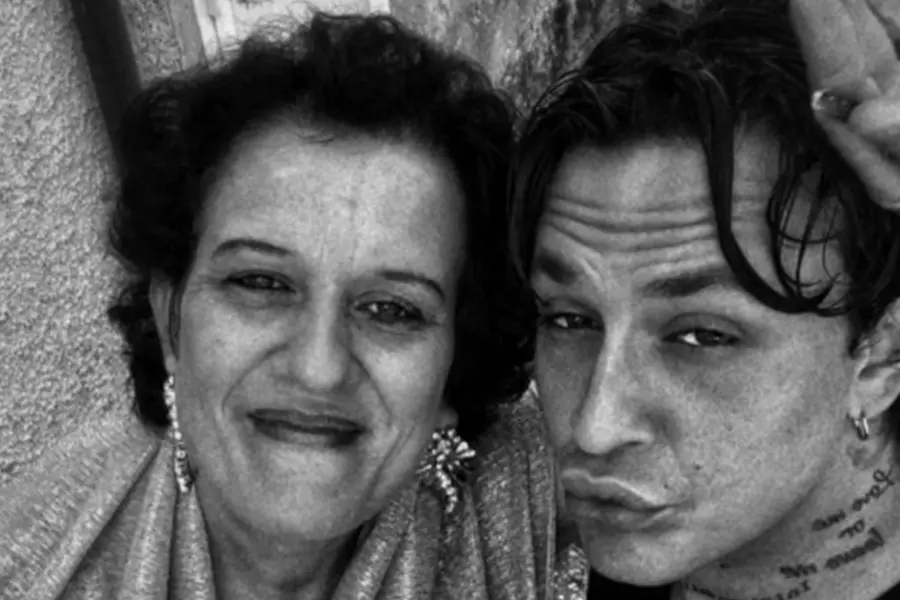
A suffering that Mirko has repeatedly posted on social media. Who knows if there was also a dose of social marginalization, that of a small town where everyone knows everyone else. In any case, Mirko declared that his only unconditional emotional support was in his mother, a nurse: «My accomplice in life, my best friend, my strength. My mother,” he wrote on social media. The only one who, with her mother’s heart, understood the right thing to do: welcome that child as he is, not judge him, protect him as much as possible so that he walks confidently in life. I was reminded of the statement of John Paul I, Pope for 33 days in 1978: «God is also a mother».
It is a story that makes us experience first-hand what was stated in Amoris laetitia, Pope Francis’ 2016 apostolic exhortation on love in the family, regarding the “situation of families who live the experience of having people with homosexual tendencies within them, an experience that is not easy for either parents or children” (n. 250). However, we should continue reading that document to grasp the only right, human attitude and in harmony with the Gospel: «Therefore, first of all, we wish to reiterate that every person, regardless of their sexual orientation, must be respected in their dignity and welcomed with respect.taking care to avoid any sign of unjust discrimination and particularly any form of aggression and violence.” Respect, dignity, hospitality: words to burn into our consciences.
Someone will wonder where this is written in the Gospel. The answer is that this attitude is written in the life itself and of Jesus. In his way of meeting and approaching without prejudice many categories of excluded people of his time: lepers, possessed people, prostitutes, adulteresses, rich men who exploited others, poor widows, foreign women… Love, to say a word that summarizes the Gospel, knows how to overcome every distinction and can indeed make a life “on the margins” flourish again.
Which, unfortunately, did not happen with Mirko.