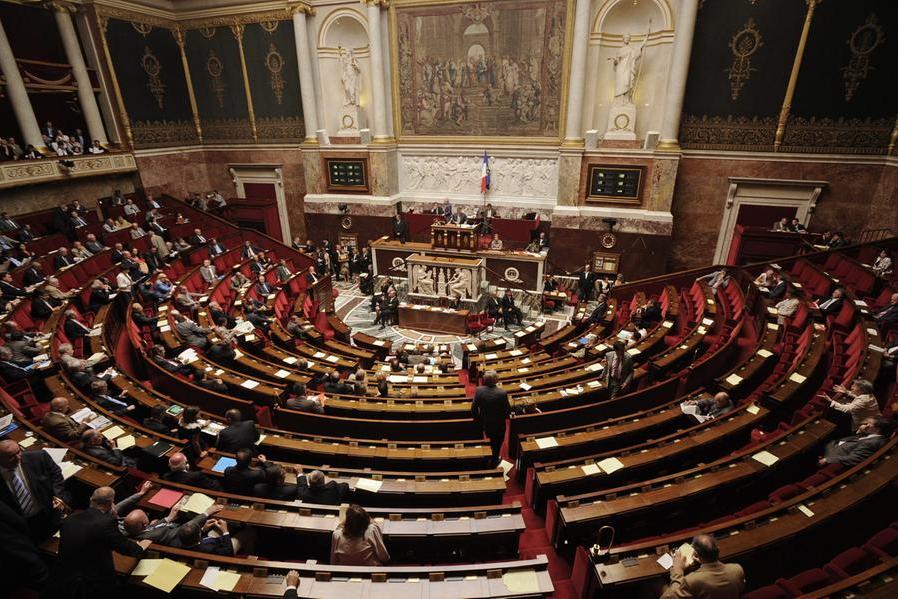
France has opened the door to assisted suicide. The National Assembly definitively approved, with 291 votes in favor and 241 against, the law which allows some patients suffering from serious illnesses to obtain, in compliance with the established conditions, the administration of a lethal product. Before it comes into force, it still needs to pass before the Constitutional Council. But the political, cultural and anthropological turning point has already taken place.
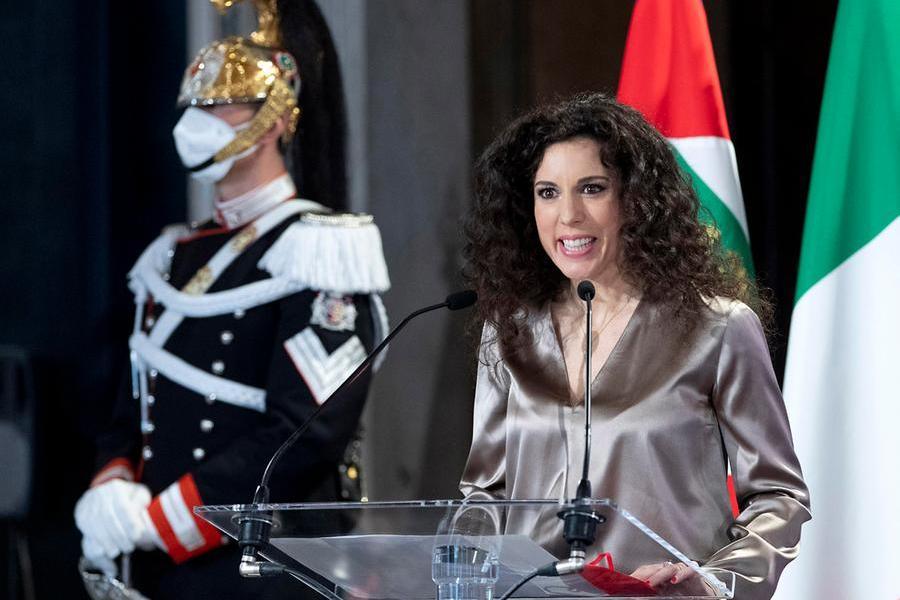
Emmanuel Macron hailed the vote as the fulfillment of a commitment made in 2022 and the result of a “constructive and respectful” debate. The president of the National Assembly, Yaël Braun-Pivet, spoke of “a great text for our Republic”. In the words of supporters, the law represents the recognition of an extreme freedom: that of deciding on one’s own death when the suffering becomes intolerable and can no longer be alleviated.
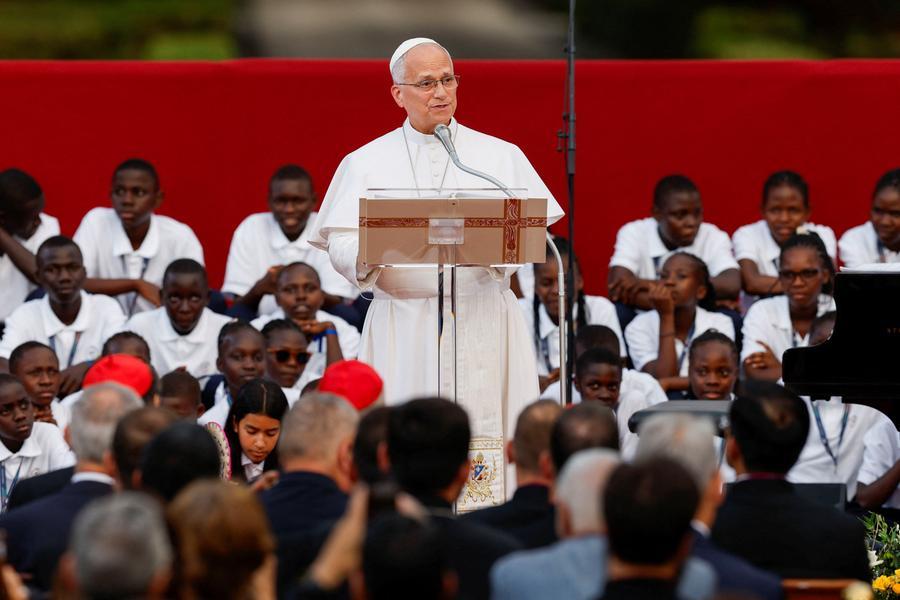
However, the French bishops read the decision from an opposite perspective. They don’t just see the introduction of a new individual possibility, but a transformation of the entire society’s relationship with fragility. “July 15, 2026 marks a crucial turning point in the history of our country,” they say in the note signed by Cardinal Jean-Marc Aveline, president of the Episcopal Conference, and by vice-presidents Vincent Jordy and Benoît Bertrand.
According to the episcopate, the legalization of euthanasia and assisted suicide interrupts “the long tradition of care”, based on the commitment to alleviate pain and accompany each person until natural death. This is the heart of the objection. A law never simply grants a right: it also establishes what a community considers acceptable, normal and, over time, even convenient.
As long as caused death remains prohibited, the patient can feel certain that doctors, family members and institutions are required to stand by him. When it becomes a legal possibility, that same person may begin to question not only whether he or she wants to continue living, but whether he or she still has the right to burden others. The freedom proclaimed on paper thus risks transforming, in the solitude of a room, into silent pressure. And this is even more true if the patient is alone, psychologically fragile, poor in resources and affection.
It is above all on this point that the bishops’ alarm deserves to be heard even by those who do not share Catholic doctrine. “The poorest will likely be the first to pay the price,” they write. An elderly person with a modest pension, a disabled person dependent on the assistance of others or a sick person aware of the costs of their care could feel induced to no longer be “a burden” on their children and grandchildren and to commit suicide.
No explicit constraints are needed. The lack of assistance, the tiredness of family members, the scarcity of places in facilities, the time required by public health services or the feeling of having become useless may be enough. Because a choice can only be said to be truly free when concrete alternatives exist. If, however, palliative care is insufficient and home accompaniment is entrusted almost entirely to families, the right to die risks running much faster than the right to be treated.
The prelates also dispute the story of an exclusively serene and rational confrontation. In their opinion, political, ideological and even economic considerations were hidden behind “misleading rhetoric”. It is a severe accusation, but it concerns an inevitable issue: in increasingly older societies, with healthcare systems under pressure, assisted death cannot be considered only in the private dimension of personal choice. There is also a public dimension, made up of budgets, structures, personnel and healthcare priorities.
The experience of countries that have already introduced these practices, the bishops further observe, also shows the tendency to progressively broaden the access criteria. A fissure becomes a crack that turns into a chasm. What begins as an exception for extreme cases can slowly extend to other conditions, while palliative care risks remaining the longest, most expensive and tiring path.
However, the French Church does not respond with a generic refusal or with a confessional battle. He calls Catholics, families, doctors, nurses, volunteers, associations and chaplains to demonstrate with facts that “another path is possible”: a faithful presence, capable of alleviating physical and psychological suffering without abandoning anyone.
It is here that the position of the bishops acquires its greatest strength. It is not enough to declare yourself against assisted dying. We need to build a system in which no one is left alone to the point of wishing for death because they can no longer bear their life or because they fear burdening others.
France has recognized a new individual right. It remains to be seen whether he will be able to defend with equal determination the most ancient of collective duties: taking care of those who are no longer strong, efficient or autonomous. Because a civilization is not measured only by the freedom it grants to those who ask to die, but by the closeness it guarantees to those who, in their most fragile moment, need to be helped to live.