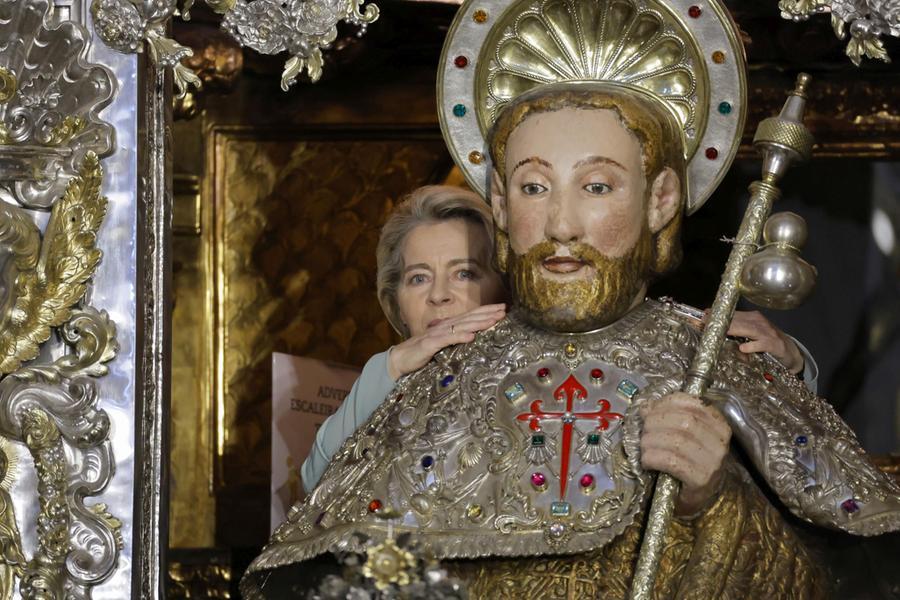
On July 25th the Church celebrates Saint James the Greaterone of the twelve apostles of Jesus and the first to give his life for the Gospel. He is the patron saint of pilgrims, wayfarers, knights and soldiers, but his name is mainly linked to Santiago de Compostela, destination of one of the pilgrimages of the Christian world. Every year hundreds of thousands of people, of all ages, faiths and nationalities, walk the Camino de Santiago
driven by faith, by inner research or by the desire to set out towards a goal that is also spiritual.
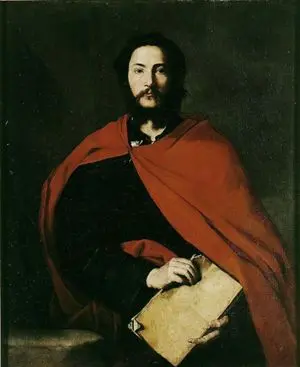
Joseph de Ribera, Saint James the Greateroil on canvas, circa 1634.
The fisherman called by Jesus
James is called “Major” to distinguish him from the other apostle of the same name, James of Alphaeus. Born in Bethsaida, on the shores of Lake Tiberias, he was the son of the fisherman Zebedee and brother of John the evangelist. While he was working with his father to mend the nets, he was called by Jesus together with his brother. He immediately left the boat and followed him.
Together with Peter and John he formed the group closest to the Master. He witnessed some of the most important moments in the life of Christ: the resurrection of Jairus’ daughter, the Transfiguration on Mount Tabor and the prayer in the Garden of Gethsemane before the Passion. Jesus nicknamed him and John Boanerghes, that is, “sons of thunder”, indicating their impetuous temperament.
The first of the apostles to die as a martyr
The Gospel also tells the ambition of the two brothers, when, through their mother Salomeask Jesus for the first places in his Kingdom. The Master responds by showing them another path: that of service and the gift of life. Those words will soon be fulfilled. Around the year 42, King Herod Agrippa I ordered his beheading. Saint James thus became the first of the apostles to receive the crown of martyrdom, as narrated in the Acts of the Apostles. It is the last certain news that the New Testament gives us about his life.
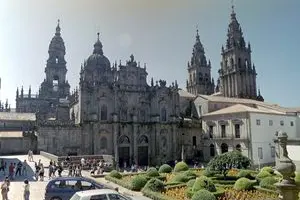
The Cathedral complex of Santiago de Compostela
From Jerusalem to Galicia
From that moment on, history leaves room for tradition. According to an ancient devotion, after the martyrdom some disciples transported the apostle’s body to the coasts of Galicia, in north-west Spain.
Tradition says that his tomb was found at the beginning of the 9th century thanks to a mysterious light observed by the hermit Pelagius. The bishop Theodomiro rhe recognized that place as the tomb of the apostle. From here the name Compostela was born, traditionally linked to the Latin expression stellae campus“field of the star””, while Santiago derives from Sancti Iacobi, that is, Saint James.
The birth of the great pilgrimage
The discovery of the tomb he quickly transformed Compostela into one of the great sanctuaries of medieval Christianity, along with Rome and Jerusalem. In 1075 construction began on the majestic cathedral which still today houses, according to tradition, the relics of the apostle. Since the 10th century, thousands of pilgrims crossed Europe to reach Galicia. That flow has never stopped and continues today, making the Camino de Santiago one of the most popular spiritual itineraries in the world.
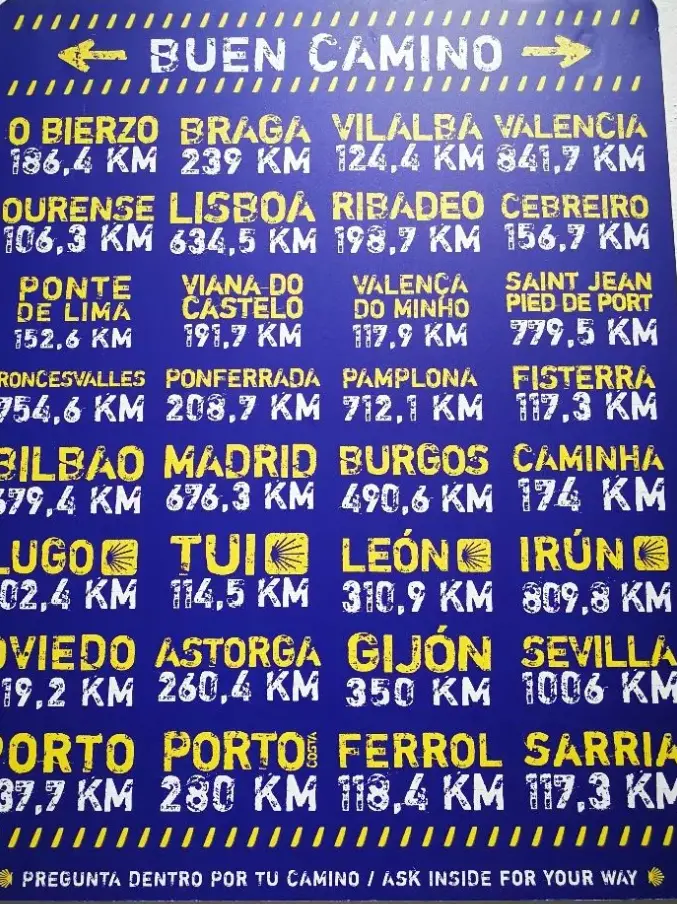
The Path that also speaks to the men of today
Today the Camino de Santiago is not just a religious experience. Believers and non-believers, young and old, families and single people travel along it. There are those who leave to untie a knot in their lives, those to thank, those who simply want to find silence in a time dominated by haste.
The symbols of the Compostela pilgrim still tell of this journey: the stick, the hat, the bag and above all the shell, universal sign of those heading towards Santiago. Saint James thus continues to be the traveling companion of millions of people who, step by step, discover that the pilgrimage not only leads to a cathedral, but also within themselves.
Patron saint of pilgrims
The Church venerates Saint James as the patron saint of pilgrims, wayfarers, knights and soldiers. His memory reminds us that the Christian faith is first and foremost a journey: not a point of arrival, but a road to travel every day, letting yourself be guided by the Gospeljust like that fisherman from Galilee did who, called by Jesus to the shores of the lake, had the courage to leave everything to follow him.