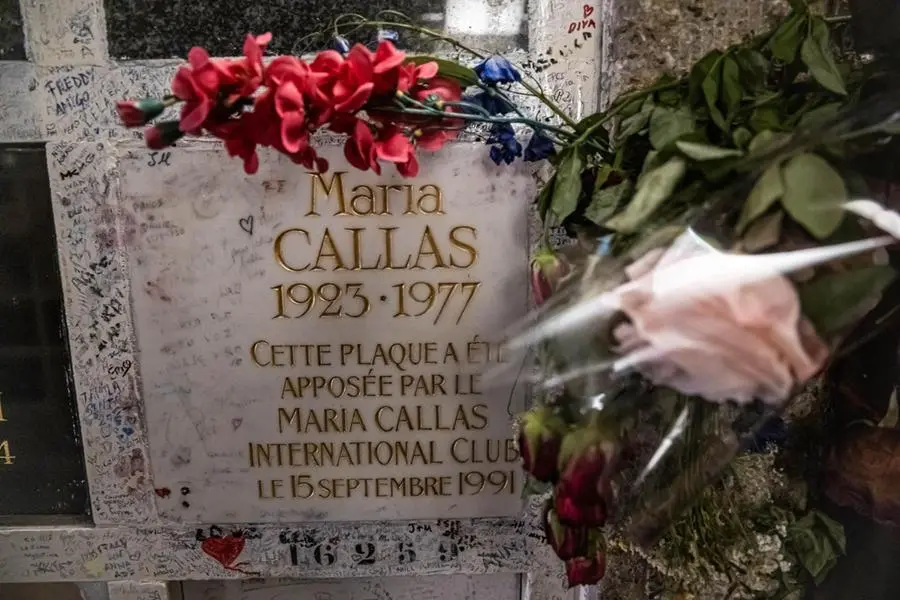





While in recent days a scientific study of what is called paleopathology, the branch that – between history and medicine – investigates backwards the illnesses of figures from the past in light of the medical knowledge acquired in the meantime, hypothesized that what weakened the voice may have been an autoimmune pathology not known at the time, an extraordinary historical document has given us that voice and an unprecedented moment of the bond between Maria Callas and the tenor Giuseppe Di Stefano.
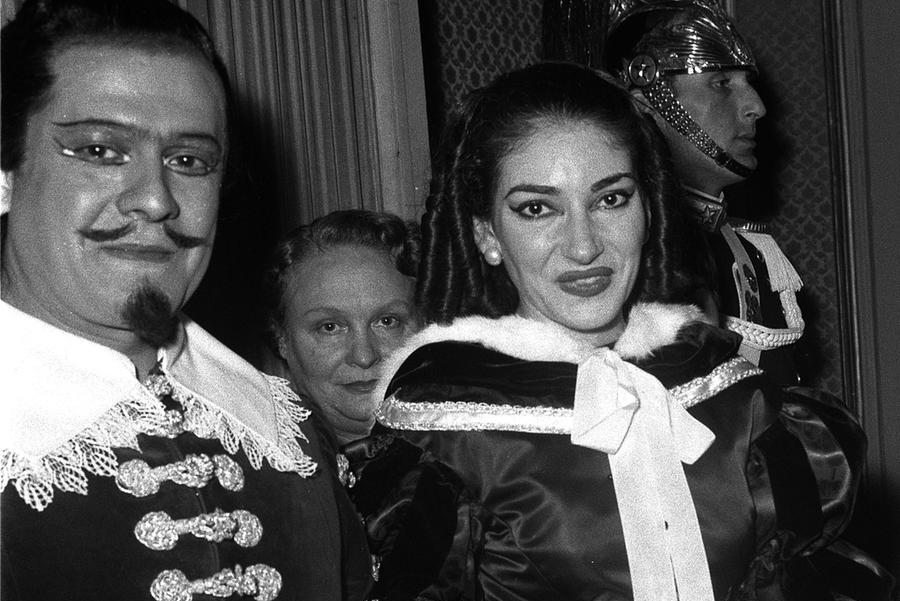
The two are linked to the historical memory of a memorable one Traviataconducted at La Scala by Carlo Maria Giulini, directed by Luchino Visconti, who definitively consecrated La Divina to the Olympus of operaalso thanks according to some to a direction tailored to his figure.
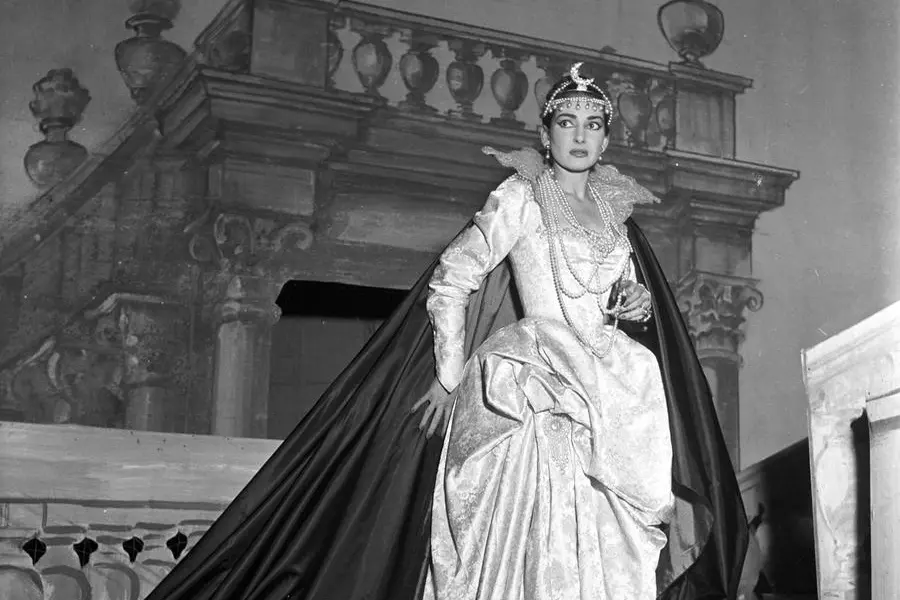
Reporting on the premiere on 28 May 1955 for the Corriere della Sera was none other than Eugenio Montale, future Nobel Prize winner for Literature, in case the concentration of personality involved in the staging wasn’t enough. A spectacle, wrote Montale, which reached port “despite the dangers of rough seas”. He was referring to the change of conductors with Giulini in place of Viktor De Sabata, when opera was still in the news even in the magazines.
The precious historical document made available on Radiotre, edited by Enrico Stinchelli, in recent days, in the special episodes of It strikes onerefers to a much later era: to the study sessions that served as a prologue to the famous Callas Di Stefano world tour that began in November 1973 and continued in 1974culminating in the triumph of Japanese concerts. These are completely unreleased recordings brought to light by Stinchelli, thanks to the exclusivity granted by Giuseppe Di Stefano’s heirs, Giuseppe Di Stefano Jr. and Floria Di Stefano.
A document of exceptional historical and human value: lessons never heard before, private conversations between the two artists, an unprecedented phone call following the first London concert of the tour and a long nocturnal conversation between Maria Callas and Di Stefano, testimonies that shed new light on their artistic and personal relationship. «These are duets that the two artists were rehearsing», Stinchelli said at the preview presented at the Scala in Milan, before the last tour about which so much nonsense was read, such as the one that insinuated that Di Stefano was making money out of Maria Callas: quite the opposite, Maria Callas had stopped singing in 1965, she was in a terrible state from a vocal point of view and Di Stefano helped her to regain her self-confidence. The story with Onassis had gratified her on the one hand (she loved him very much), but had destroyed her from a vocal point of view after eight years of silence. Di Stefano, out of a 20 thousand dollar salary for each of the 40 concerts, had only kept 5 thousand for himself, proving that suspected greed is something that must be removed from bad books that have been read about Callas. This finding also historically illuminates the relationship between the two. Callas had three loves: the initial one for her husband Meneghini, who paid for the lessons of Tullio Serafin, the greatest conductor who ever existed copyright Karajan; Onassis, for whom he had a great passion; but also in the end Pippo Di Stefano, with whom the union went from artistic to sentimental. Maria Callas, at that time, was in poor health and gave 40 concerts, without a single song in her repertoire, never a chamber aria with six or seven notes. Callas lived for opera and wanted to return, scruffy as she was, to sing opera, and she returned to sing it also thanks to Di Stefano”, two years before she died in 1977
That precious material of which the last episode airs at 1pm on June 29th is available on demand on
https://www.raiplaysound.it/playlist/ilcantoritrovato-giuseppedistefanoemariacallas
Old-fashioned recordings, with ancient means, perhaps far from the Instagrammable perfection to which young musicians sometimes feel bound, but for this reason very human and historically of great value.