





It’s not the first time. And it probably won’t be the last. But every time Central and Southern Italy finds itself under water, with rivers overflowing, bridges giving way and families forced to leave their homes in the middle of the night, the question returns promptly and dramatically: How long are we willing to wait before truly securing this country?
A wave of exceptional bad weather has been hitting for a few days Abruzzo, Molise, Puglia, Basilicata and, to a lesser extent, Marche and Sardinia. The Civil Protection issued a red alert, the maximum level, for a large part of Molise and Abruzzoand an orange alert for almost the entire Apulian territory. These are not temporary phenomena: the disturbance has battered these lands for three consecutive days, leaving a toll of damage, fears and emergency interventions that still cannot be fully quantified.
Molise broken in two
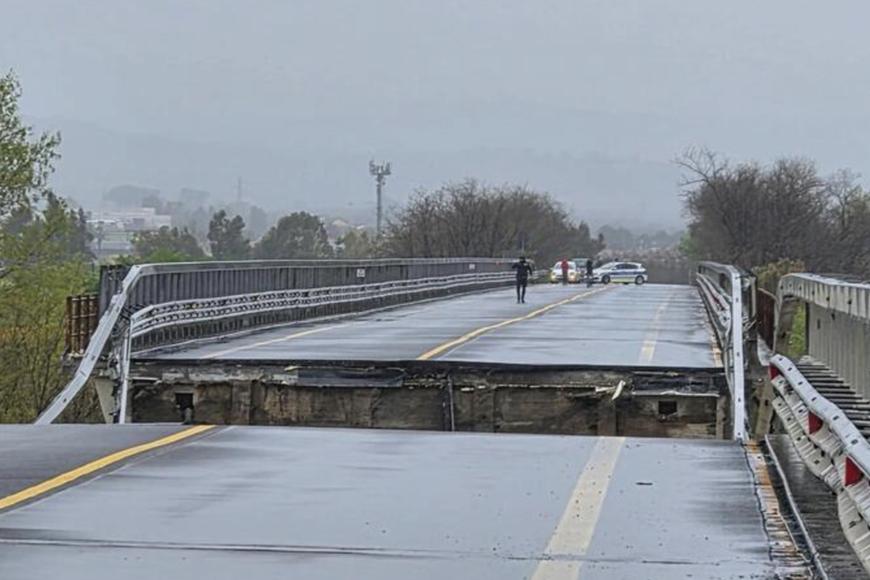
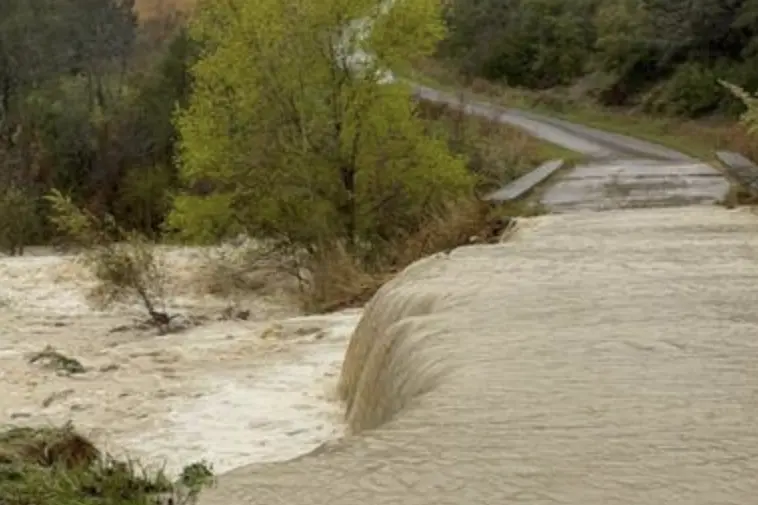
The most symbolic and dramatic blow came on the morning of April 2: in Molise the bridge over the Trigno river along the Adriatica state road 16 collapsedin the territory of Montenero di Bisaccia. The structure had already been closed as a precaution the day before, when the river swelled due to flooding. The collapse was reported by the head of the local police, who was on site to monitor the situation.
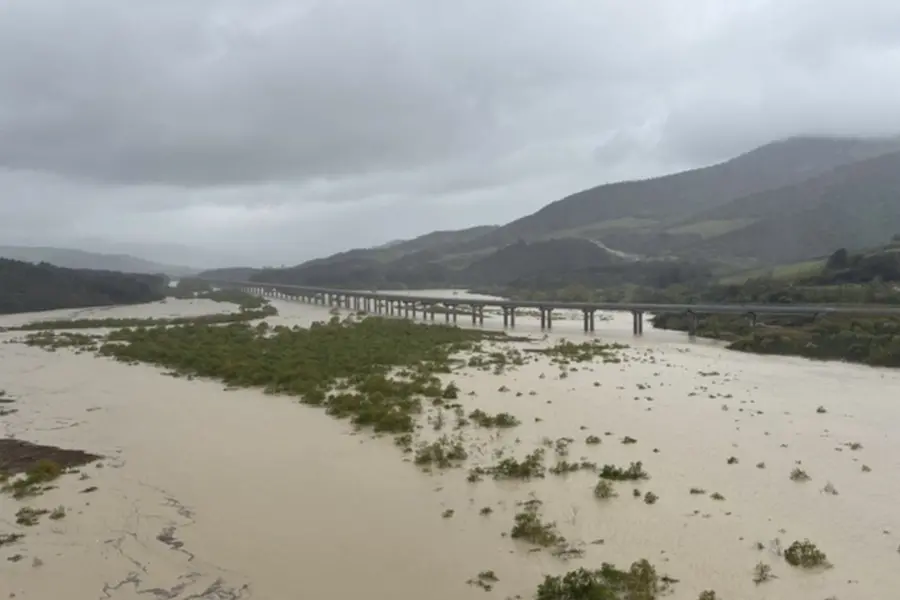
With that bridge the road connections with Abruzzo fell. An interruption that does not only affect traffic: it means doctors who are unable to reach patients, goods who do not arrive, elderly people alone in the most remote countries who remain without help.
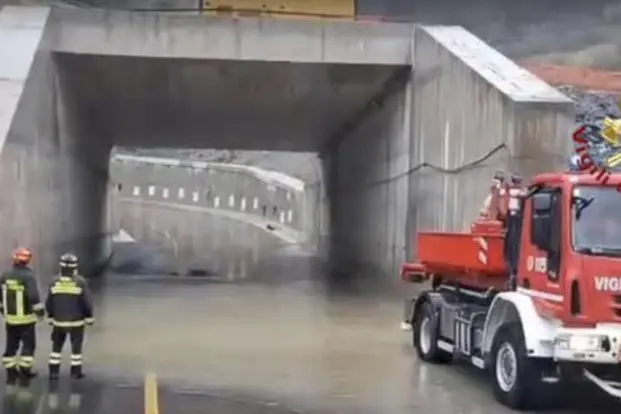
In the meantime the Carpino river also flooded, flooding part of the provincial road 45 in the Carpinone area and the industrial area of Pettoranello del Molise. The provincial command of the Campobasso Fire Brigade had to recall free personnel to service and bring in men and vehicles from other regions, from Modena, Latina, Frosinone, as well as specialized diving personnel from the Ancona headquarters.
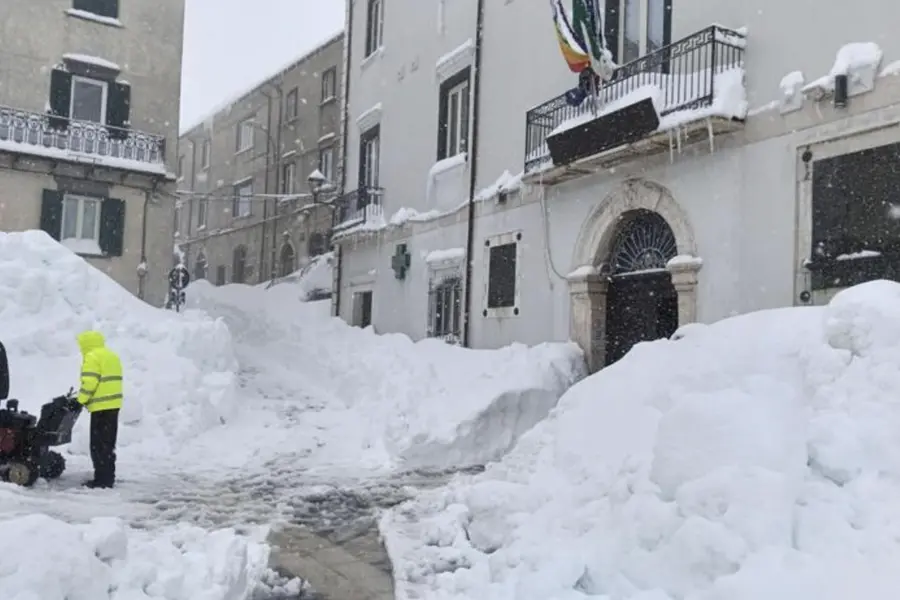
In Capracotta, in the province of Isernia, approximately 1,420 meters above sea level, about one and a half meters of snow fell. A country that suddenly found itself isolated from the world, like a white island in the midst of a storm.
Termoli under the water: a night of fear
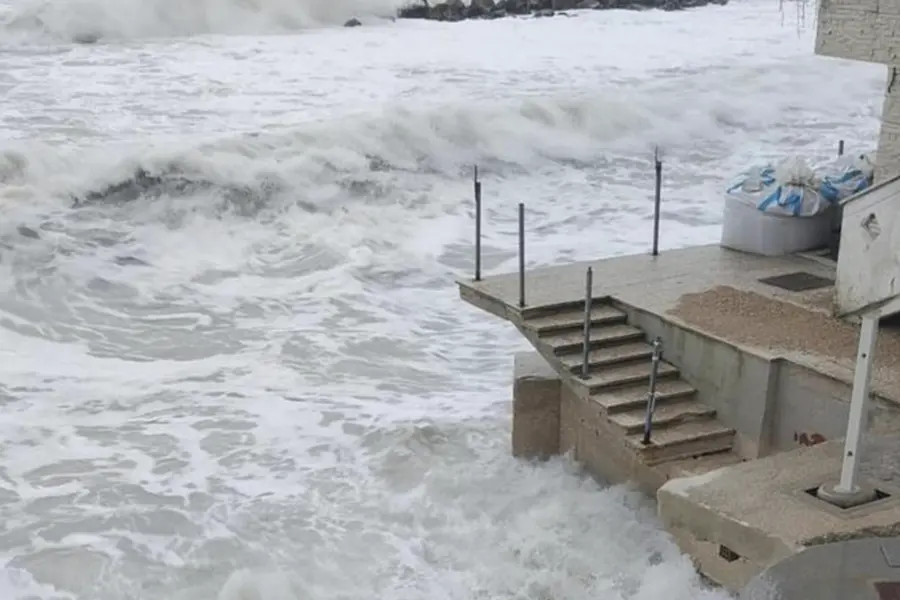
In Termoli, a seaside city in Molise, the night between Tuesday and Wednesday had the feel of an emergency. A man was rescued after being overwhelmed by the flood of the Sarca torrent while he was in his car. In the following hours, the mayor Nicola Antonio Balice made the order the evacuation of some areas of the municipality: the industrial area of the Biferno Valley and that of Rio Vivo. Businesses closed, families forced to abandon homes and businesses. About thirty municipalities, including Termoli, kept schools closed.
An entire city suspended, waiting for the water to recede and for someone – politics, institutions, the community – to answer the oldest question of all: why are we still here to suffer?
Abruzzo flooded
Abruzzo also experienced dramatic moments. Flooding was recorded in Popoli Terme, in the Pescara area, and in Ortona, in the province of Chieti, where the retaining wall of a state road collapsed. But perhaps the most significant damage from a transport point of view was caused by Osento river: its flooding flooded the railway tracks that connect Pescara to Foggia, interrupting the movement of trains.
In Penne, in the province of Pescara, bad weather caused the Tavo Sud water main to break, leaving the hospital without a direct water supply. The emergency was managed with tankers. A hospital without water. One of those pieces of news that makes it clear to what extent the emergency has entered the living fabric of communities, touching not only the streets and homes but also the places where care is given, where people are born, where lives are saved.
Puglia submerged
In the Foggia area the toll is heavy. Over fifty motorists were rescued and around forty people were taken to safety from farms and country cottages, some with inflatable boats. About ten families who remained stranded in the countryside of Borgo Incoronata were rescued by the firefighters. The Cervaro and Fortore streams flooded, leading to the temporary closure of a section of State Road 16.
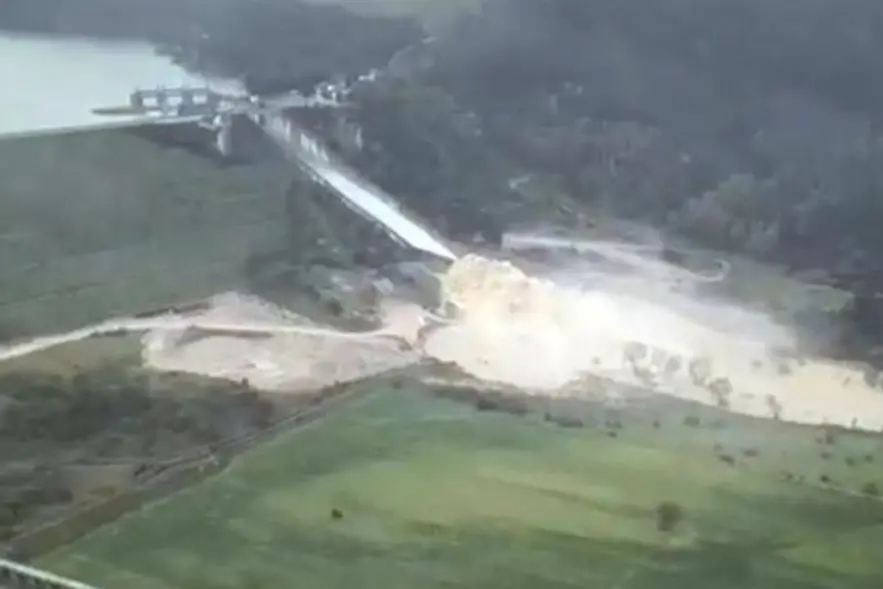
The Occhito dam, on the border between Puglia and Molise, went from 107 million cubic meters of water to over 176 million in the space of a few hours. ansa The mayor of Carlantino, the municipality closest to the reservoir, launched a direct appeal to citizens: «Stay at home. Limit travel to what is strictly necessary.” A town of 800 inhabitants, almost completely isolated, with landslides along the roads and flooding in the cellars. In the Bari area, the Ofanto river has reached the warning level, prompting the municipality of Canosa di Puglia to close the roads adjacent to the ancient Roman bridge.
Basilicata and Marche: bad weather spares no one
In Rapolla, in the province of Potenza, the collapse of a retaining wall made it necessary to evacuate three families. Throughout Basilicata, firefighters are working on landslides and flooding, particularly in the Metaponto area.
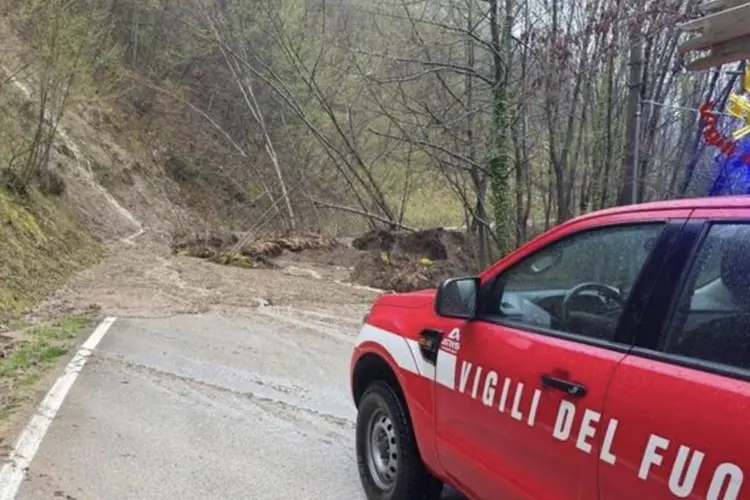
In the Marche region, in the hamlet of Pozza, in the municipality of Acquasanta Terme, around ninety residents are isolated due to a landslide which interrupted the only access road to the town. handle Ninety people cut off from the world, close to the Easter holidays.
The fragility of a territory and the strength of a community
Looking at these days as a whole, a picture emerges that cannot be dismissed as a simple “chronicle of bad weather”. What we are seeing is the result of decades of delays: in the maintenance of infrastructure, in the care of the territory, in the prevention of hydrogeological risk. Italy is one of the European countries most exposed to these risks, yet every time we find ourselves chasing the emergency instead of preventing it. But there is also another Italy these days: that of the firefighters who descend by dinghy into the flooded countryside of Foggiano, of the divers who arrive from Ancona to help Molise, of the mayors who spend the night on the phone to coordinate rescue efforts, of the volunteers who make themselves available to families in difficulty. An Italy that rallies around those in difficulty, that doesn’t wait for orders to get busy.
This is the most authentic response to the emergency: concrete solidarity, the one that doesn’t make the news but that supports the country when the institutions struggle to keep up. In the meantime, however, those who decide must understand that these are not inevitable calamities. They are, at least in part, the result of choices, or lack thereof. And every new flood, every bridge that collapses, every family evacuated in the night is a reminder that the time to act is not infinite.