
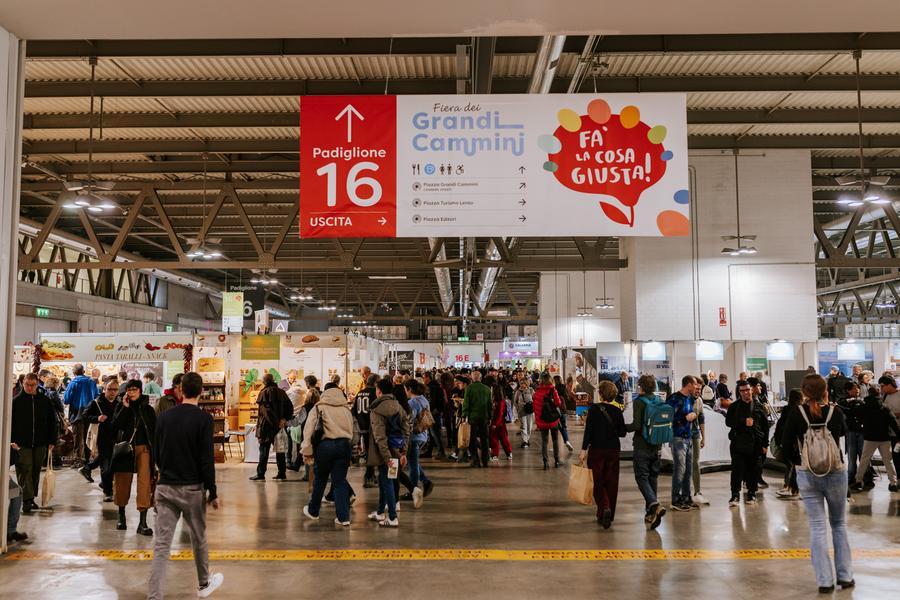


There is a question that runs through the twenty-second edition of Do the right thing! like a thread stretched between consciences: “How many people do we need? (to change the world)”. The answer, says editorial director Miriam Giovanzana, is simple and radical: everyone’s. All necessary, no one excluded. Yet, while they are preparing at the Fiera Milano Rho three days of meetings, walks, critical consumption and words on peacethere is a group of girls and boys for whom that question is not rhetorical, but urgent.
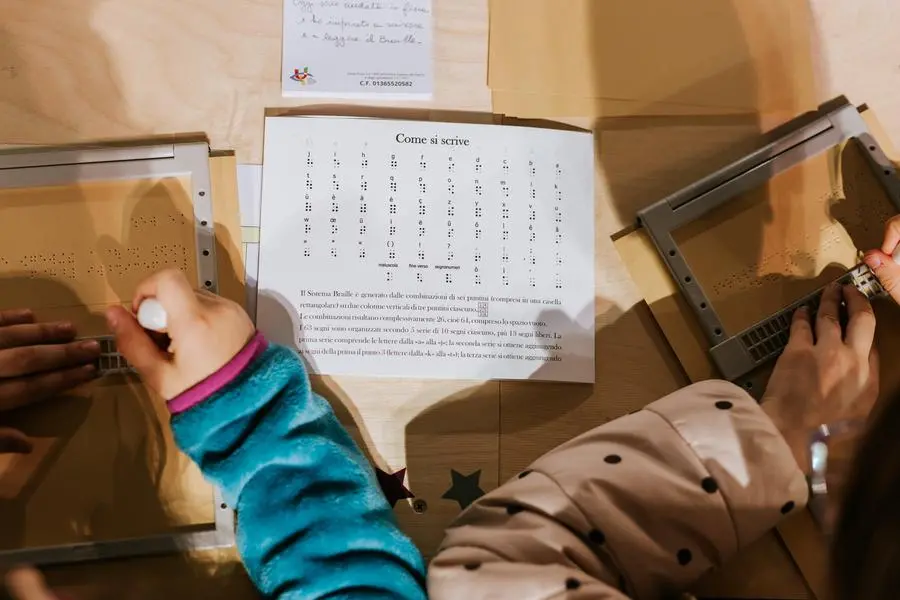
I am the students of Ain Ebel, in southern Lebanon, under siege since 9 October 2024. With their peers from the Russel and Boccioni institutes in Milan and the Parini institute in Seregno they maintained a close, patient and obstinate correspondence for months. A twinning in the name of dialogue, while bombs were falling all around. For the first time they would have had to meet in person, shake hands, put a face to words.
But today that meeting is hanging by a thread. The resumption of bombing by Israel in southern Lebanon raises the risk that the Lebanese delegation will not be able to leave. The war once again breaks into the fragile space of adolescence and puts it in check. The journey to Milan, which was supposed to be a symbolic border crossing, risks turning into a logistical impossibility, a closed border.
If general conditions do not allow departure, the meeting will still be held. On video call. A screen instead of a hug, a digital connection to replace physical presence. It’s not the same thing, but it’s a stubborn choice: don’t interrupt the dialogue. Don’t let war have the last word.
This event is part of the path that the fair dedicates to the conflicts that devastate the present – from Palestine to Ukraine, from Myanmar to South Sudan – under the title “Listening to the pain of others”. It is a program that does not limit itself to listing tragedies, but tries to build spaces of mutual recognition. On Sunday the experience of Neve Shalom Wahat al-Salam will be told, the village where Jews and Palestinians, Israeli citizens, have lived together for over fifty years, choosing coexistence as a daily practice.
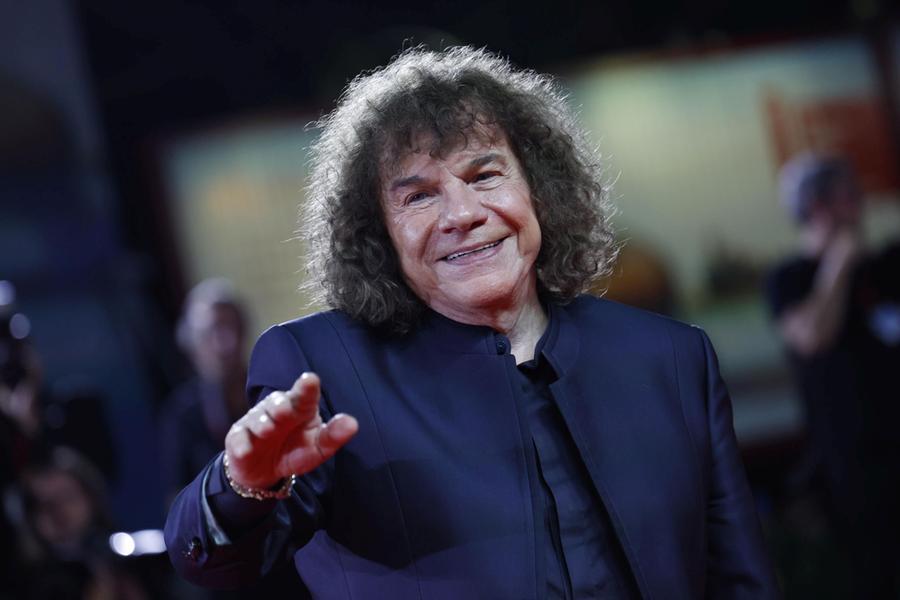
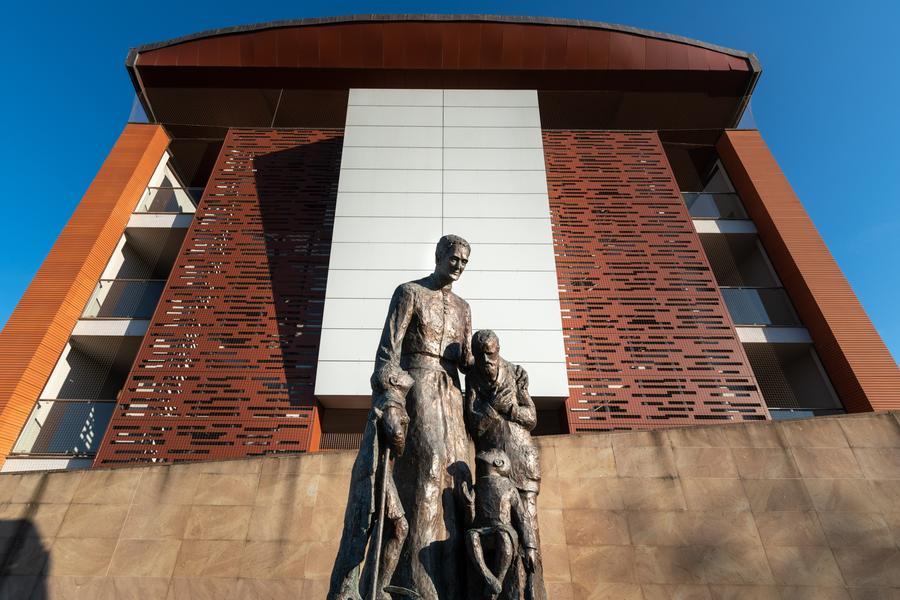
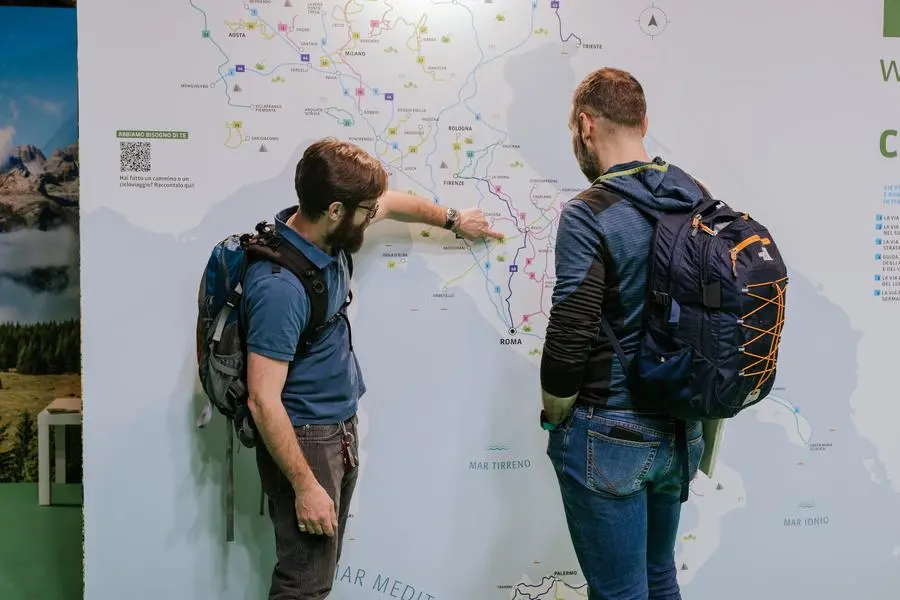
Meanwhile, the fair unfolds its numbers: 500 exhibitions, 350 meetings, 500 speakers over 30 thousand square metres. And its faces: from the climatologist Luca Mercalli a Don Luigi Ciottifrom Eraldo Affinati to Benedetta Tobagi. There is the area of the Great Routes, with special attention to the Camino de Santiago de Compostela, and there is the school, with the CHALLENGES program dedicated to “Orienting ourselves in complexity”.
But the real heart, this year, perhaps beats in that uncertain meeting between students. Because the initial question – how many people do we need – finds its concrete measure there. We need kids who don’t resign themselves to the narrative of hate. We need teachers who keep the thread open. We need organizers who, in the face of bombings, do not cancel but relaunch.
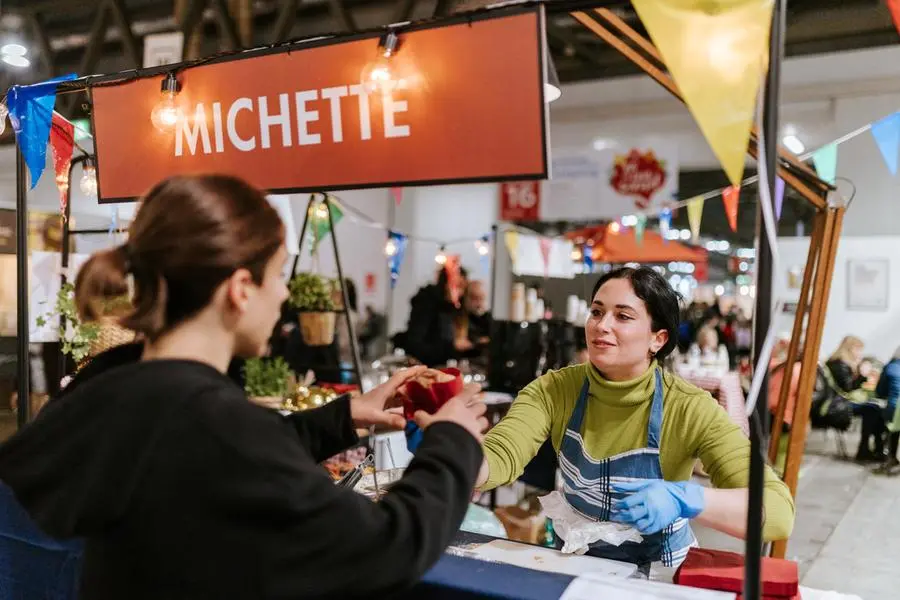
The entire architecture of the event moves around this axis. The thematic areas – from sustainable living to ethical fashion, from natural cosmetics to responsible tourism – are not watertight compartments but pieces of the same vision: connecting individual choices and collective responsibilities. In the space dedicated to the environment, the discussion on climate change does not remain confined to data, but questions lifestyles and production models; in the area dedicated to food, the collective bread-making ritual becomes a symbolic gesture, a community practice even before a gastronomic laboratory.
The Great Walks Fair, with its one hundred events, tells of an Italy that tries to rediscover itself step by step, while the Italian Alpine Club brings a mountain that is not just summits and performance, but education, inclusion, responsibility. And within the cultural program different voices intertwine: scientists, writers, activists, educators. Not to compose a uniform chorus, but to stage complexity.
Also reflection on school – with the cycle CHALLENGES dedicated to “Orienting ourselves in complexity” – takes on a particular value in a time in which educating means living in uncertainty. The autonomy of teachers, the new national indications, the challenge of digital citizenship are not technical issues, but political junctions in the highest sense: they concern the form of future coexistence.
In this framework, the possible videoconference connection with Ain Ebel would not be a makeshift solution, but a sign of the times. Technology that often divides can become an instrument of proximity. Forced distance can transform into shared responsibility. The Milanese and Lebanese kids, separated by a war they didn’t choose, would continue to talk to each other. To question. To recognize each other.
How many people do we need to change the world? Maybe enough to fill a trade fair pavilion. But above all those who, even when a flight is canceled and the skies fill with smoke, decide that dialogue remains a priority. Not as an abstract word, but as a daily practice. Not as a slogan, but as a choice.