





Men but not only. Women too, 21 to be exact. Protagonists in the historical journey and civic commitment that lasted almost two years from 2 June 1946, the day that saw the advent of the Republic in Italy, until 31 January 1948. Dates engraved in the history of our country and which represent the long journey of the “Constituent Assembly”. That Assembly, made up of 556 men and women, created the Constitution, a document that is still essential for democracy.
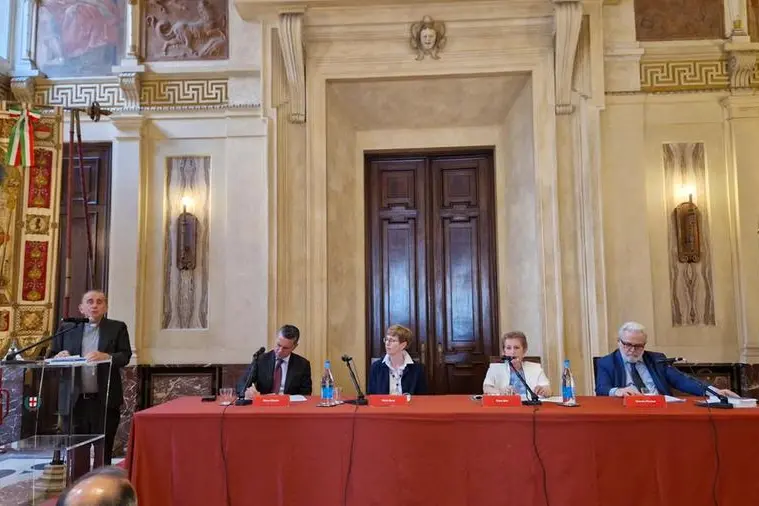
Men, but also women, lay people but also fervent Catholics: different figures and ideologies merged in the creation of the famous 139 articles. And in these days the Giuseppe Toniolo Institute of Higher Studies, the Catholic University of the Sacred Heart and the Municipality of Milan aim to remember the role played by the Catholic world, by women’s associations and by the Catholic University in the construction of this democracy.
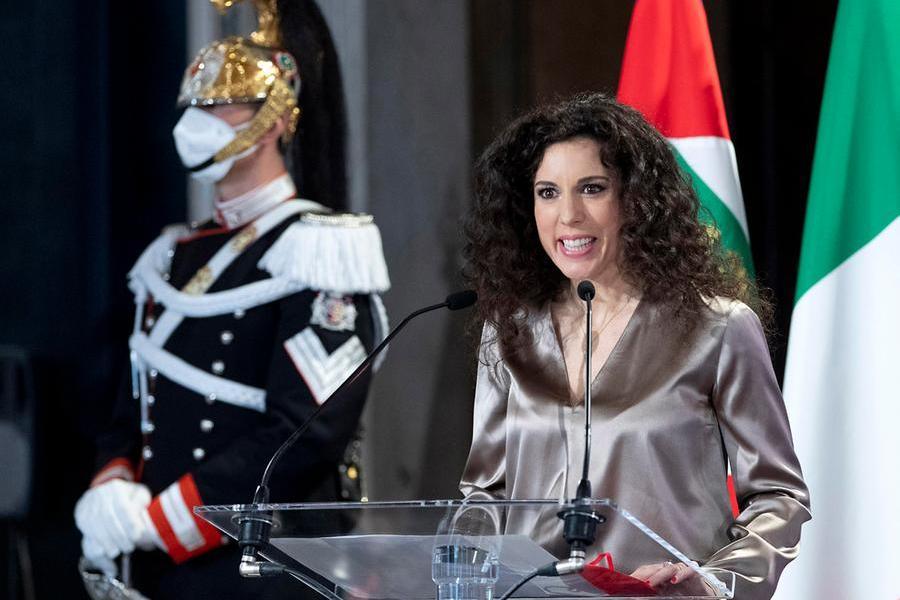
The “Women and Constituent Assembly” event was held at the Sala Alessi of the Municipality of Milan and opened with institutional greetings from the mayor of Milan, Giuseppe Sala: «Even the President of the Republic in recent days has highlighted how the founding fathers’ effort was a great one. And he defined women’s contribution to the Constitution and the birth of the Republic as “great and decisive”. The 21 founding mothers ensured equality and gender parity».
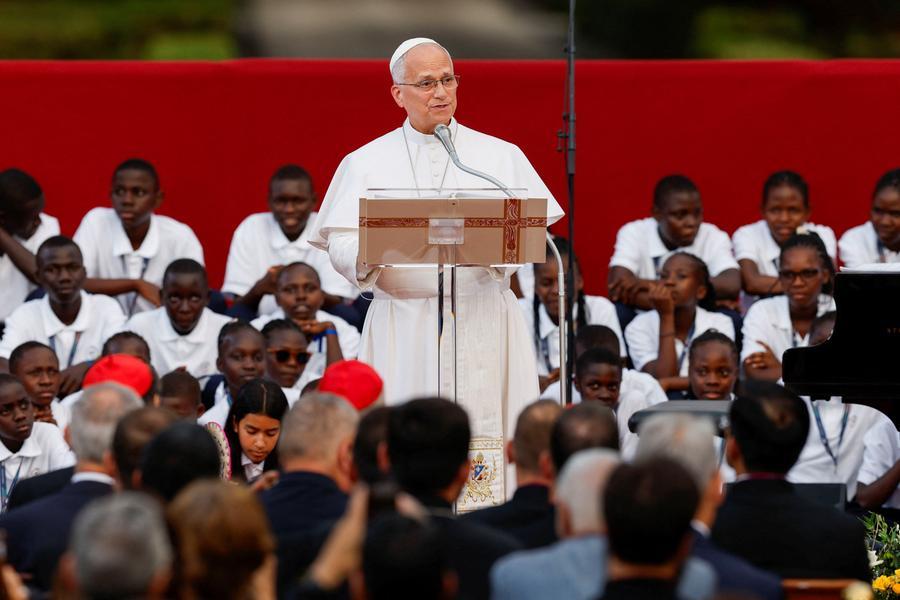
Monsignor’s reflection is broader Mario Delpiniarchbishop of Milan and president of the Giuseppe Toniolo Institute of Higher Studies: «Today I would not like us to be here only to celebrate the past, speaking of it as something inaccessible. I hear it said that at the time of the founding members, society and politics were better than today. These are conversations that don’t belong to me. For us Christians, the past is a spiritual dimension from which the new generations must draw the best. And politics and society must have a role of extreme responsibility in carrying forward the present by drawing from the past and allowing themselves to be contaminated by that audacity that characterized the constituents themselves.”
«That responsibility I speak of dominated in the women constituents. All of them, despite having very different faith and party origins, had a very strong sense of associationism and an extreme ability to identify the priorities of values”, concluded the archbishop.
The rector of the Catholic University of the Sacred Heart, Elena Beccalli instead he focused more on the educational legacy: «Three of the 21 constituent mothers – Nilde Iotti, Laura Bianchini and Filomena Delli Castelli – graduated from our University and I say this with a touch of pride. All of them embodied the commitment and educational spirit of the Catholic University even after their studies. The founding mothers fought for the construction of a free school open to all, also focusing a lot on the connection with the territory.”
At the center of the meeting was the cultural and social contribution that accompanied the work of the Constituent Assembly in the decisive years after the Second World War. As he pointed out Professor Elena Riva, professor of Modern History at the Faculty of Education Sciences and director of the Department of Modern and Contemporary History of the Catholic University: «From 1861 to 1946 there was a long battle to get women not only into history books, but precisely into the concept of social utility. Even in the Constituent Assembly they had to fight to avoid being treated in a paternalistic and chauvinistic manner by their male colleagues. In any case, the founding mothers have made concreteness their distinctive trait and have taken it upon themselves to represent all the women of Italy regardless of their area of origin or political idea”.
Professor Maria Bocci, professor of Contemporary History at the Faculty of Education Sciences of the Catholic University, instead explored the theme of the contribution of the Catholic University to the formation of the Constituents: «Iotti, Bianchini and Delli Castelli were very different from each other, but they were linked by a fervent associationism to which the Catholic University gave an intellectual impulse that went beyond fascism, communism and liberal individualism. An impulse instead based on Catholic solidarity».
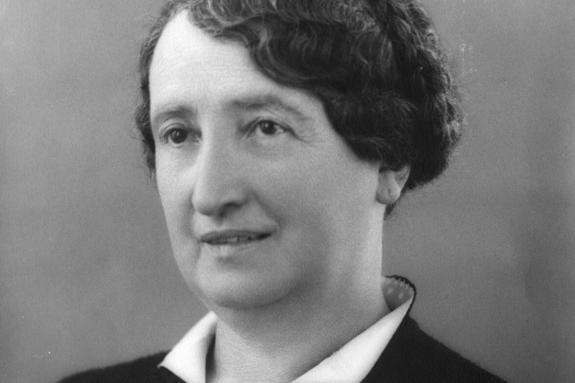
Finally, the conference also focused on the figure of Armida Barelliprotagonist of Italian social Catholicism and promoter of female participation in public life. In this sense, he intervened as a conclusion Ernesto Preziosi, author of the volume Armida Barelli, women’s long journey towards democratic participation (Ave, Rome): «Catholic associations are often underestimated due to the social impact they have had since the end of the nineteenth century. The growth of associations has been exponential with the growth of democracyia and Armida Barelli was among its main references.”