




Dental fractures, intestinal obstructions, kidney or heart damage: veterinarians are sounding the alarm on a well-known dog treat.
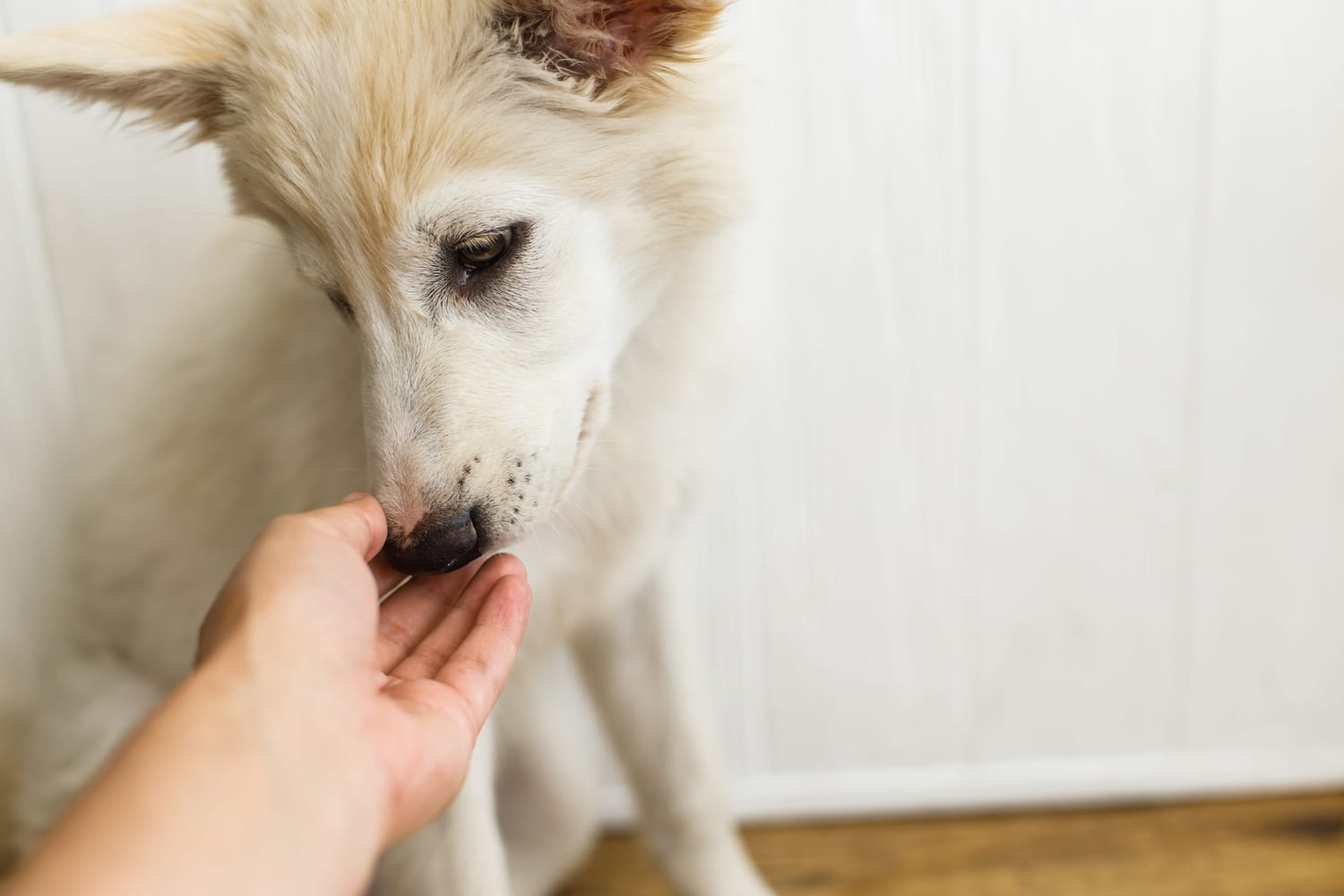
In many French homes, treats are part of the daily life of dogs, between reward, pleasure and educational routine. However, behind these products, animal health professionals observe an increase in complications. And this observation does not concern isolated cases.
Indeed, during consultations, veterinarians see situations recurring that could have been avoided: dental fractures linked to objects that are too hard, swallowed pieces causing digestive blockages, or even internal disorders that are difficult to detect. According to data relayed by ANSES, food and supplements given to domestic animals are among the frequent causes of digestive and metabolic disorders. Thus, a rule circulates in the profession: if a treat is too hard to be marked with a nail, it can break a tooth. Repairs can quickly exceed several hundred or even thousands of euros.
The most impressive cases concern intestinal obstructions. Swallowed pieces swell in the stomach or get stuck in the intestine, requiring emergency intervention. Veterinarians describe regular operations to remove fragments stuck in the throat, palate or digestive system. In these situations, the dog shows visible signs: vomiting, refusal to eat, sudden fatigue. In this context, a product is today considered the most harmful for dogs. This is the rawhide chew bone.
Several analyses, including those of the specialized site Au Nom du Chien, detail the risks linked to this type of product, in particular their chemical transformation and their behavior once ingested. Indeed, rawhide, also called “rawhide”, can swell in the body and cause serious obstructions. For its part, the National Order of Veterinarians recalls the importance of monitoring the origin and composition of products, in the face of poorly identified ingredients or additives such as xylitol, dangerous for dogs even in very small quantities. Furthermore, so-called “grain-free” diets, often chosen by mimicking human food, are now being studied for their potential link with certain heart diseases, as also highlighted by the Central Canine Society.
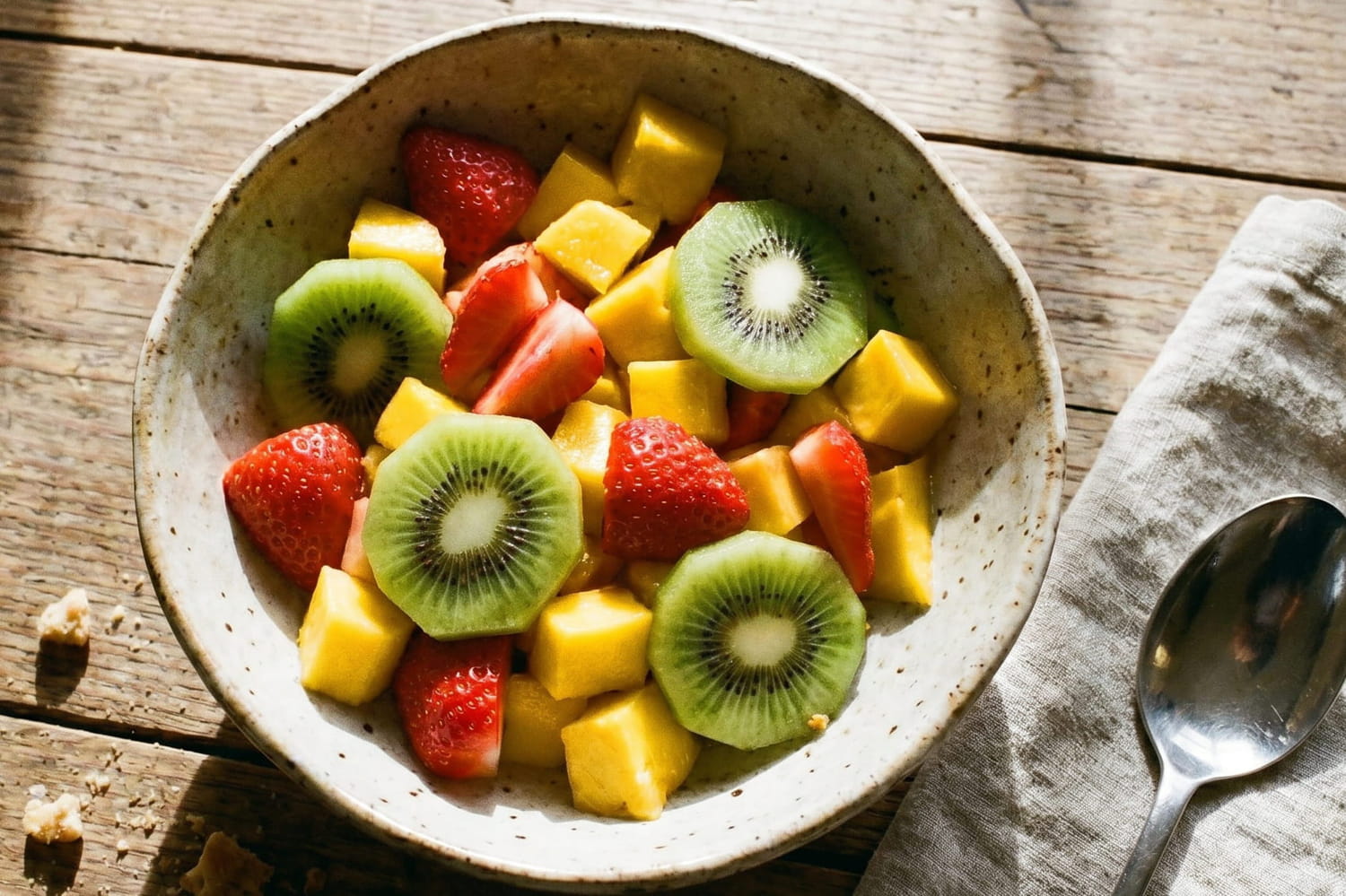
Furthermore, veterinarians recommend returning to simple and controlled choices. Minimally processed foods, a readable composition and an appropriate texture limit the risks. Fruits and vegetables such as carrots or blueberries, or even small pieces of lean meat, are often cited as alternatives. The idea is not to eliminate treats, but to integrate them with moderation.