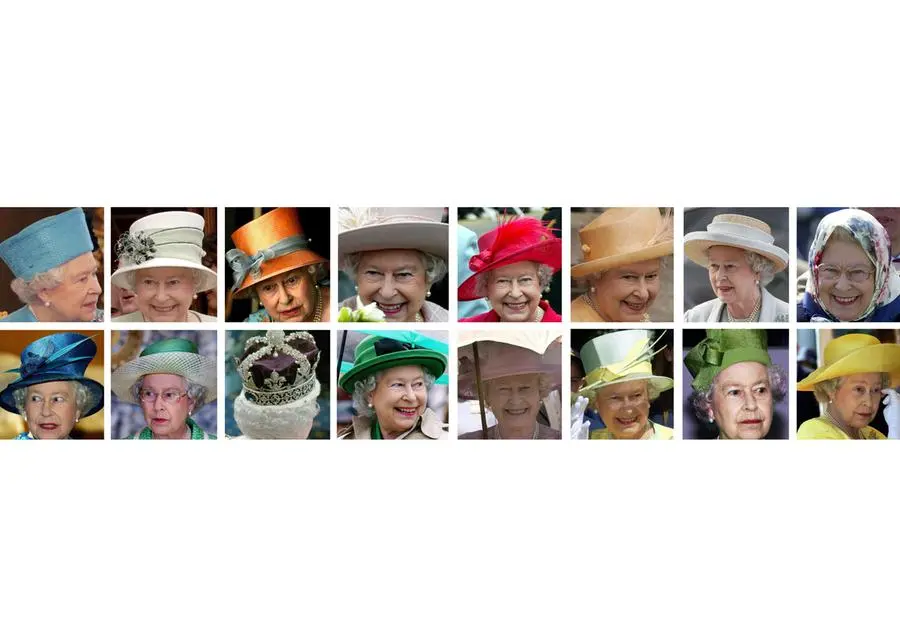

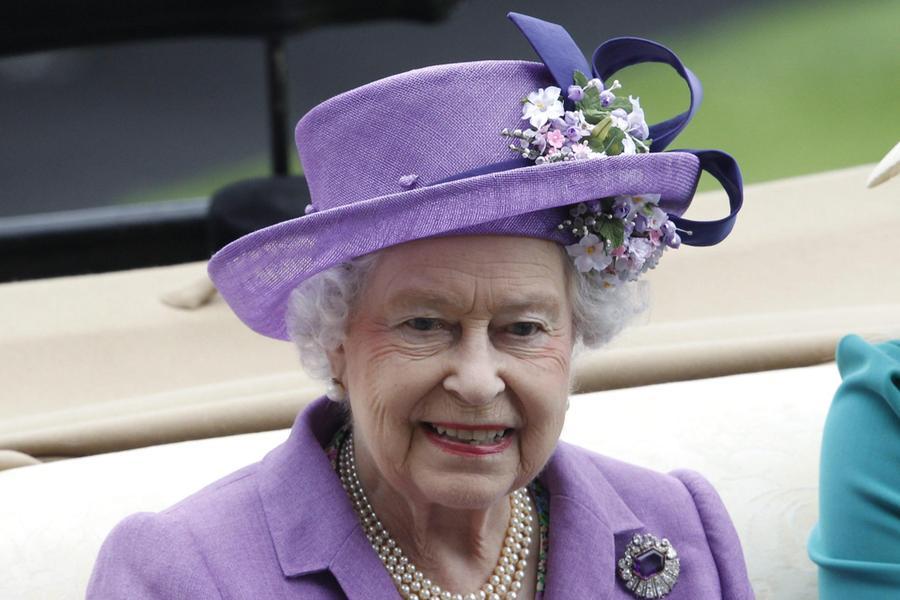




«How can I be seen if I’m dressed in beige?». If there is a phrase that explains Elizabeth II, perhaps it is this. Because the queen that the world remembers in a fuchsia, acid green or lemon yellow suit understood very well that power, today, also comes from image. And so the most controlled, most disciplined and least “pop” sovereign imaginable instead, she has become one of the most iconic figures of contemporary culture.
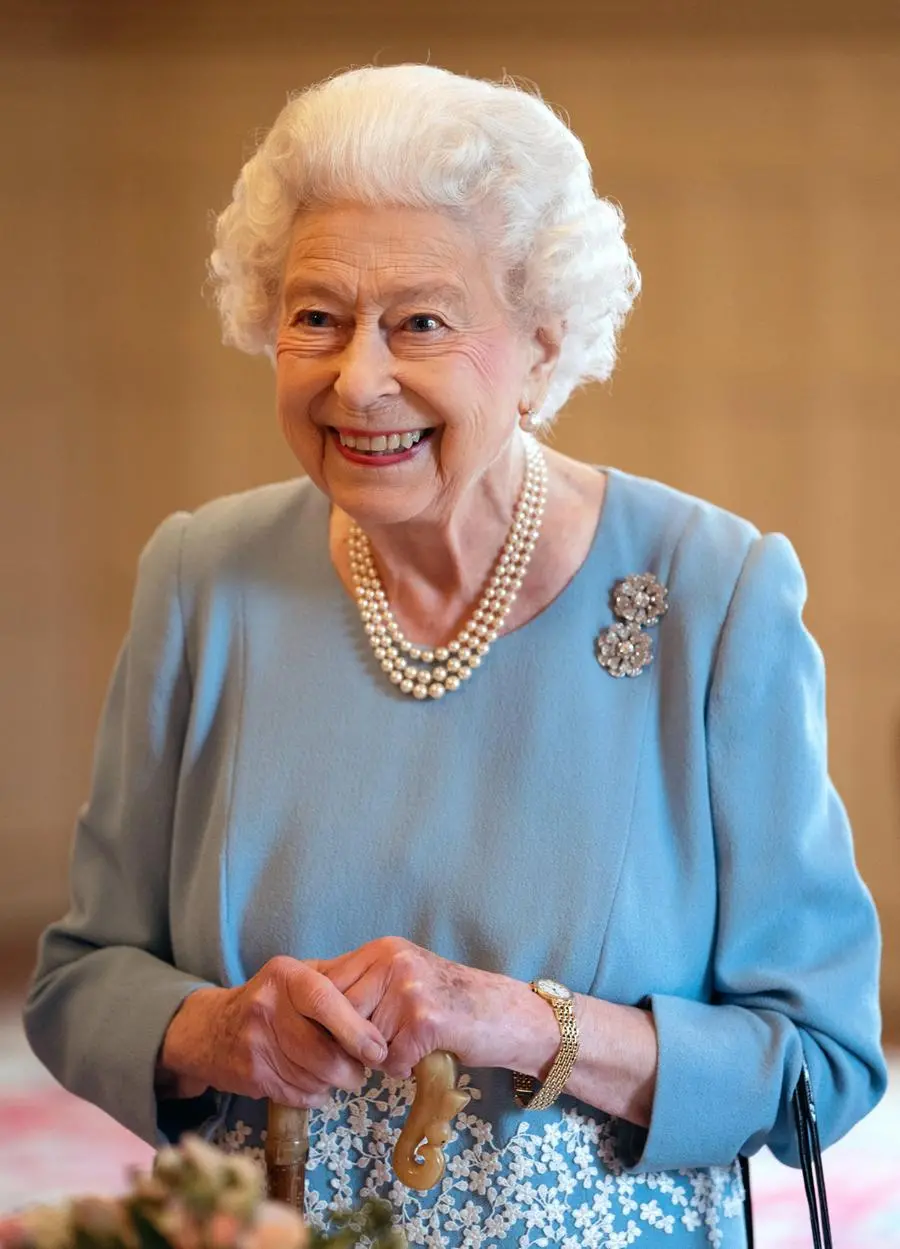
Today, one hundred years after her birth (21 April 1926) Elizabeth Alexandra Mary continues to be much more than a queen: he is a symbol, a character that now belongs to the global imagination.
The art of distance
Behind that joke about clothing, uttered with the usual British irony, however, there is much more than an aesthetic choice. There is a strategy: «She worked a lot on her image, she lent herself to playing with it», he observes Lavinia Orefici, expert in royal family and author of the volume Elizabeth II. From A to Z. But not only that. Elizabeth II never really got close to the public: she kept her distance, she kept the mystery, she defended her role as sovereign: «It was a way to preserve herself, but also to maintain that aura that surrounds her and the Windsors» continues the expert.
At a certain point, however, the queen stops belonging only to the monarchy and enters pop culture. It is 1977, the year of the Silver Jubilee (i.e. the 25 years of the reign of Elizabeth II) when the song God Save the Queen by the Sex Pistols transforms the sovereign’s face into a provocative image. The Queen’s official portrait, taken by Cecil Beaton, is reworked by artist Jamie Reid: his face is covered by writing, his eyes and mouth obscured and becomes one of the most powerful visual symbols of punk. From that moment, Elizabeth II is no longer just a queen: she is an icon.
Bond, the queen and the myth
In 2012, during the opening ceremony of the London Olympic Games, the queen lends herself to acting alongside James Bond, played by Daniel Craig, in a scene destined to remain in the collective memory. It’s surprising: a sovereign who has built her entire image on control agrees to play with herself in front of the world. «For a woman who led an exemplary life in the service of her country, of duty and of the institution, it was a further step towards myth», explains Orefici. «Also because, in a certain sense, James Bond is the queen’s “bodyguard”.», he adds.
Ten years later, explains Lavinia Orefici, that same register reappears in another moment that went viral: the scene with Paddington Bear (the little bear symbol of British culture) during the Platinum Jubilee celebrations in 2022. In a short video, the queen has tea with him and reveals that she hides a jam sandwich in her bag, just like the character. An ironic and surprising detail, which confirms a very rare ability: remaining faithful to the role, without giving up reinventing it.
The language of colors
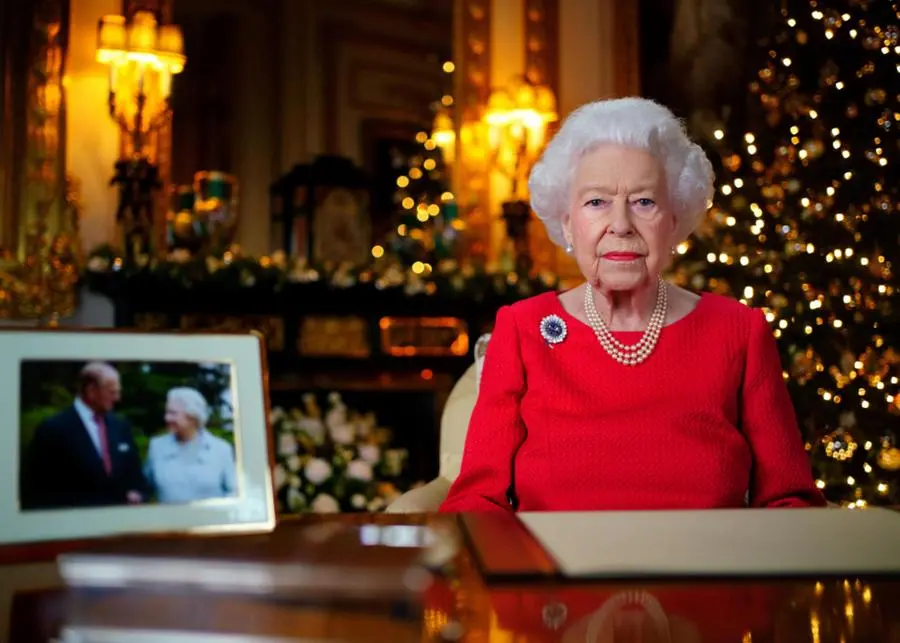
In this balance between rigor and image, the wardrobe plays a decisive role. In the 2000s, under the guidance of his historic collaborator Angela Kelly, it became a real visual language: bright colours, studied combinations, immediate recognisability which earns it the nickname “Rainbow QueenIt’s not just style: it’s communication.
But the myth of Elizabeth II is not built only through images. It is also the details, the habits, the little quirks that make her a recognizable character. Starting with two birthdays: the real one, on April 21st, and the official one celebrated in June with Trooping the Colour. «There is the real birthday of the sovereign and then the official one, the one that the country celebrates», explains Lavinia Orefici. «This custom was born for a very practical reason: if the sovereign was born in a winter month, it becomes difficult to organize outdoor celebrations. So it was decided to set a more favorable date, and it is a tradition that continues today.”
Curiosities about Queen Elizabeth II
Then there are the corgis, his dogs, inseparable since childhood. «The first arrives when Elizabeth is still a child, but the really important one is Susan, received for her 18th birthday», continues the expert. «From which a very long lineage was born, more than ten generations». Beloved dogs, to the point of almost becoming a personal signature of the queen. “He always ignored everything about them, even discipline: in the palace they said that they were very rude and that every now and then they bit their guests.”
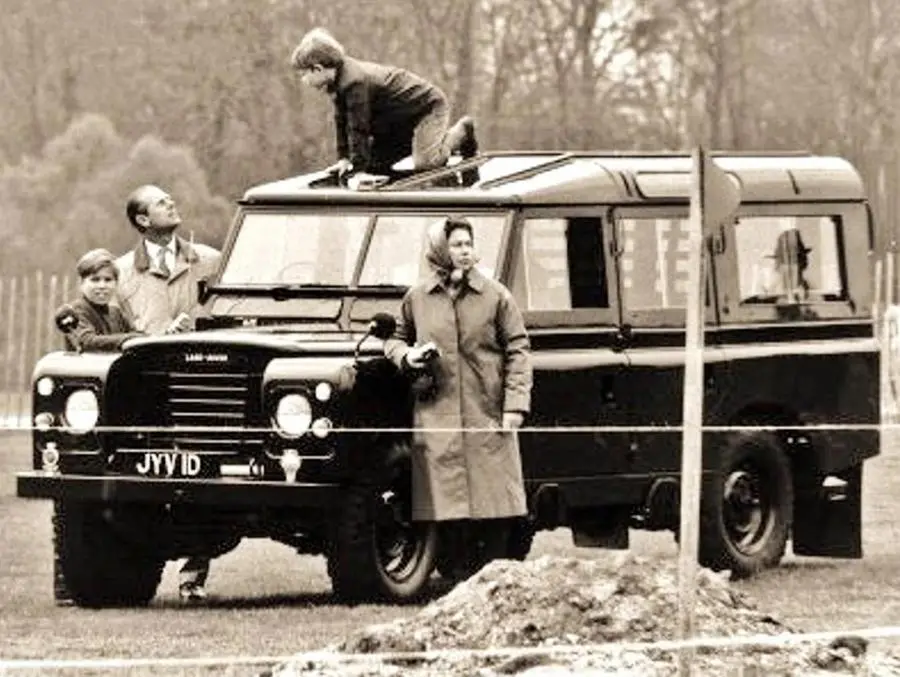
Finally, the small institutional paradoxes. Elizabeth II had neither a driving license nor a passport. «The reason is very simple», explains Orefici: «They are documents issued in the name of Her Majesty, so she didn’t need them». Yet he drove very well. «She had learned during the Second World War, when she enlisted as a volunteer and was also involved in transport». But even after that, he never lost the habit of driving: «At Balmoral he loved to show foreign guests around, and he drove very fast. One of his bodyguards he also told of a completely terrified Saudi prince».
Iconic, until the end
Even in recent years, Elizabeth II has continued to observe the world – and her family – with a clear, sometimes disenchanted gaze. «According to some reconstructions that have emerged recently, speaking about the marriage between Prince Harry and Meghan Markle, the queen would have confided in people close to her: it is not a question of “if” it will end, but of “when””, concludes Lavinia Orefici.
Whether it’s true or not doesn’t matter. One hundred years after his birth, Elizabeth II is not just the queen of records. He is a character who continues to live in the story: controlled and ironic, distant and familiar, institutional and pop. In a word: iconic.