






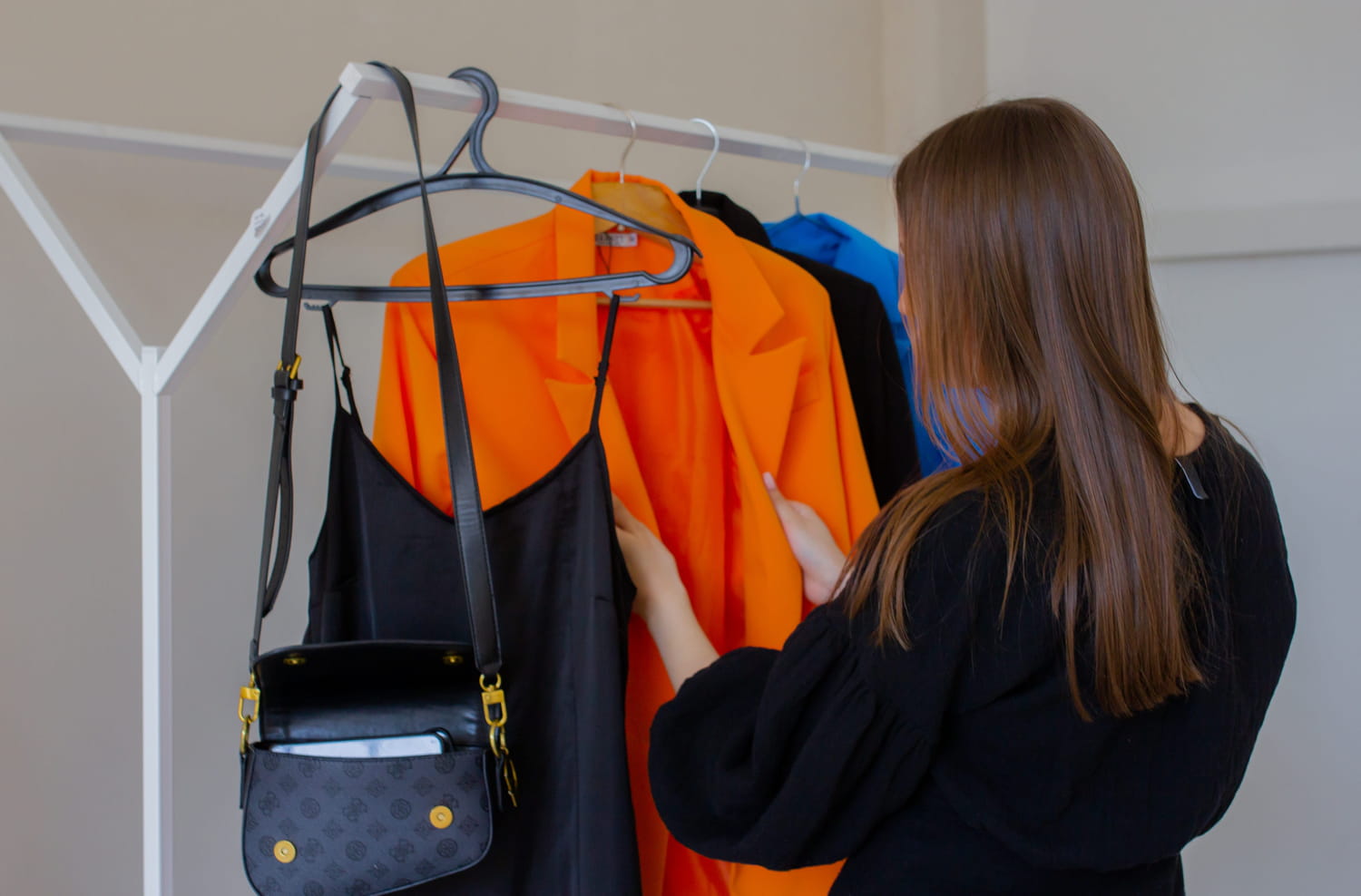
When you fall for a new trendy dress or the season’s it-piece, you simply think you’re giving your wardrobe a fresh look. However, a large study reveals that just over one in two women now adopt a very specific style reflex once the shopping session is over, without even realizing it.
Have you ever, when confirming your online basket, hesitated over the price of a pretty blazer before giving in and whispering a very specific little phrase to yourself? This mental calculation, which we often take for a personal trick, has in reality become a massive social phenomenon. A vast study carried out among 50,000 fashion fans across Europe has just deciphered our new habits and highlights a radical psychological change. Without us even realizing it, our way of buying new clothes has been completely colonized by a new reflex.
This surprising gesture consists of anticipating the end of the garment’s life even before having worn it. Now, 41% of us integrate this profitability calculation and study the resale value of a piece directly in store, when buying it new. Once the item has been acquired, the prospect of resale continues to dictate our behavior: 56% of buyers admit to taking much more care of their belongings, knowing that they will be able to offer them a second life on the internet. Clothing is no longer an ephemeral good, it has become a small piece of rolling capital that we jealously protect in order to part with it at the best price.
Behind this invisible revolution in our wardrobes lies a well-oiled mechanism, powered by the second-hand giant Vinted. In its latest Impact Report, the platform demonstrates that the application has become an automatic routine that also dictates our traditional purchases. In France, the reflex is so ingrained that 89% of buyers systematically check if the item of their dreams is available second-hand before considering buying new.
This new equation transforms the appearance of our cabinets. Knowing that the big sort allows you to recover a nice part of your stake. The proof is that no less than 10.8 billion euros returned to sellers’ portfolios last year and 78% of members are encouraged to declutter regularly.
But the most unexpected effect remains the evolution of the quality of what we wear. By freeing up budget, this virtuous circle allows 69% of users to access designer pieces or premium brands that they could never afford at full price. Already thinking about resale, French women have found the secret to offering themselves a much more quality wardrobe, without feeling guilty or breaking the bank.