






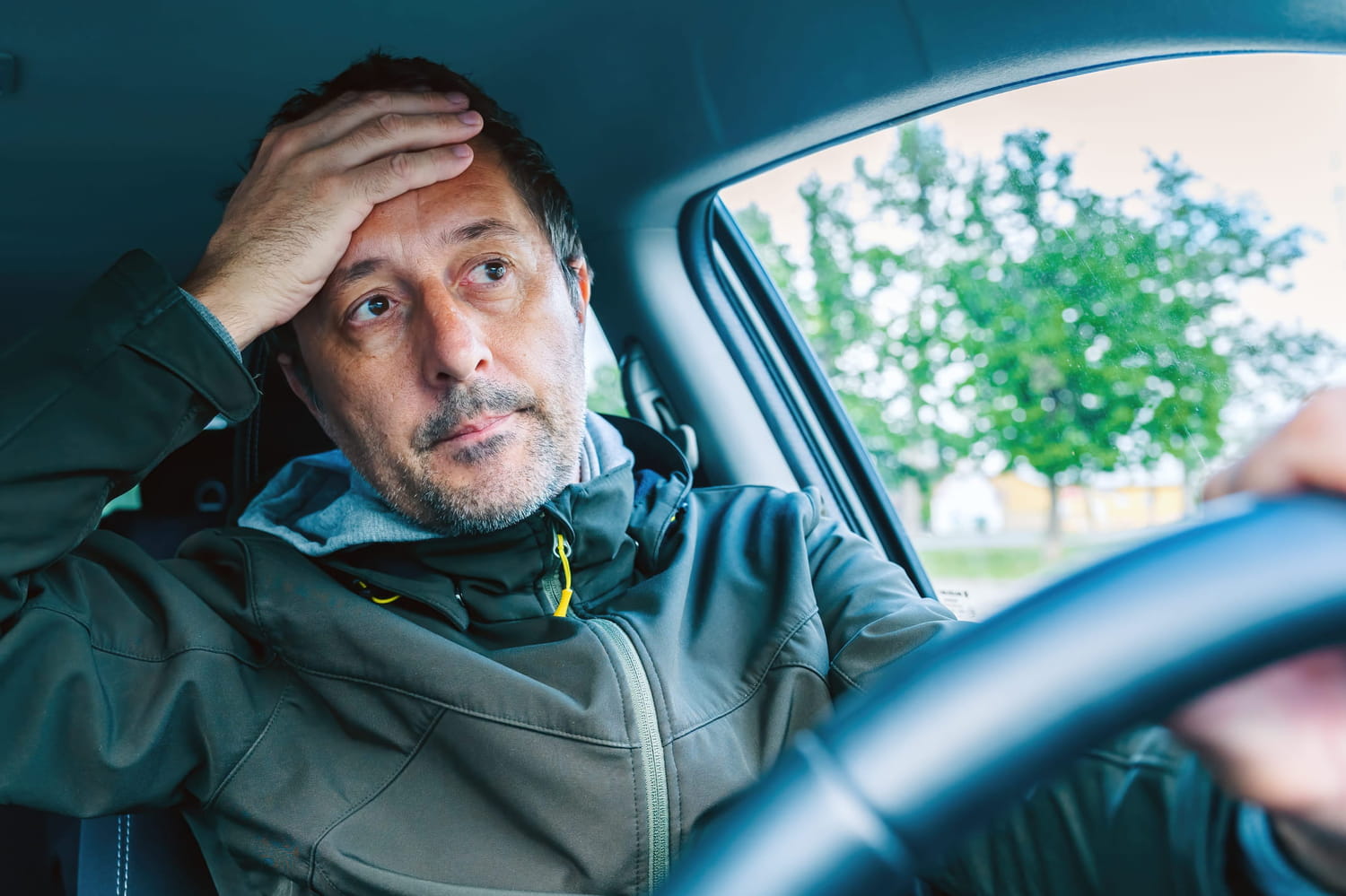
If you got your license more than 10 years ago, you have escaped the three dreaded questions asked to new drivers. Could you answer it without fail?
For a long time, the practical driving license test focused mainly on the control of the vehicle and the candidate’s behavior in traffic. But in recent years, the test has evolved to better reflect the concrete situations that a motorist may face on a daily basis. The objective is no longer just to check that we know how to turn, brake or move in correctly, but also to ensure that the future driver knows the right reflexes in the event of a breakdown, danger or accident.
Thus, since January 1, 2018, out of 100 questions, three are asked on the day of the practical B license exam. They relate to vehicle checks, road safety and first aid. Concretely, the examiner can ask the candidate to show a specific element of the car (for example the control of the lights, the location of the coolant or how to check certain warning lights) then follow up with a question related to safe driving and another on the actions to take in an emergency. Each correct answer earns one point, which can make the difference when it comes to the final result.
These questions have a very concrete scope. It is not a question of transforming candidates into mechanics, but of verifying that they are capable of fending for themselves in common situations. Knowing where the fog lights are, recognizing a brake light or explaining how to protect an accident zone may seem basic, and yet many experienced motorists today would be unable to respond correctly to all of these requests. Besides, do you think you would have had your license if you had to take it today? To find out, here is a quiz with some questions asked to exam candidates:
Among the 100 possible questions, we can cite those on checking tires, the use of hazard lights, the presence of a high visibility vest, or even what to do in the face of an unconscious victim. Others concern very simple actions, but useful in real life: opening the hood, locating the windshield washer reservoir, checking the status of a fire or knowing when to call the emergency services and what information to give them. So much practical knowledge that many discover when they get their license, but which they will then be happy to have assimilated on a rainy evening, on a motorway rest area or at the edge of a secondary road.
It is also a good reminder for the most experienced drivers. Having your license for ten, fifteen or twenty years does not mean that you have still mastered all the good reflexes, nor that you are aware of the developments in the exam and current expectations. The rules change, as do vehicle equipment, and certain notions of safety or first aid need to be regularly reviewed. When it comes to driving, experience is valuable, of course, but it never exempts you from learning or getting up to speed.