




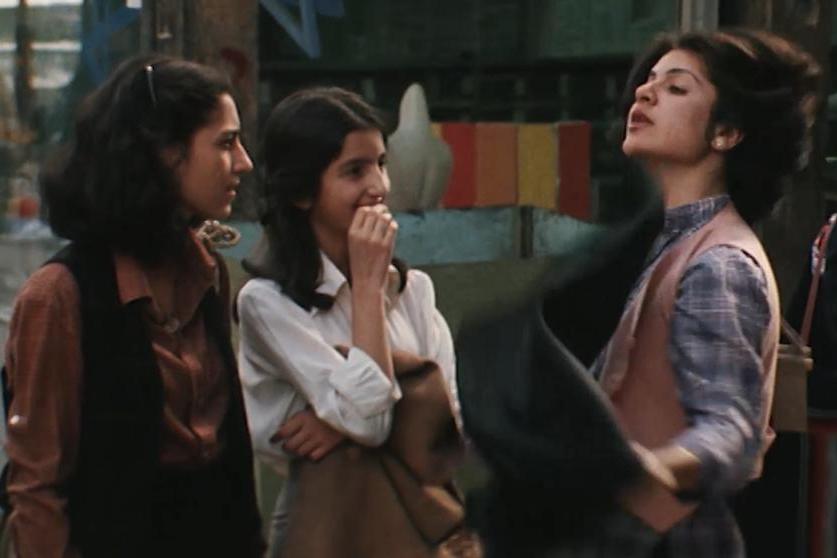
Women are scary: because they are a temptation, because they have too great a power, that of giving life, because men need it and this makes them vulnerable. This is how religious totalitarian regimes see women, which hide, humiliate, humiliate women as autonomous subjects, with their own thoughts, desires and drives, and for this reason they must be reduced to puppets, deprived of the capacity for self-determination. From the fall of the last Shah to today, a war has been fought in Iran on the skin of women, which in some cases has resulted in bloody repression that has traveled around the world, but which has always found resistance, sometimes silent, other times more striking. And she’s a woman, the director Raha Shirazi, who signed this documentary, A War on women which after a run in theaters, will tour Italy for evening events that will keep the spotlight on the violation of Iranian women’s freedom.

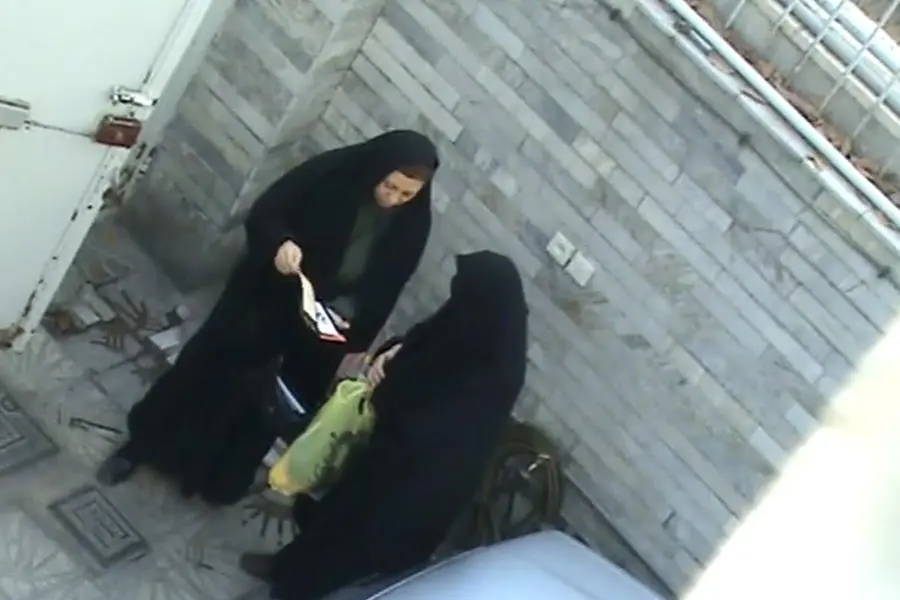
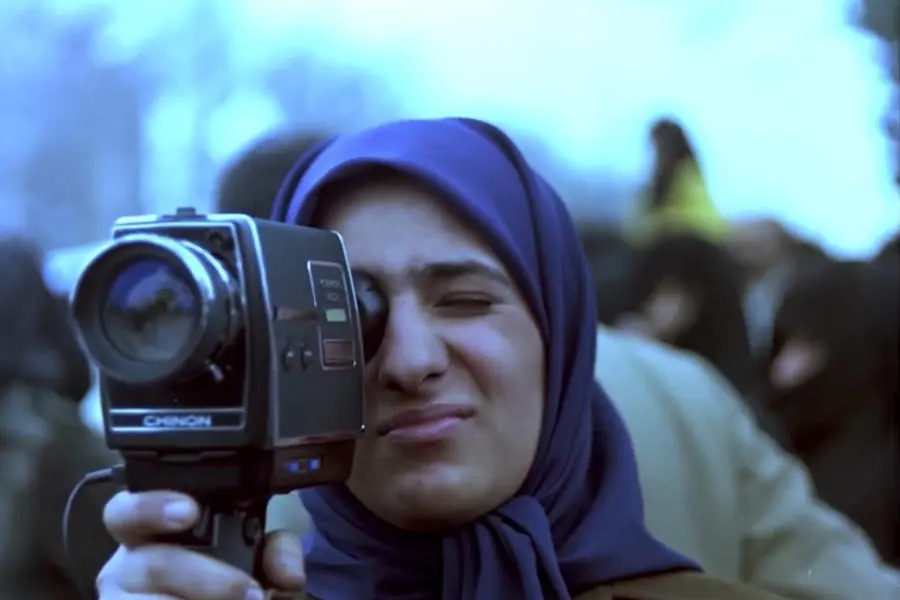
From the first demonstrations against the compulsory veil, after the Islamic Revolution of 1979, to the young women who risk their lives on the streets today, the film weaves together the personal and political journeys of seven extraordinary women through intimate interviews, rare archive materials and previously unpublished images, taken inside Iran. A precious material, often filmed secretly, with very strong scenes of ordinary men or police forces attacking women’s bodies with truncheons, whips, pushing, often aided by other women aligned with the regime
A War on Women follows the continuous thread of a resistance that was able to forcefully oppose imprisonment, torture and exile. With clarity, the film shows how women were the main target of the Islamic Republic, in a systematic attempt to silence them, to limit their public and political presence. Yet, precisely in response to this repression, from generation to generation, their voices have become increasingly stronger, more aware and more united over time.
The seven narrators are women forced to leave the country and only in this way can they speak openly about their experience, the persecutions, beatings, humiliations and incarcerations that they have suffered and that many of their other sisters continue to suffer. Almost all of them are moved when recalling what happened, and their testimonies are touching but lucid, heartbreaking and proud. I’m the actress Golshifteh Farahani, which we saw among other things in the film Reading Lolia in Tehran;

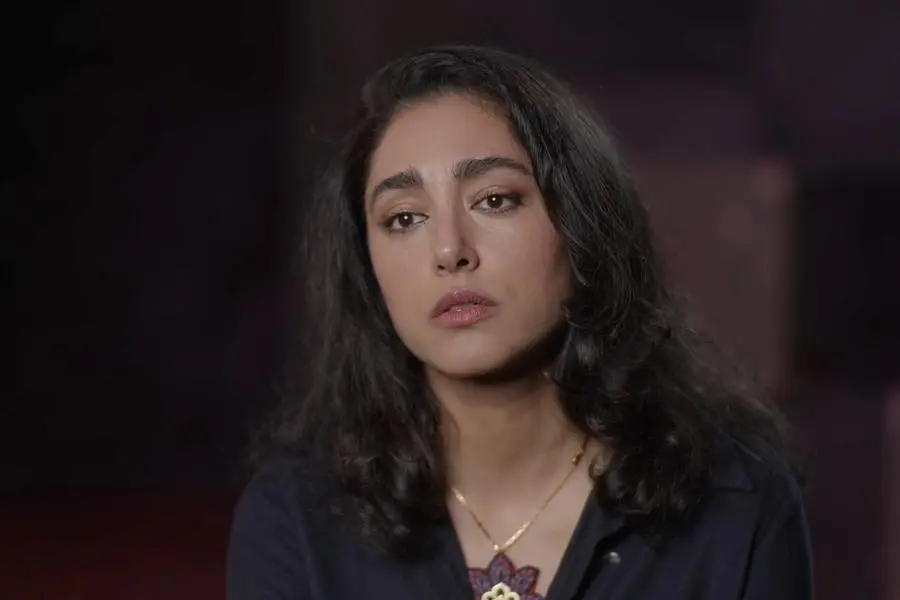
Shaparak Shajarizadehwho suffered the same atrocities that led to Masha Amini’s death, stopped by the “moral security police” who took her to the same Vozara detention center in Tehran and savagely beaten; Mahnaz Afkhami,Minister of Women’s Affairs in the pre-revolutionary Iranian government, living in exile in the United States since 1979;

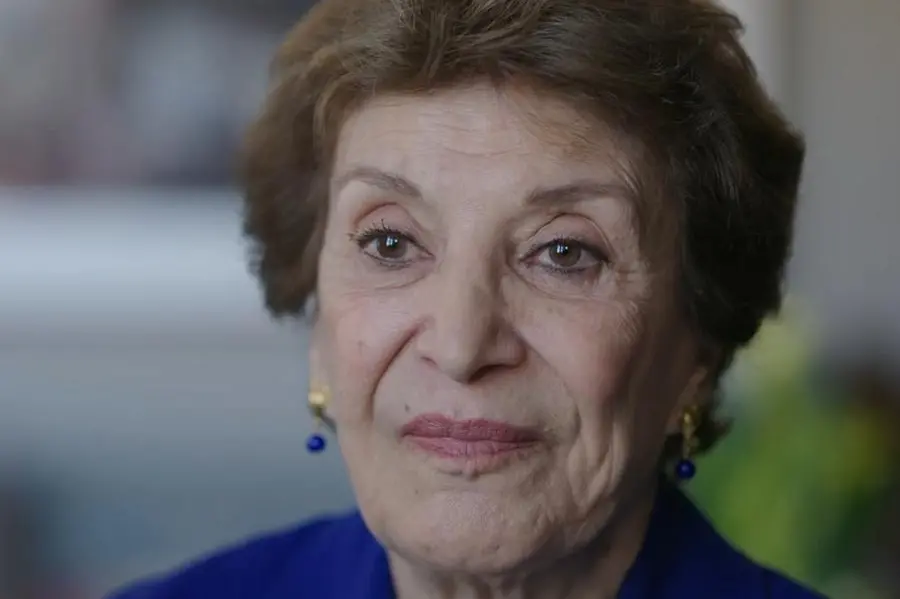
Asieh Aminipetessa and journalism, who lives in Norway and fights against the death penalty in general and in particular against the stoning of women and minors in Iran; Masih Alinejadpresenter/producer at VOA Persian Service, the Persian language section of the US government organ Voice of America, correspondent for Radio Farda, contributor to Manoto television and IranWire;

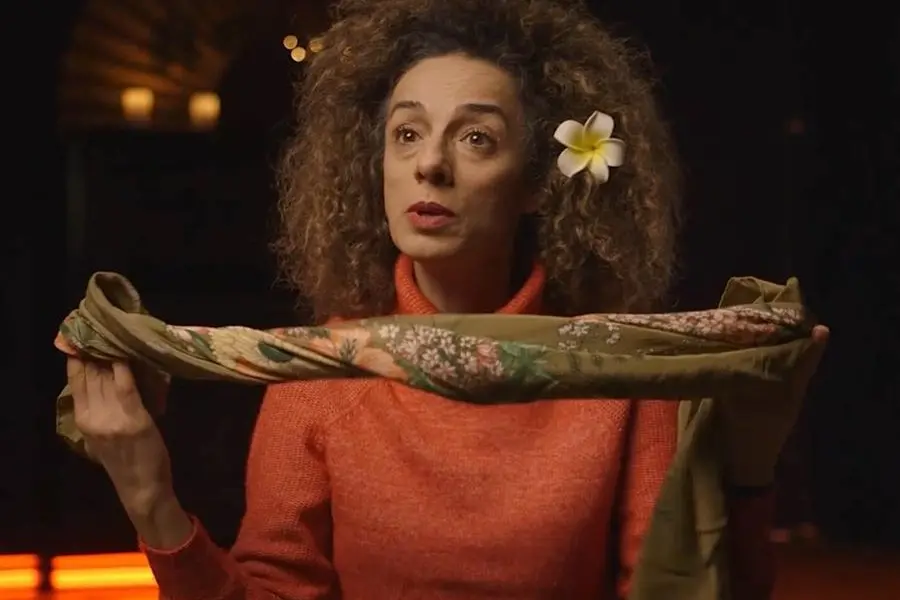
Azam Jangravione of the “Girls of Enghelab” during the Iranian protests against compulsory veiling, imprisoned and then fled to Canada. And finally Elahe Tavakolianwho lost an eye, hit by a rubber bullet during a demonstration against the Iranian government, and was then treated at San Raffaele Hospital.


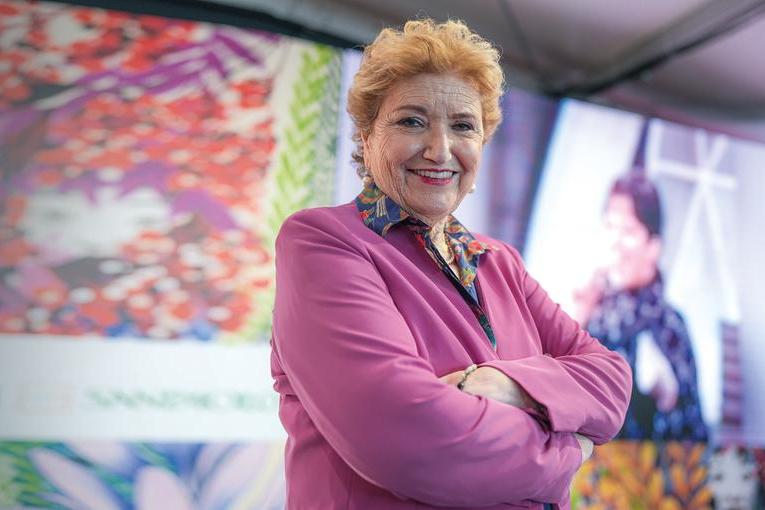
Director Raha Shirazi states: «I was ten years old when we were forced to leave the country. My mother lived away from Iran for the rest of her life. When she left us, at the age of fifty, we could not scatter her ashes in the Caspian Sea, as she would have liked. Exile is a permanent, unbridgeable distance that survives even death. Today that I also have two children, I wonder if I will ever be able to take them to the country where my grandparents are buried, to Iran where I lived as a child and which continues to live inside me… The film connects private memory to the collective history of Iran. It restores continuity to a resistance that has never been interrupted and which today is carried out by women. This is not an external observation. It aims to be an act of testimony and responsibility towards a community which, through decades of repression, exile and censorship, responds with courage, strength and determination to the push for freedom.”

Where to see it in the next few weeks
4 June – Pisa, Arsenale cinema – video connection with the Arsenale cinema, Pisa – 8.30 pm
7 June – Rome, Barberini cinema – q&a at the end of the screening at 11.00
8 June – Rome, Farnese cinema – introduction at 8.30pm with Riccardo Noury and post-screening Q&A
9 June – Rome, Lux cinema – post-screening q&a at 8.30pm
22 June – Rome, Azzurro Scipioni cinema, post-screening Q&A at 6.00 pm
25-28 June – Filming Italy Sardinia
July 11th – Salina Doc Fest
28 August – Arena Prato