



The first glimmers of peace are opening between the United States and Iran, with caution and many reservations, which remove, at least for the moment, the nightmare of a catastrophic energy crisis. Tehran has announced the reopening of the Strait of Hormuz to the passage of commercial ships until the end of the truce with the United States, set for April 21, “in line with the ceasefire in Lebanon”, as announced by the Iranian Foreign Minister, Abbas Araghchi. But with a warning: Tehran is ready to close it again if the US does not lift the blockade of Iranian ports.
Trump, for his part, responded that the naval blockade against Iran will remain in force until an agreement is reached with Iran, which the US president defines as very close, as most of the points of the agreement have been negotiated. According to Trumpo’s statements, the ayatollah regime would have accepted the suspension of the nuclear program and the transfer of the enriched uranium to the United States. But these reports were denied by Tehran.
Iran also announced the partial reopening of its airspace. Tehran’s State Civil Aviation Organization in its statement states that flights have been restored at some airports in the country. «The airspace in eastern Iran has been reopened to international flights. The other airports will be reopened gradually, based on the technical and operational readiness of the military and non-military sectors.”
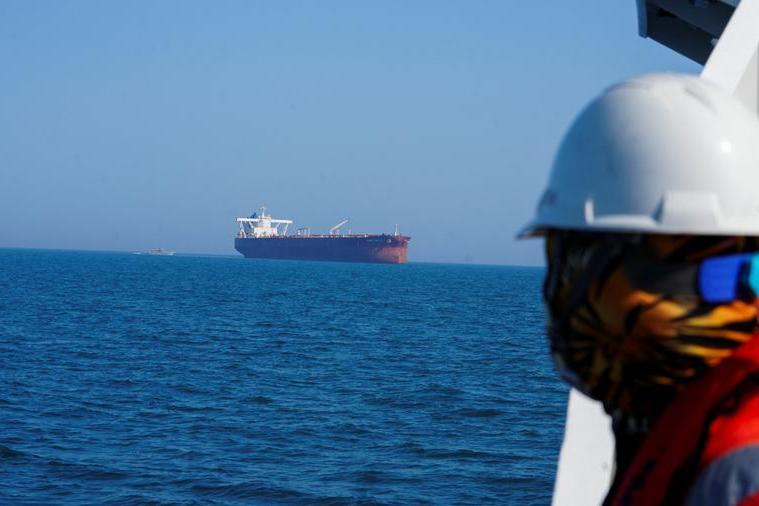
Meanwhile, in the Persian Gulf, satellite images are once again recording maritime movement. Tankers carrying oil, liquefied petroleum gas and chemicals have resumed transit through the Strait.
20% of the world’s oil passes through the Strait of Hormuz (and 15% of Italy’s energy needs) and its blockade immediately had a disastrous impact on many sectors of the global economy. In March the price of crude oil skyrocketed, petrol and diesel have undergone alarming increases. The international energy balance clearly depends on the Strait and the announcement of its reopening, albeit temporary, with the prospect of a gradual normalization of maritime trade, it brought a breath of international optimism and had immediate repercussions on the markets, immediately resulting in a drastic drop in the prices of energy products, oil and natural gas.
Even if the repercussions in the economic field, starting from bills and petrol pumps, will not be immediately evident and, according to economic analyses, returning to the situation before the outbreak of the war will take time, probably months. The biggest unknown remains that of supply for air transport: travel in the coming months remains at risk.