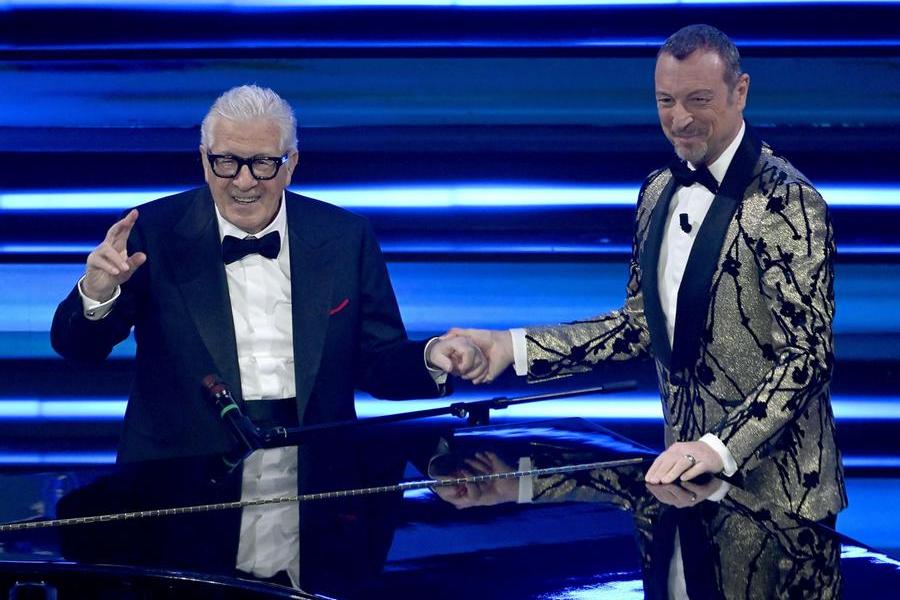
One of the most beloved voices of Italian music has passed away. Peppino Di Capri he died today, at the age of 86, after a long illness, in his beloved Capri, the island where he was born July 27, 1939 with the name of Giuseppe Faiella and to whom he remained linked throughout his life. Right there, in the summer of 2025, he wanted to greet his audience once again, appearing surprisingly on stage together with the Capri Rockers, the band led by his son Edoardo. It was the last gift from an artist who accompanied the soundtrack of the Italians for over sixty years.

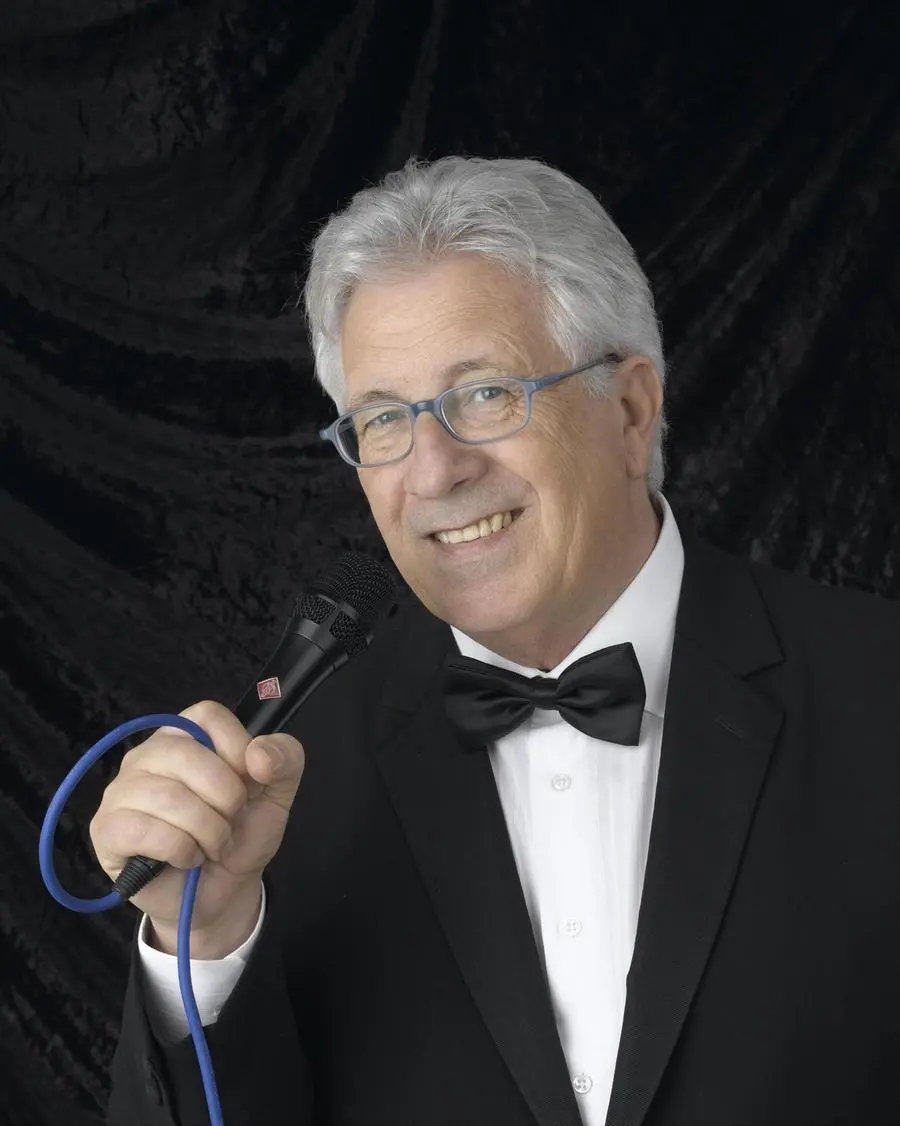
Peppino Di Capri passed away at the age of 87 after a very long career
(HANDLE)
With his piano, the soft crooner’s voice and a never ostentatious elegance, Peppino Di Capri has crossed the seasons of the country: from the economic boom to black and white television, from the Dolce Vita years to the new millennium. He sang about loves, summers, melancholy, but above all he knew how to do something that seemed impossible: take the great tradition of Neapolitan song and make it dialogue with American rock’n’roll, twist, jazz and international pop without betraying its soul.
As the journalist Marinella Venegoni wrote, «with him the Neapolitan song wore a miniskirt», a definition that has now become proverbial because it perfectly describes the silent revolution that it brought to Italian music.
The child prodigy who played for American soldiers
Music came into his life even before words. “I wasn’t even born yet, and I was already playing the piano in my mother’s belly,” he said in an interview. Born into a family of musicians, he had perfect pitch and at just four years old he was already performing for the American soldiers quartered in Capri after the Allied landing. General Mark Clark even asked to listen every weekend to that child prodigy who played overseas melodies by ear. It was precisely that meeting between the Neapolitan songs he heard from his mother and the American rhythms broadcast by the troops’ radios that marked his entire career. «I feel both the American and the Neapolitanizing vein in me. Since I was a boy I have searched for a perfect fusion between these two worlds”, he explained many years later.
The king of the Italian twist
Success came at the end of the 1950s. First with the modern reinterpretations of the Neapolitan classics, then with Let’s Twist Again, St. Tropez Twist, Roberta, until she became the Italian face of the new dance that came from the United States. When the Beatles landed in Italy in 1965, it was Peppino Di Capri who opened some of their concerts. An experience he remembered with irony: «I looked at their giant amplifiers and thought they were cabinets». In the golden years it came to hold approx 250 concerts a year and sold over 30 million records, establishing himself as one of the absolute protagonists of Italian pop music.
Falls and rebirth
His story, however, was not a long journey without obstacles. In the mid-sixties came the personal crisis, the end of his marriage to Roberta Stoppa and a period of artistic difficulty. The public seemed to have forgotten this. It was then that he chose to start over.
With his last savings he founded his own record company, Splash, and returned to believing in his music. The rebirth passed through the Naples Festival and then Sanremo.
In 1973 he won the Festival with A great love and nothing more, written with Franco Califano, and arrived in the same year Champagnedestined to become one of the best-known Italian songs in the world. A success born almost by chance. Di Capri himself said that initially the song did not seem intended for him and that the real exploit came months later, when it was realized that it had become the most played piece in Italian piano bars.
Yet that success almost ended up haunting her: «When I go to any theater they start shouting “Champagne, Champagne”… Champagne is for the greeting», he confessed amused.
An artist who remained faithful to his roots
Unlike many colleagues, Peppino Di Capri never really left his homeland. He chose to live between Naples and Capri, giving up moving permanently to Milan or Rome to pursue the record market: «I stayed here. I love these places too much. I’m basically a romantic.”he explained. And he said that his songs continued to be born while looking at the Gulf of Naples and the Faraglioni from the window of his house.
Love, family and discretion
After his difficult first marriage, he found stability alongside the biologist Giuliana Gagliardi, married in 1978 and who remained at his side until his death in 2019. With her he had two children, Edoardo and Dariowho were added to Igor, born from the first marriage. Even in interviews he spoke about love with a sobriety far from the clichés of stardom. «If you really love, you give up the escapade. But it is not a sacrifice”, he once said, explaining how loyalty was a choice of freedom and not a renunciation.
Faith lived with confidentiality
Peppino Di Capri has never made his faith a public issue, nor has he built a media image around it. However, in several interviews he let it emerge a simple religiosity rooted in the popular tradition of his island, made up of devotions, respect for family values and gratitude for the gift received through music. Those who knew him have always described him as a shy man, far from the excesses of entertainment, deeply tied to his family and his land, elements which also represented the human terrain of his spirituality.
The last great romantic
In fifteen participations in the Sanremo Festival, two victories, dozens of successes and a career spanning over six decades, Peppino Di Capri told of an Italy that was changing without ever losing its taste for melody.
When they asked him which song he was most fond of, he didn’t choose Champagnebut My white hair, the song in which he looked at his life with serenity: «I lined up all my memories. Ultimately there isn’t much to change.”
Perhaps this is the most authentic synthesis of his human and artistic parable. A musician who never chased trends, but knew how to navigate them all. A man who brought rock into Neapolitan song without taking away its soul. And who, until the end, continued to look at the sea of Capri as the place where it all began.