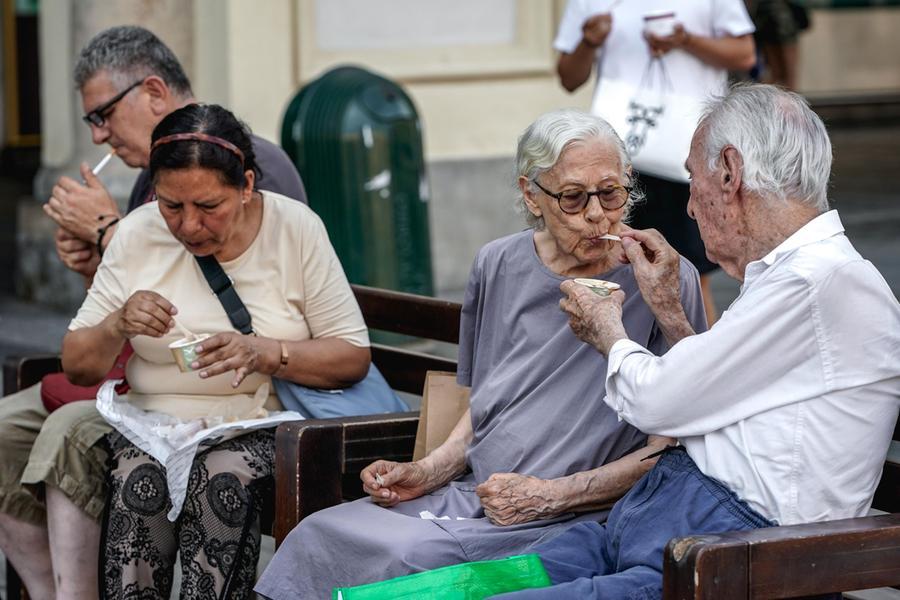
In an unwanted coincidence with the heat wave, Censis presented the report in recent days: “Aging in the Italy of longevity”, with the results of a study dedicated to evaluating the condition of the elderly. Meteorology helped focus attention on the data, which would have been dramatic even if it had been accompanied by warmer temperatures. The first aspect of the Report indicates that 36.6% of the over 65s interviewed say they need some help in daily life. Although generic, the data shows that in more than a third of elderly people there is awidespread uncertainty, lack of confidence in the future, the desire to be listened to and accompanied. It is the sad sign of a community that does not guarantee protection, tranquility, serenity, beyond the specificity of the need and health condition.
We cannot look at this fact with a neutral eye; the writer, and anyone who has a peaceful community at heart, feels the weight of personal and collective inadequacy. Scenarios of violence, pain, difficulty in living and poverty particularly impact those of advanced age (a quarter of citizens) and spread a sense of fear and concern. This data from the Report must be read together with that according to which 82.8% of elderly people indicate having to depend on others in the future as their greatest fear. One feels the profound need to be accompanied (and sometimes assisted) and, at the same time, one experiences with anguish the possibility that this request will go unanswered and that, therefore, the elderly person will have to face the future alone. Furthermore, everything becomes even more painful because 29.5% of elderly people live alone, a condition which in itself induces suffering.
Overall, these findings describe a scenario that is a source of concern for those who would like a perspective of brotherhood to accompany the lives of everyone and, in particular, of elderly people, alleviating their crises, suffering and practical difficulties.
The Censis Report does not describe hopeful scenarios; however, demographic and epidemiological data must not block the generous commitment of individuals and politicians. The problems are enormous, however throughout history we have many times overcome successive crises.
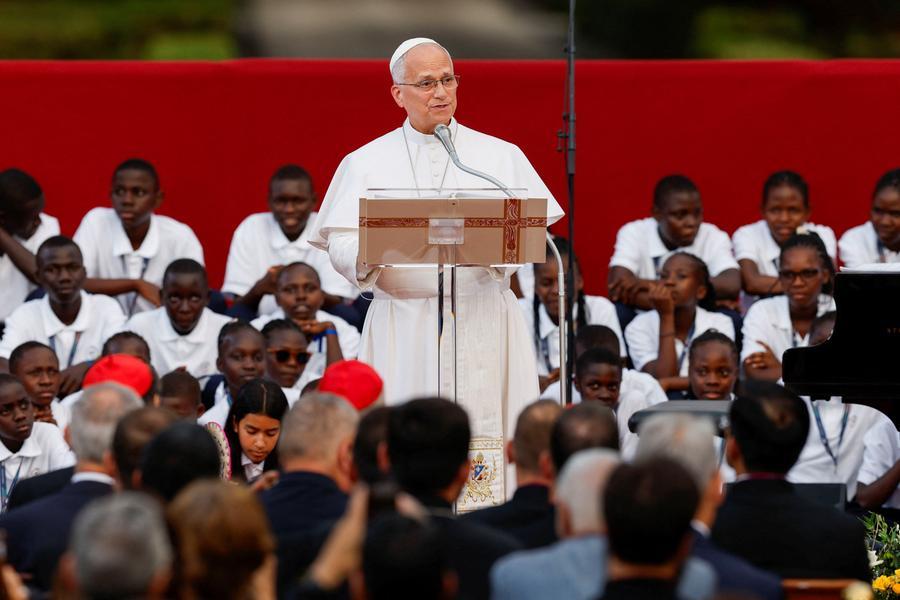
In this perspective the teaching of Pope Leo XIV is important: progress is, for those who believe, a gift of Providence. Today we believe that artificial intelligence is a valuable answer to address the serious problems posed by the frailty of the elderly. We must hope that the crisis induced by modernity can be defeated by tools that humanity itself is capable of building. Humanity and technology must walk together to help frail elderly people.