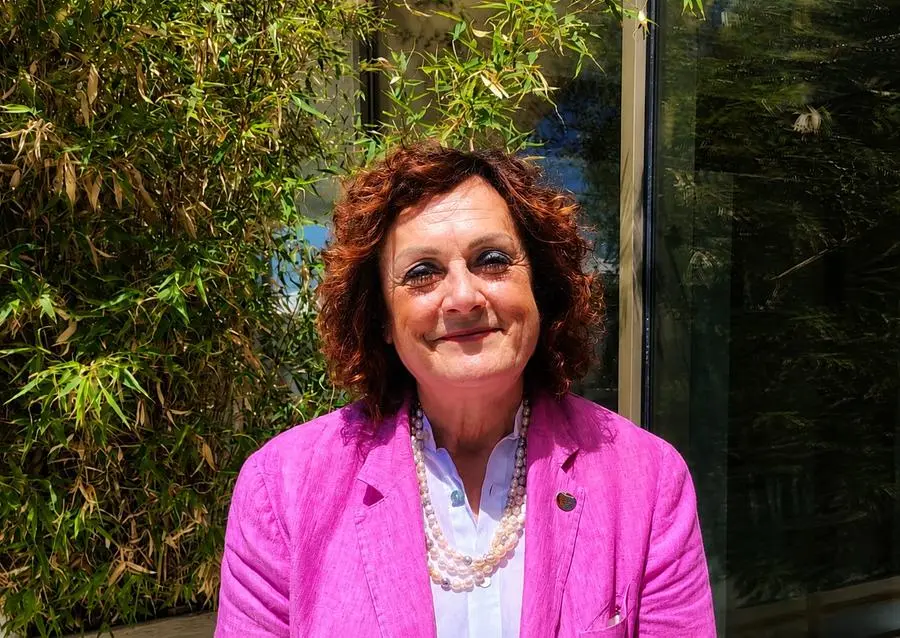
When home birth is mentioned, many turn up their noses, perhaps because it is mostly mentioned in conjunction with tragedies, as in the case of the little girl who recently died in Udine. The comparison is, however, misleading. Death cannot be compared to the setting of birth: the causes can be multiple and of a different nature. «Home birth is a safe option if supported by adequate preparation, qualified assistance and a system capable of intervening quickly in case of complications”he says Silvia Vaccariat the head of the National Federation of Orders of the Midwifery Profession. In Italy, home birth is strictly regulated, limited to selected contexts and guaranteed by competent healthcare facilities. «Today in our country it is still a not very widespread practice, more or less known depending on regional sensitivities and regulations, but it is a valid option for women with low-risk pregnancies», says the president of the Italian midwives. According to CeDAP data – the Birth Assistance Certificate, provided by the Ministry of Health – in 2020, home birth was chosen by approximately 0.12% of women, while in 2021, thanks to factors related to the pandemic, the percentage rose to 0.15%. A minimal share of overall births, but growing in percentage.
What does home birth consist of?
«In childbirth in one’s own home, in the presence of at least two midwives with training in neonatal and adult resuscitation, and with specific experience in the domestic setting».
Who can consider it?
«Home birth is reserved for pregnancies considered low risk. There are some health parameters of the woman and the unborn child, preconception and gestation, which require careful evaluation by midwives. Women with previous caesarean sections, significant maternal pathologies such as preeclampsia or heart disease, twins, abnormal placenta or fetal defects which may require immediate specialist assistance cannot access home births. Only in the presence of a single pregnancy, cephalic presentation and absence of complications can it proceed, after specialist evaluation, even when conditions such as gestational diabetes or group B streptococcus are found.”
How do you proceed in practice?
«Acceptance must take place within the 32nd week of pregnancy. From the 37th week and up to one week after childbirth, the midwives guarantee 24-hour availability. At the time of labor, immediate contact is expected with the obstetrics and neonatal department of the nearest hospital, which must be reachable in no more than 30 minutes, in order to guarantee timely interventions in the event of an emergency.”
Are all homes suitable for home births?
“No. We were saying, in fact, that you must be able to reach the relevant hospital from your home within 30 minutes. And then we need to evaluate the specific situation and ask ourselves whether, if necessary, transport to hospital would be easy and feasible? An apartment on the fourth floor without a lift, just to give an example, would not be suitable.”
Who is responsible for deciding the place of birth?
«To the woman, who in her self-determination chooses where to give birth, with whom to give birth and in what way».
Is home birth provided for by the National Health System?
«It depends on the Regions. Piedmont, Emilia-Romagna, Marche, Lazio and the autonomous provinces of Trento and Bolzano have activated agreements with the National Health Service to make home birth more accessible. Some local health authorities – such as those of Turin, Reggio Emilia and Modena – offer free or partially reimbursed services. However, regional coverage remains fragmented and the partial reimbursement can discourage many couples, especially from an economic point of view.”
And in the Regions where there is no specific legislation?
«Where there is no law, the regional guidelines or the relevant associations guide the work of midwives. The midwife who follows the couple privately should activate 118, communicating where the birth is expected and the nearby hospital.”
What drives a woman to give birth at home?
«Home birth is considered a natural experience. Often this is desired due to the need to feel welcomed, respected and followed in a personalized way. During pregnancy and childbirth, safety and humanization of the process should always go hand in hand.”
What are the health outcomes for women and newborns after a home birth?
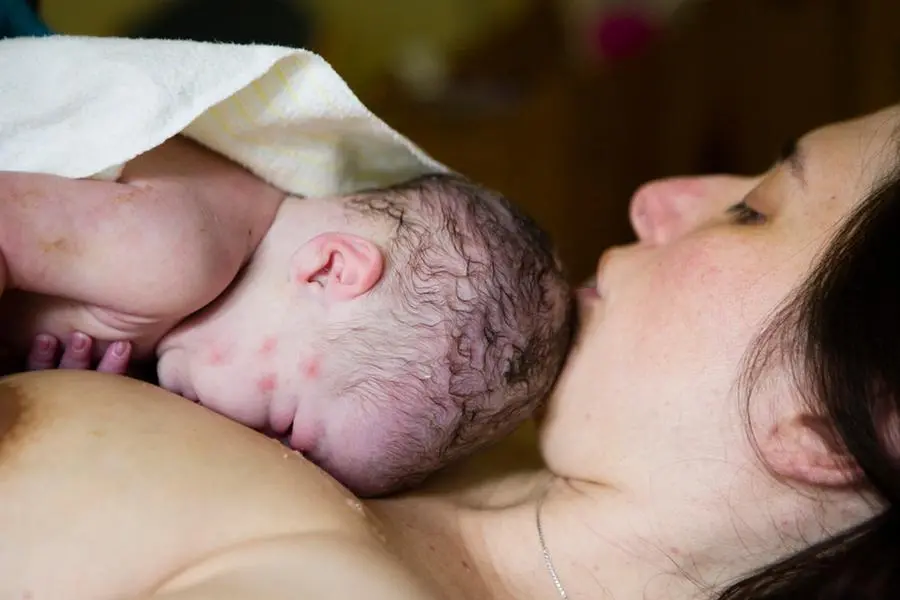
«When the pregnancy is physiological the outcomes are excellent. During pregnancy, being able to count on the continuity of care from midwives is reassuring. After giving birth, being able to always keep the baby with you and be in your family environment promotes peace of mind for mother and baby and the start of breastfeeding. The little ones immediately get used to the environment, also integrating into it on a microbiological level. I myself had opted for home birth for my children: a choice I would make again. In my 46 years of profession, for 12 years I have dealt with home births as a midwife for the national health service: the preparation, experience, competence and promptness that are acquired through experience are very important. I have followed 220 home births: nothing should be left to chance, but seeing life born is the most beautiful thing that can happen.”