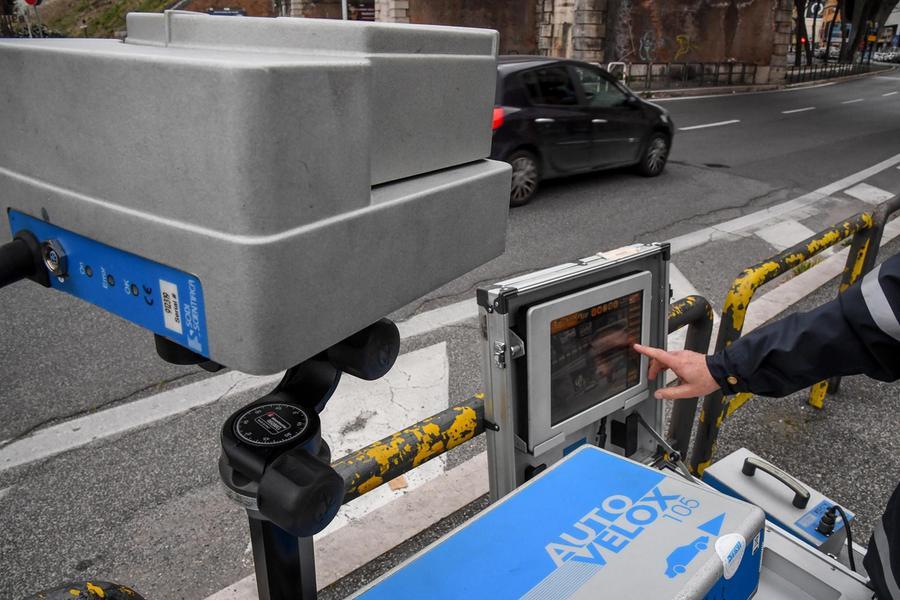
From 12 July the rules for speed cameras in Italy will change. After more than thirty years of waiting, the decree of Ministry of Infrastructure and Transport which organically regulates the approval of speed control devices, introducing precise criteria for their authorisation, calibration and periodic checks. The declared objective is to provide clarity in a sector that in recent years has been at the center of numerous appeals and a heated debate between road safety needs and disputes over fines.
Which speed cameras can remain in operation
According to the Ministry of Transport, they can continue to be used approximately 3,150 speed cameras, deemed compliant with the new requirements established by the decree.
Another 850 devices, however, will have to be deactivated until the manufacturers complete the approval procedure required by the new legislation. In practice, approximately one in five speed cameras can no longer be used to raise fines, at least until the administrative process is completed.
What does “approval” mean?
The central point of the reform concerns approval. The Highway Code has provided for it since 1992, but until now there was no technical procedure that defined the methods and requirements. For this reason the Ministry had only issued approval measures over the years.
The Court of Cassation, with a series of rulings culminating in order no. 10505 of 2024, however clarified that approval and approval are not the same thing. Hence the need to fill the regulatory gap.
The new decree establishes that some models already approved are considered compliant with the new requirements and therefore “are considered approved”. However, this is not a check carried out on each individual device: the approval concerns the prototype, while each device installed must comply with a series of technical conditions.
Mandatory calibration every year
In essence, in order to be used, each speed camera must:
- belong to an approved model;
- be regularly registered on the Ministry portal;
- be calibrated before entry into service;
- pass a periodic check at least once a year.
If the certification expires or the technical control is not passed, the device must be deactivated immediately.
The decree also introduces greater guarantees on the processing of collected data: photographs and surveys will have to be encrypted and digitally signed, while in frontal images people’s faces will be obscured to protect privacy.
The positions compared
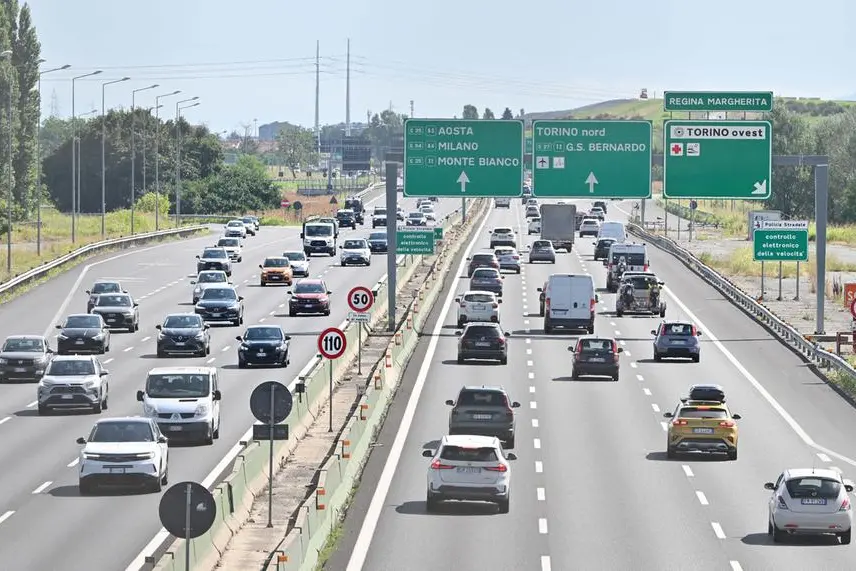
The Minister of Transport Matteo Salvini speaks of the end of the “speed camera jungle” and claims that the provision eliminates the so-called “phantom speed cameras”, used more as a tool to make money than to guarantee safety. Many associations involved in road safety have a different opinion. Giordano Bisernipresident of Asaps, fears that turning off hundreds of devices could reduce checks during the summer exodus, while Luigi Altamuracommander of the local police of Verona and ANCI contact person for road safety, invites us to avoid spreading the message that we can now race without consequences. In fact, the available data shows how speed control systems, particularly those on motorway sections, have contributed over the years to reducing both the average speed and the number of fatal accidents.
Legal doubts remain
The entry into force of the decree may not definitively close the dispute. Some jurists in fact observe that the Supreme Court has clearly distinguished between approval and approval and believe that a ministerial decree cannot modify the provisions of the Highway Code.
For this reason, it is possible that appeals will continue before the judges, called to establish whether the new provisions are sufficient to overcome the critical issues highlighted by the jurisprudence.
What motorists need to know
For those who drive, one aspect above all changes: fines can only be increased by speed cameras that comply with the new requirements established by the law. The advice, however, remains the same as always: respect the speed limits not only to avoid penalties, but above all to reduce the risk of accidents. Beyond the controversy over control tools, excessive speed continues to represent one of the main causes of mortality on Italian roads.