From the Viareggio prize to school programs, the novel I’m not afraid (2001) by Niccolò Ammaniti can be defined as a contemporary classic. A dazzling story, which takes us to an indistinct location in Southern Italy in 1978 (the year of the World Cup in the Argentina of the colonels, won by the hosts, with Italy finishing fourth), at a time when kidnapping children for the purpose of extortion was a consolidated practice. A story that, however, is seen from the eyes of a child, who finds himself discovering how the adult world can have a double face: that of affection, of protection, but also that of an unsuspected and intolerable ferocity.
Gabriele Salvatores in 2003 he made a very beautiful film, entrusting his friend Abatantuono with the role of the man from the North, ruthless and unscrupulous, who involves an entire town, including Michele’s parents, in a cruel plan.
A powerful story, which has a lot to say even outside the Italian borders. And which has now become a Mexican TV series, available on Netflix for a few days which moves the story to a coffee plantation in Mexico 1986. Another World Championship, this time in Mexico, but again won by Argentina. Mexico stopped in the quarterfinals, a phase that saw Argentina challenge England in a famous match that rekindled the never-dormant rivalry between the two states and which had been reinvigorated by the Falkland Islands affair in 1982. Argentina won with a brace from Diego Armando Maradona: the first goal, hand-held but validated by the referee, went down in history as the “mano de Dios”. The second was so incredible that it was called the “goal of the century”.
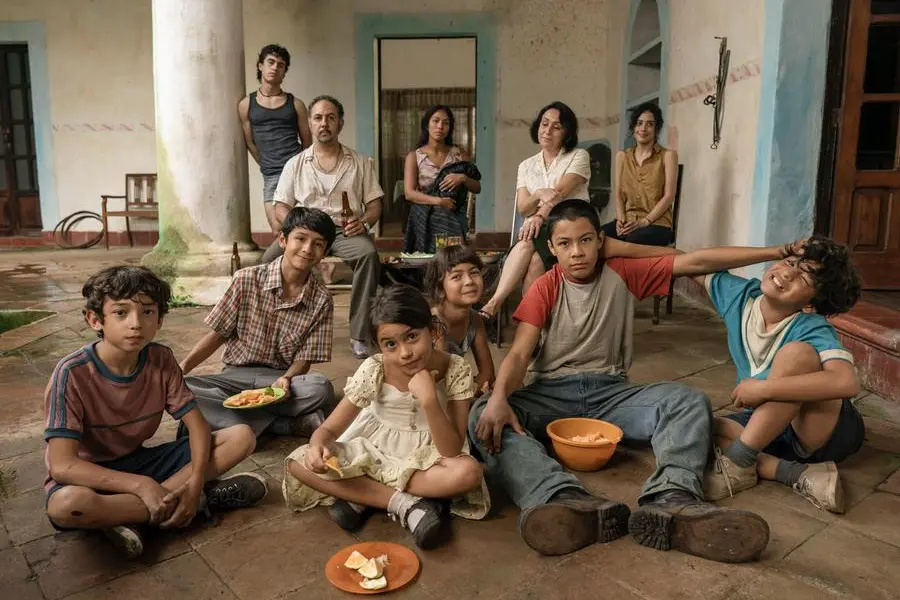
And they are right the reports of the World Cup matchesas well as the passion of children and adults for the game of football, the underlying theme of a story in many respects faithful to the original one (starting from the names: the child protagonist is Miguel, his little sister Maria, his father Pino, the kidnapped child is Felipe and so on).
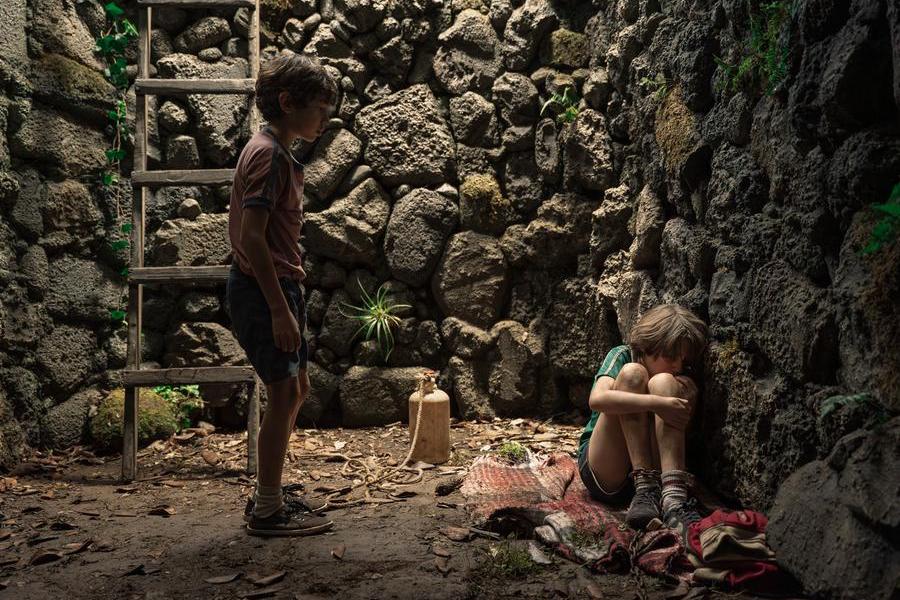
The eight-episode series is set in a coffee plantation that was once thriving, but which an illness has rendered unproductive, causing the abandonment of all the farmers except a few families, who continue to live in a village between fields and a forest, among abandoned buildings, poverty and the desire for redemption. Within this scenario the crazy plan to kidnap the son of an entrepreneur is born for which Pino, Miguel’s father, works as a truck driver.
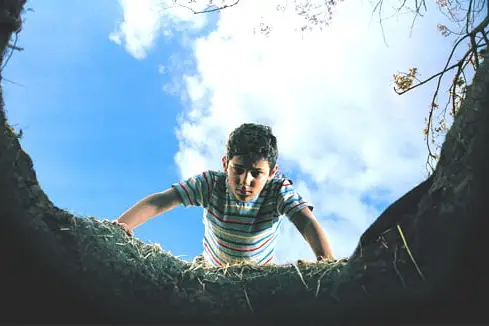
The setting is fascinating, and the beginning is dazzling moment in which Miguel discovers by chance, while trying to retrieve a ball, that in a hole in the ground a peer is tied to a chain and fed with spoiled food. The need to dilute the story into eight episodes, with a narrative that alternates between past and present, and which gradually leads Miguel and the viewer to understand how Felipe ended up in that hole, and that his beloved and lovable parents are behind that absurd and inhuman situation, ends up weakening the strength of the story with useless and often incomprehensible scenes on a narrative level. Totally inserted from scratch, for example, the story of Felipe’s family and the clumsy police investigation, which we would not have missed
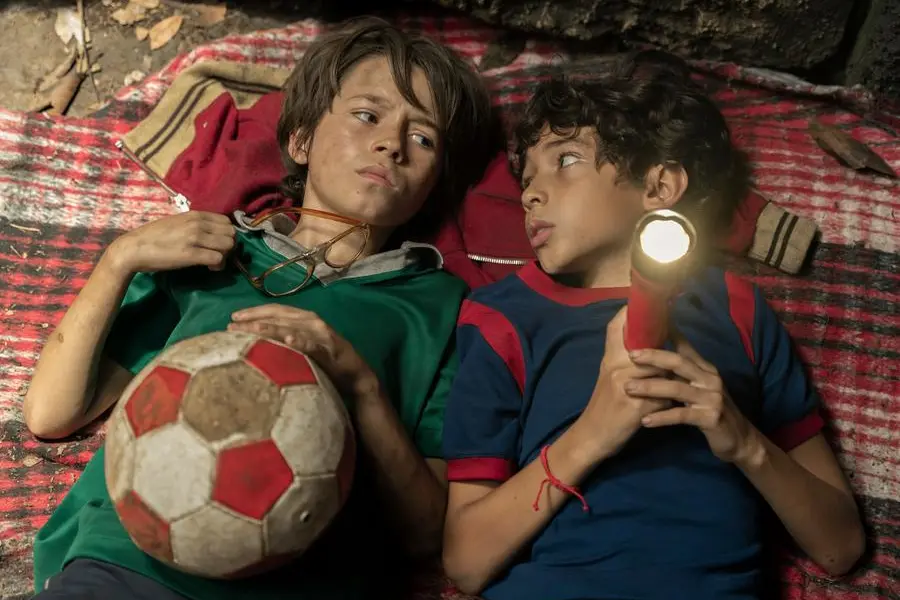
The jailer here is a young drifter and alcoholic, with sadistic traits, to whom the other farmers involved entrust the kidnapped child without knowing that he would reduce him to that state. More telenovela than “cannibal” novel, it features less than credible characters: too beautiful, too loving, more stupid than bad, and leaves the gang of children a whole part more suited to family adventure films.
The strength of Ammaniti’s novel instead lay in being dry, ferociously ambiguous, where not everything was explained, because it was really Michele’s point of view that supported the narrative. And Salvatores had partly maintained this essentiality, focusing on barren and sunny scenarios, and with an eye on Steheph King in Stand By me staged by Rob Rainer.
Of the cast, certainly the most convincing interpretation is that of little Miguel, with his amazed eyes, his thin legs, his recklessness and above all that idea so genuine and rooted in him of the difference between good and evil, which does not accept compromises, and of the sense of absolute loyalty that exists in friendship between children, cemented by a ball and an album of stickers and which goes beyond class differences and skin colour.