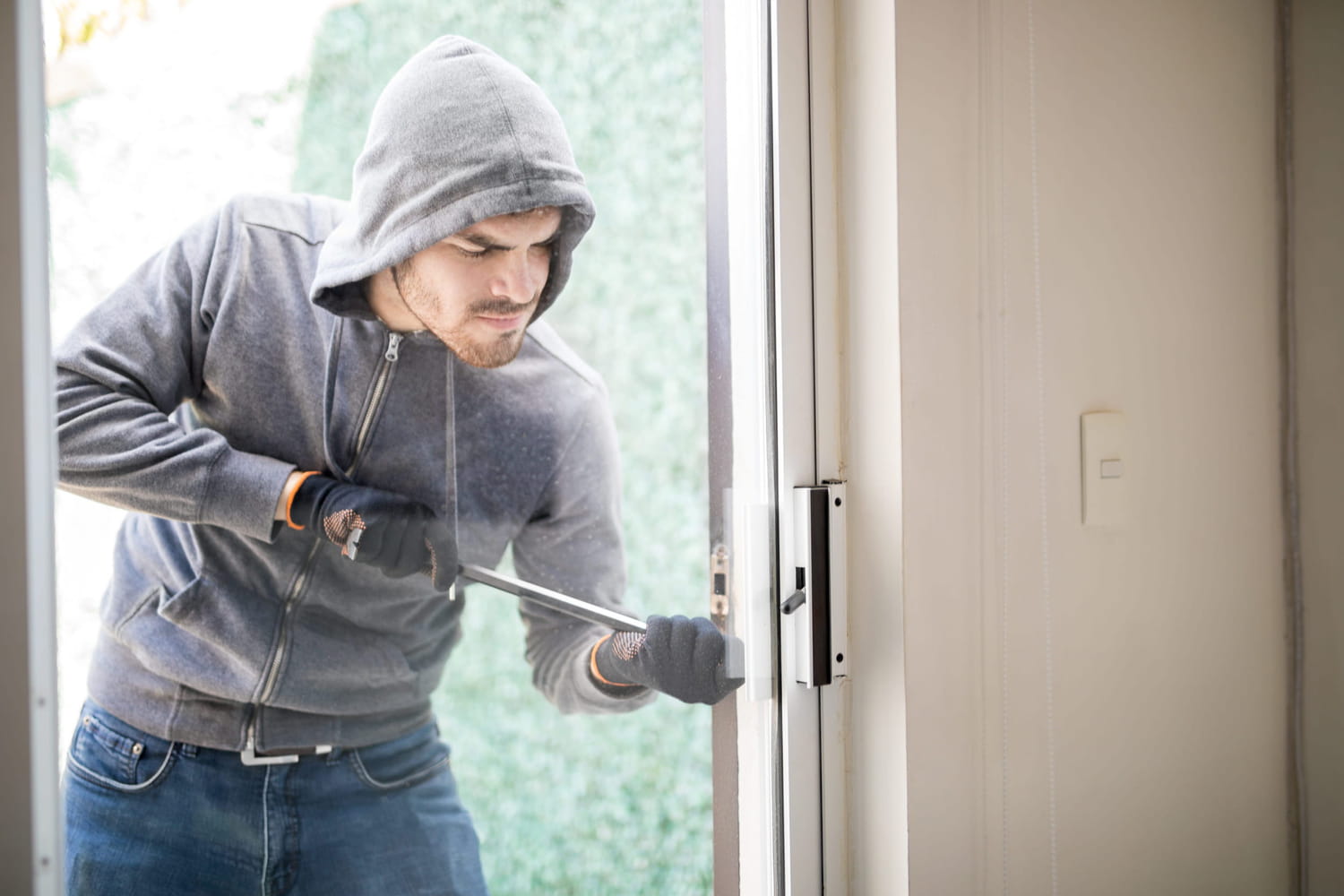
To understand what deters burglars the most, what better way than to question them directly? This is what criminology researchers did with hundreds of incarcerated thieves.
Faced with the risk of burglary, the French are looking for all means to protect their homes: because it is not only material goods that disappear, it is the entire feeling of security that one feels in their house which disappears in a few minutes. And to find out what really deters thieves, what could be better than the words of those most concerned?
In 2012, criminology researchers at the University of North Carolina in the United States conducted a survey of real burglars to determine the criteria that made them abandon a target. 422 of them, men and women randomly selected from three states of the country, were interviewed from their prison cells, where they were serving sentences for home invasion.
Already, the study undermines a well-established preconception: in reality, very few burglars do scouting before acting. “Just under a third of offenders reported gathering information about a potential target before attempting a burglary, suggesting that most burglars are, to some extent, impulsive”note the researchers. On the other hand, faced with a fait accompli, certain criteria are real dissuasive forces which push them to give up.
First of all, “proximity to other people”whether it is road traffic, pedestrians, immediate neighbors, or people present in the house, or of course police officers patrolling the surrounding area. This is the main obstacle for burglars. Another major exclusion criterion when choosing their target: “the absence of emergency exits” to flee quickly after the incident, or if they have been spotted. And finally, “enhanced security indicators” play an essential role. This involves alarm panels as well as the alarms themselves, but also the presence of a surveillance dog, exterior cameras or any other visible surveillance device. 83% of burglars try to check for an alarm or cameras before even trying to break into a property, and 60% say this would cause them to look for another target.
Here again, a preconceived idea collapses: “alarms are considered a more effective deterrent than dogs”according to the study. In fact, just a third of inmates surveyed said the presence of a dog would cause them to change their target, whether it was a guard dog or not. As for the “beware of dog” sign that many choose to put on the gate or at the entrance to the house as a warning, it is particularly useless: 76% of burglars, or three quarters, pay no attention to it.
To protect your home during the holidays, nothing is better than an alarm or a camera, clearly visible from the outside. But above all, there’s no need to invest in sophisticated locks: only one in eight burglars takes the time to pick it, most simply passing through a poorly closed window. Finally, one of the cheapest tips is to install gravel around your entry points. This is an official and very effective recommendation from the French National Gendarmerie, which destroys the burglar’s main asset: silence. The crunching of footsteps on stones acts as a natural alarm signal and immediately deters intruders who fear arousing suspicion from the neighborhood.