



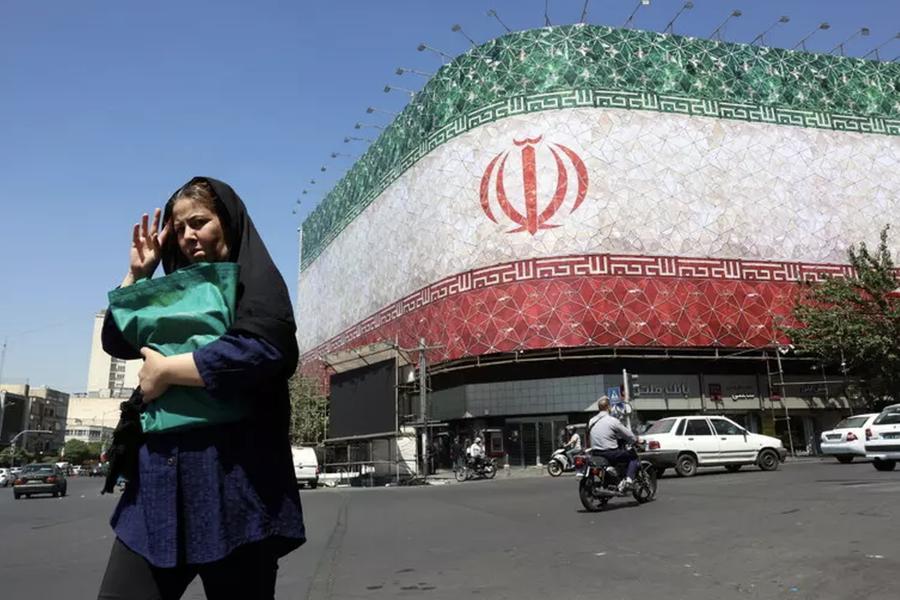
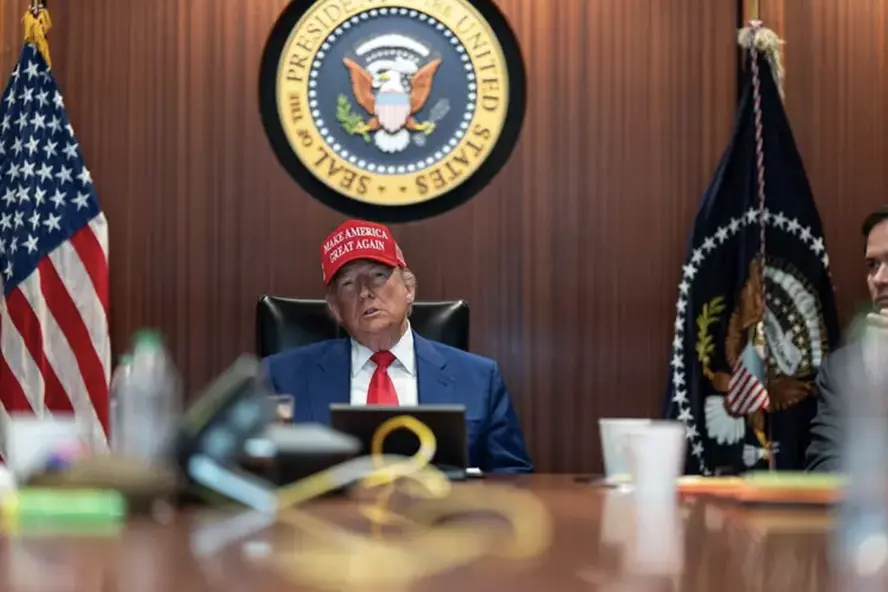
It is a handshake without a photograph, an agreement without a text, a truce that is more like a promise than a certainty. Donald Trump announced it as a diplomatic success destined to change the balance of power in the Middle East; confirmation came from Tehran, albeit with more cautious tones. Yet, while the world tries to understand what was really signed, or what is about to be signed, no one can read the document. Because it just hasn’t been made public.
This is the paradox of the agreement reached between Iran and the United States: everyone talks about it, no one knows the details. More than a definitive agreement, it seems like a framework within which to build future negotiations. A preliminary agreement which freezes, at least for now, the risk of military escalation, but leaves the decisive questions open.
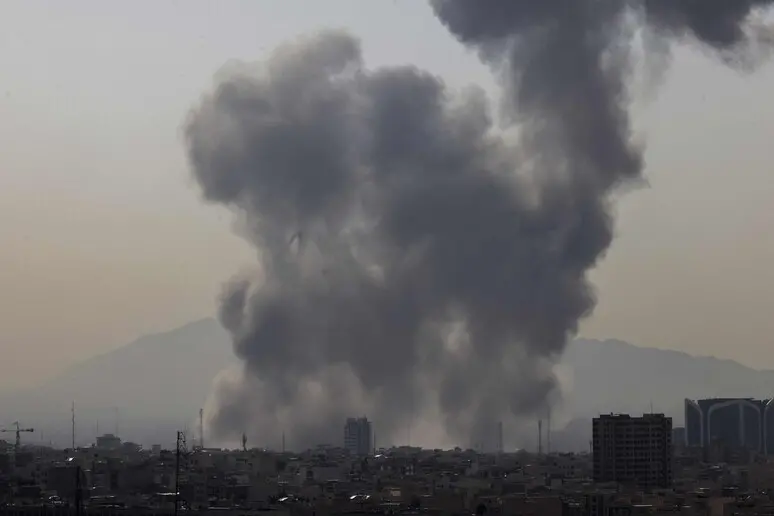
The first concerns the Iranian nuclear program. For years, Washington has been demanding strict limits on uranium enrichment and stringent international controls, while Tehran claims the right to develop a nuclear industry for civilian purposes. Where the balance point was found remains unknown. It is not clear whether Iran agreed to reduce its activities, whether it obtained sanctions relief or whether everything was postponed to subsequent negotiations.
The second unknown is political and concerns Israel. Benjamin Netanyahu has built much of his regional strategy on the idea that the Islamic Republic represents an existential threat. A possible rapprochement between Washington and Tehran risks undermining this pattern. Above all, the Lebanese dossier remains on the table: Hezbollah continues to represent one of the main instruments of Iranian influence in the region and it is not clear whether the agreement includes concrete commitments to reduce tensions along the northern Israeli border or to stop any military operations.
This is also why many observers speak of an “agreement to negotiate an agreement”. A formula that does not necessarily sound like a defeat. In the history of diplomacy, especially in the Middle East, the most important result often consists in creating a stable channel of dialogue even before defining the content of the agreements.
The precedent of 2015 remains inevitable. At the time, the Joint Comprehensive Plan of Action had imposed verifiable limits on Iran’s nuclear program in exchange for the progressive lifting of economic sanctions. Three years later, it was Trump himself, in his first mandate, who unilaterally withdrew the United States from the agreement, judging it insufficient to contain Tehran’s strategic ambitions. Since then, mutual trust has progressively crumbled, fueling a spiral of sanctions, indirect attacks and regional crises.
Today the scenario appears different. The Middle East is affected by the consequences of the war in Gaza, tensions on the Lebanese front, competition between Iran and the Gulf monarchies and the growing role of Russia and China in the region. In this context, Washington seems to favor a logic of containment of the conflict rather than permanent confrontation.
For Tehran, however, what is at stake is above all economic. Western sanctions have weighed heavily on the country’s economy, limiting exports, investments and access to financial markets. Any opening that allows the recovery of commercial margins represents a concrete interest for the Iranian leadership, without giving up the narrative of resistance against the West.
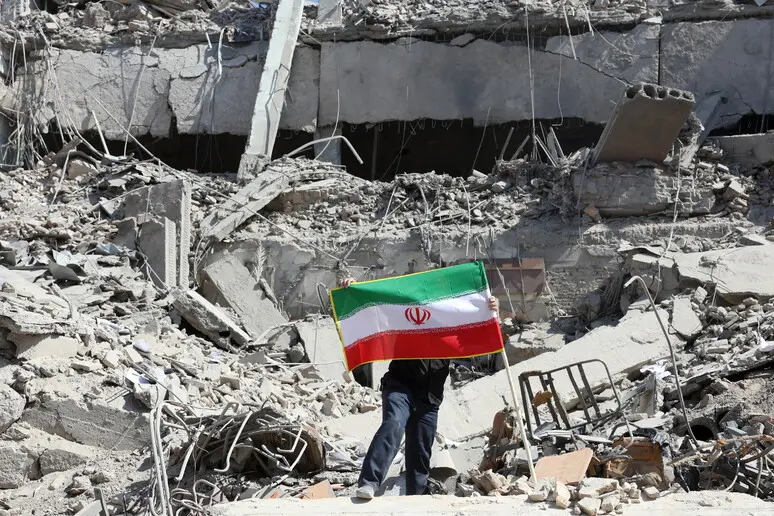
Then there remains the factor of trust, perhaps the most fragile of all. Relations between Iran and the United States are marked by nearly half a century of hostility, from the 1979 revolution to the hostage crisis to indirect clashes fought through allied militias in Iraq, Syria, Lebanon and Yemen. Every step forward has always been accompanied by the fear of a sudden return to conflict.
This is why today’s announcement should be read with caution. As long as the text remains confidential it will be impossible to evaluate which mutual concessions were actually agreed upon. This could be the beginning of a diplomatic season capable of reducing the risk of war; or of a tactical pause destined to end at the first crisis.
However, there is one element that deserves attention. After months in which the dominant language in the region seemed to be that of weapons, the word “negotiation” has returned to the center. It is not a guarantee of peace, but it is at least the recognition that none of the actors involved can afford an open and prolonged conflict.
The Apostolic Nuncio to Lebanon, Monsignor Paolo Borgia, prepares meals for displaced people on the Beirut waterfront
In the Middle East, truces often have the uncertain pace of dunes: they seem solid until the wind changes direction. The agreement announced between Washington and Tehran could prove to be a historic turning point or yet another chapter in a long diplomatic game made up of postponements, ambiguities and mutual distrust. Today, more than a point of arrival, it appears like a door ajar. And no one yet knows what’s really on the other side.