






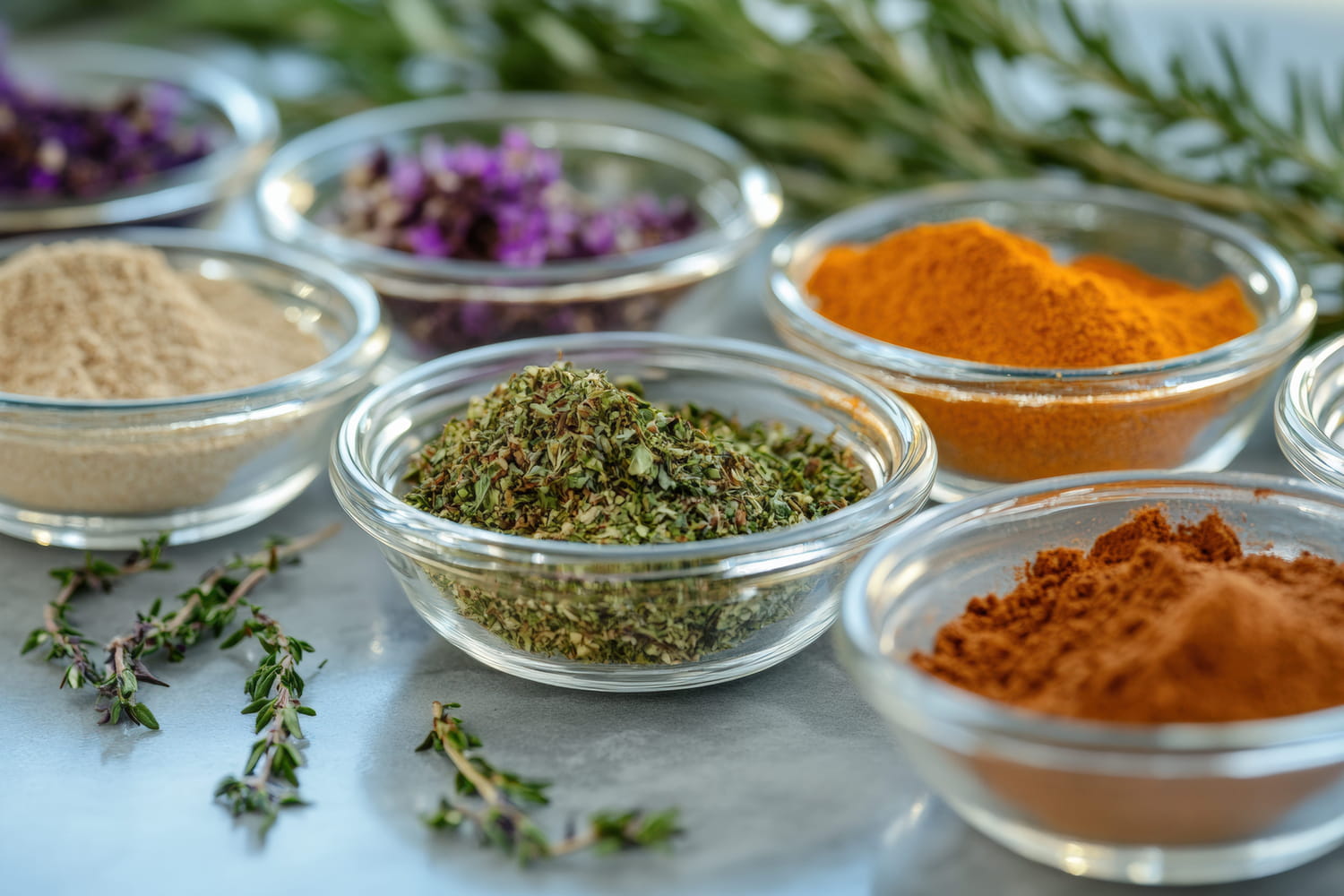
This aromatic herb from the Mediterranean basin has valuable hepatoprotective properties. Arzu Guler, naturopath, enlightens us on its benefits.
With the nice weather setting in, fresh salads, fragrant grilled meats and sunny vegetables are returning to our plates. And with them, aromatic herbs, some of which hide real health benefits. A Mediterranean herb stands out for its remarkable benefits on the liver, this organ essential to our balance.
The virtues of this herb have been used for centuries. “It has had medicinal use since Antiquity and is today recognized by the European Medicines Agency (EMA)”explains Arzu Guler, naturopath with the Médoucine network. Firstly, on the cellular level, it “reduces oxidative stress, therefore cell aging”. The plant also aids digestion “by relieving gastrointestinal disorders, bloating and flatulence”. It also has a significant diuretic effect: “It increases the volume of urine and facilitates the evacuation of toxins.” But it is of course on the liver that it reveals its most precious action.
“Studies have shown that (this aromatic) is hepatoprotective. It contains molecules, such as rosmarinic acid or carnosic acid, which have demonstrated protection of liver cells through an antioxidant and anti-radical action”explains the specialist. You may have understood that this aromatic is none other than rosemary. Better yet, it supports the body’s detoxification functions: “It is capable of activating liver enzymes to best eliminate waste.” A real ally to relieve this organ often abused by our diet rich in fats and sugars.
To benefit from its virtues, several options are available to you. At meal time, we can sprinkle fresh or dried rosemary as we wish on our dishes. “You can put 2 drops of essential oil in a bottle of olive oil”to use in cooking or in a vinaigrette. And if you want to take a cure (approximately 3 weeks), “the simplest thing is always infusion”. The nutritionist’s recipe is as follows: one teaspoon per cup of the fresh plant, infuse for 15 minutes in boiling water. It can also be combined with other plants such as mint, thyme, sage or birch leaf to make a draining herbal tea, and “add a drizzle of lemon juice to give it a tangy taste”. Drink before the meal, “it prepares digestion and increases bile secretion”. After the meal, “It helps with flatulence and bloating”.
It remains to know some usual precautions. “Rosemary is a plant that can easily be consumed because it has no known toxic effects to date”reassures Arzu Guler. However, “As rosemary is very good for the liver, and increases the production and fluidity of bile, people who have bile duct obstructions should be careful”warns the expert. The essential oil, much more concentrated, is not recommended for pregnant or breastfeeding women, young children and people with epilepsy or hypertension.