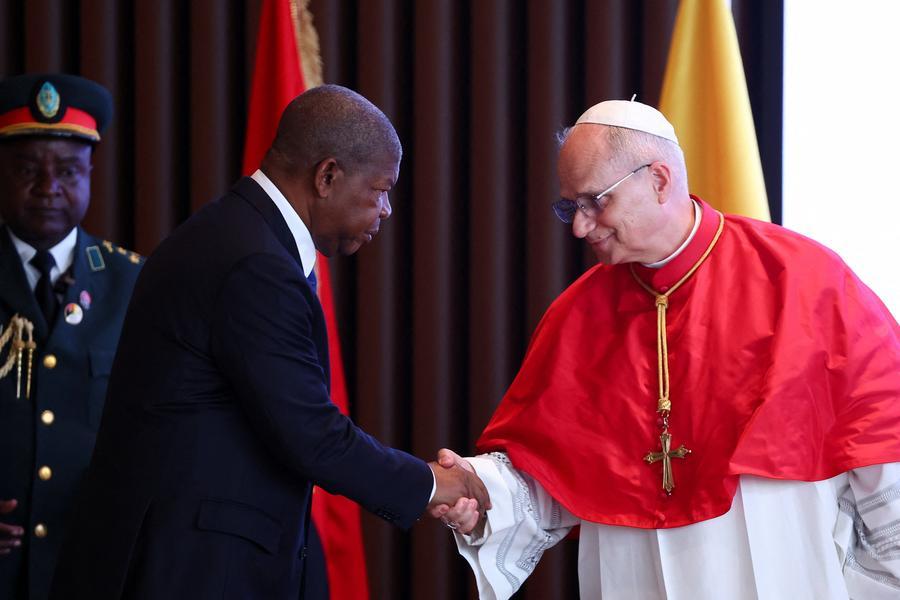


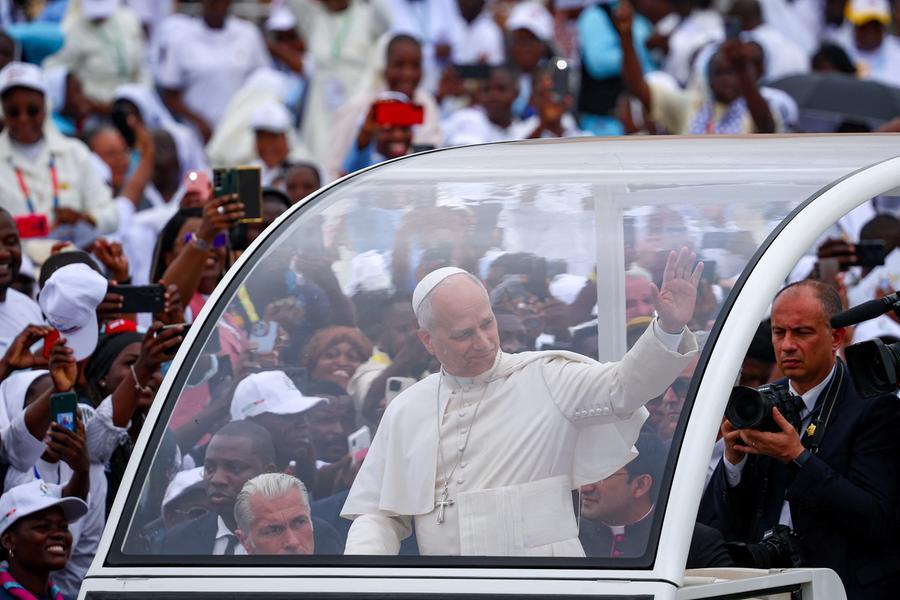



Angola welcomed Pope Leo’s visit with demonstrations of joy and celebration. This southern African country, marked by the paradoxical contrast between a enormous wealth of natural resourceson the one hand, and endemic corruption to which is added a rampant poverty (with more than 30% of the population surviving on less than 2.15 dollars a day according to World Bank data), listens with great hope to the words and appeals of the Pontiff, who in Africa speaks openly of peace, overcoming conflicts, development, inclusion, sharing, justice, fight against inequalities and corruption, with a particular look at young people and their future.
During the plane trip from Cameroon to Angola yesterday afternoon, Pope Leo he made it clear to reporters that he has no interest in debating Donald Trump, in reference to the new attacks received by the US president. He stressed that the speeches he delivered during his trip had been prepared before the messages and comments launched against him by Trump. “Let us therefore continue on our journey, let us continue to proclaim the message of the Gospel,” the Pope told the press.
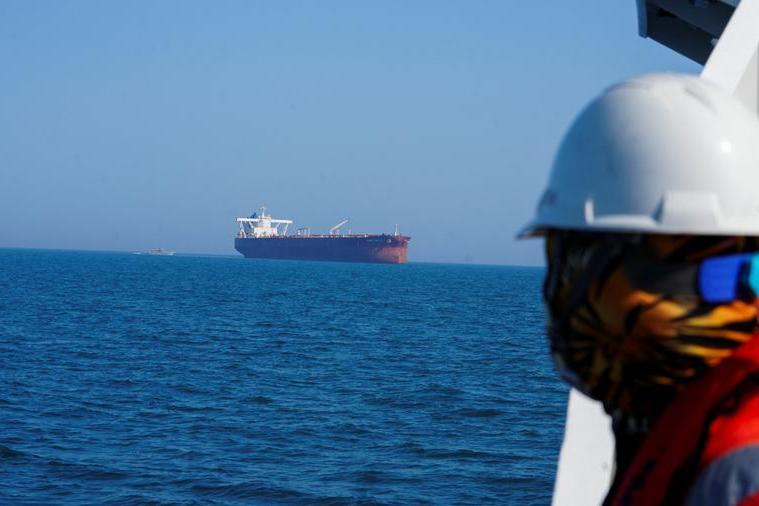
On the second day of his apostolic visit to Angola, from the capital Luanda Leone moved to Nova Cidade de Kilamba, a satellite city about 30 kilometers from the capital, a large housing project – consisting of 750 eight-storey buildings, shops, educational centers for children and schools -, built between 2008 and 2011 by China International Trust and Investment, i.e. Chinese companies that have made huge infrastructure investments in the country, in exchange for Angolan oil. For Beijing, Angola is the main oil supplier in Africa and on the continent it is China’s second trading partner, with a volume of Chinese investments exceeding 24 billion dollars, ranging from the traditional construction and railway sectors to agriculture and mining.
Nova Cidade de Kilamba is a very controversial residential project: built at very high costs, it remained deserted for many years due to exorbitant housing prices, inaccessible for the vast majority of the local population, an emblematic example of a modern African “ghost town”.
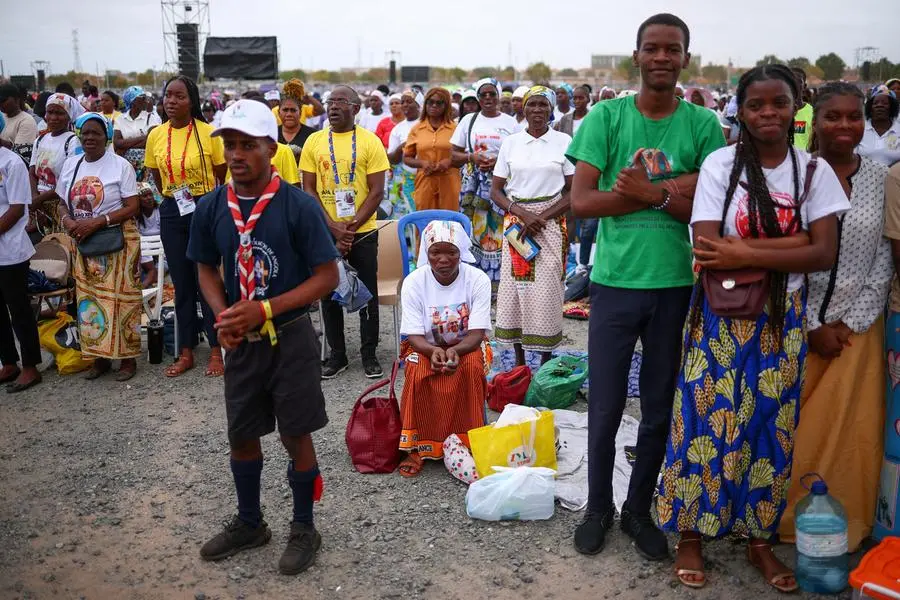
Faithful gathered in Kilamba to participate in the religious service.
(REUTERS)
In the religious function celebrated in a large field in Kilamba, in front of a crowd of tens of thousands of faithful – it is estimated that around 200 thousand people are present in the area – Pope Leo, commenting on the page of the Gospel of Luke which tells of the two disciples walking on the road to Emmaus, turns his gaze to the wounds of Angola, a country which experienced a bloody civil war, which lasted almost thirty years, from 1975 (the day after independence) until 2022, causing around one million victims.
The Pope forcefully underlines the need to look forward, move forward, not remain anchored to the past, insisting on the key words hope and future, in a country that. «In this initial scene of the Gospel», explains Leone, «I see the history of Angola reflected, of this beautiful and wounded country, which is hungry and thirsty for hope, peace and brotherhood.” The conversation of the disciples who remember what happened to their Master brings to mind the pain by which this country of yours has been marked, a long civil war with its aftermath of enmity and divisions, squandered resources and poverty. When you are immersed for a long time in a story so marked by pain you run the risk of the two disciples of Emmaus: lose hope and remain paralyzed by discouragement.”
The good news from the Lord, even today, is that «He is alive, he is risen and walks alongside us as we travel the path of suffering and bitterness, opening our eyes so that we can recognize his work and giving us the grace to start again and rebuild the future.”
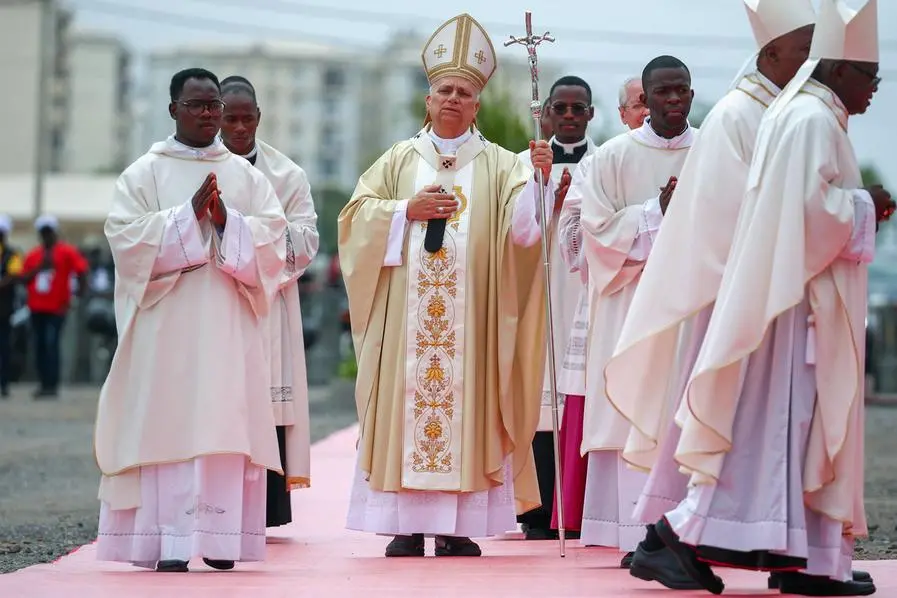
Pope Leo in Kilamba for the religious function.
(REUTERS)
By supporting the two embittered and disappointed disciples, becoming their companion, Christ helps them to look beyond the pain, to discover that they are not alone on their journey. Here then is the path to start again, states the Pontiff, addressing the Angolans. And he issues an exhortation to «monitor the forms of traditional religiosity which certainly belong to the roots of your culture, but risk confusing and mixing magical elements and superstitions which do not help on the spiritual path.” Leone invites the Angolan faithful to remain faithful to the teachings of the Church, to trust their pastors and keep their gaze fixed on Jesus.
And it expresses the desire for a Church in Angola that knows how to always stand by the people, the least, the needy, without leaving anyone behind.
«The history of your country, the still difficult consequences that you endure, the social and economic problems and the different forms of poverty call for thein the presence of a Church that knows how to join us on the journey and knows how to welcome the cry of its children”, underlines the Pope. «Angola needs bishops, priests, missionaries, religious men and women, lay men and women who have in their hearts the desire to break their lives and give it to each other, to commit themselves to love and mutual forgiveness, build spaces of brotherhood and peace, carry out gestures of compassion and solidarity towards those who are most in need.”
Leone underlines the desire to «build a country where divisions are overcome forever, where hatred and violence disappear, where the wound of corruption is healed from a new culture of justice and sharing. Only in this way will a future of hope be possible, especially for the many young people who have lost it.” Today, adds the Pontiff, there is a need to «look to the future with hope and to build hope for the future. Don’t be afraid to do it.”
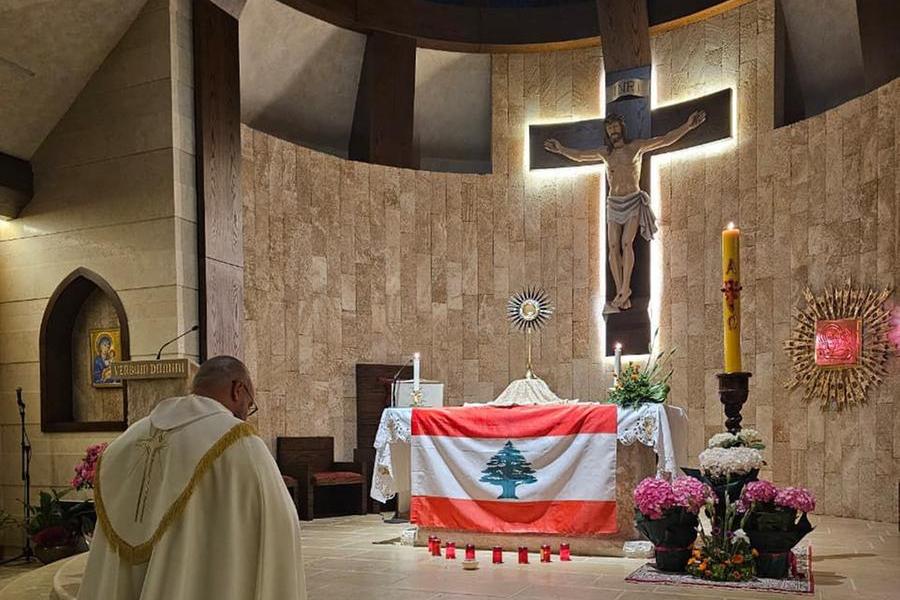
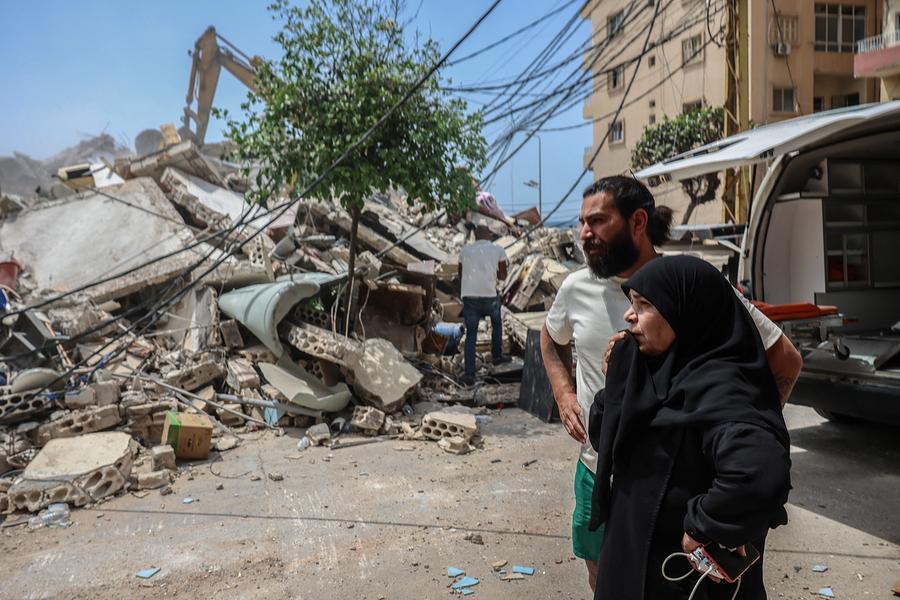
At the end of the mass, at the Regina Coeli prayer, Pope Leo reflects again on the ongoing wars and launches a new appeal for peace. He turns his thoughts in particular to Ukraine and the attacks that continue to affect the civilian population. He expresses his closeness and assures his prayers for the Ukrainian people. And he repeats the appeal “for the weapons to be silenced and the path of dialogue to continue”. Leone then remembers the truce announced in Lebanon “a reason for hope because it represents a sign of relief for the Lebanese people and for the Middle East”. And it encourages the authorities involved to “continue the dialogue for peace”.