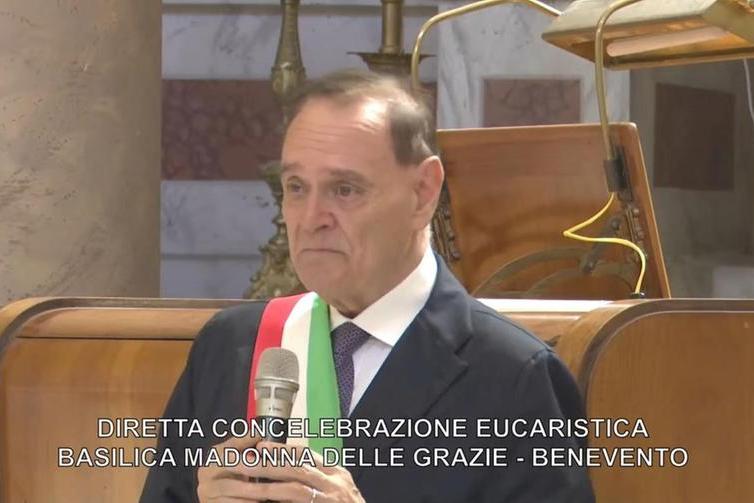
«Pray for me. I’m sick too. I hope I can do it.” A few words, spoken with a voice cracked by emotion, are enough to change the face of a public man.
It happened last July 2nd Beneventoduring the celebrations of the Madonna delle Grazie. The mayor Clemente Mastellaafter fifty years of political life, chose to confess his illness in front of the faithful, then specifying that it was a tumor.
For a few moments, the seasoned politician disappeared, the protagonist of a thousand battles, the often discussed character, for choices now discussed in the distant past (and questionable, as when he brought down the second Prodi government in January 2008). He simply remained the man. A man asking for prayers. A man who discovers, like all of us sooner or later, that there is a threshold before which power, success, consensus and even intelligence must take a step back.
Beyond the political character, who may or may not like it, there is a disarming nobility in this public confession. In a time when we are educated to show only efficiency, strength and control, declaring one’s fragility in public requires a dose of courage.

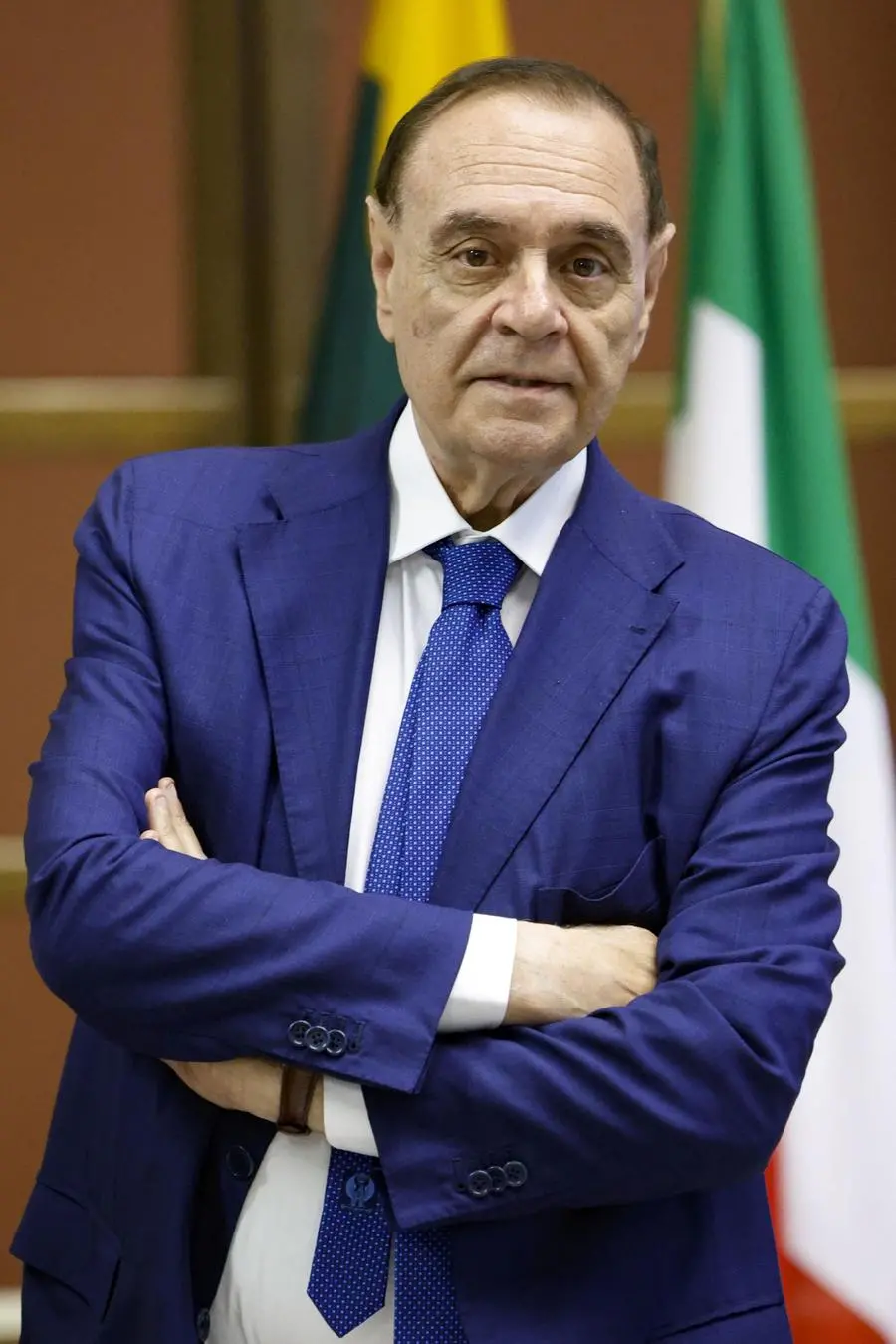
Clemente Mastella, 79 years old, began his very long career in 1976 by being elected deputy with the Christian Democrats. Over the years he has held leading roles: he was Minister of Labor, Minister of Justice and founded several parties, including UDEUR
(HANDLE)
Illness makes us all more human, and therefore more equal. The disease does not look at the CV, the bank account or the number of votes received. Remind everyone that life is a precious gift, but it is not in our hands.
Perhaps this is precisely why today we tend to remove the thought of death so much. We live as if time were inexhaustible, postponing affection, forgiveness, important words, reconciliation with God and with others. Yet the awareness of our finiteness is not an invitation to sadness. On the contrary, it is what gives weight and value to every day.
Saint Ignatius of Loyola he had understood it with extraordinary clarity. In the Spiritual Exercises, at the end of the second week, he proposes a discernment exercise that is as simple as it is unsettling: imagine yourself on your deathbed and ask yourself what decision you would like to have made at a given moment, what choice you would like to have made, what life you would like to have lived. It’s not a macabre exercise. It is an exercise in freedom. Looking at one’s existence from the end helps to free oneself from many illusions and to distinguish what really matters from what is just noise. Human glory from love, the only thing we will carry with us.
If we asked ourselves that question more often, perhaps many of our priorities would change. We would worry less about appearing and more about loving. We would look less for success and more for loyalty. We would accumulate fewer things and cultivate more relationships. We would discover that the most important time is what we have in front of us today, not what we imagine we will have tomorrow.
This is why Mastella’s words don’t just concern him. They affect all of us. Because, sooner or later, everyone will have to cross that same threshold. The difference lies not in knowing when it will happen, but in deciding now how to live the time entrusted to us.
The disease, then, while remaining an evil to be fought with all the resources of medicine, can also become a severe teacher. It reminds us that we are creatures, not masters of life. And that, when everything else falls, only the love given, the good done and the hope placed in God remain.