The ceasefire is over and with it, at least for the moment, hopes that the two countries could complete the peace negotiations have been dashed. The memorandum of understanding signed by Washington and Tehran last June did not stand the test of facts, demonstrating all its foreseeable fragility. War has once again ignited the Middle Eastern region.
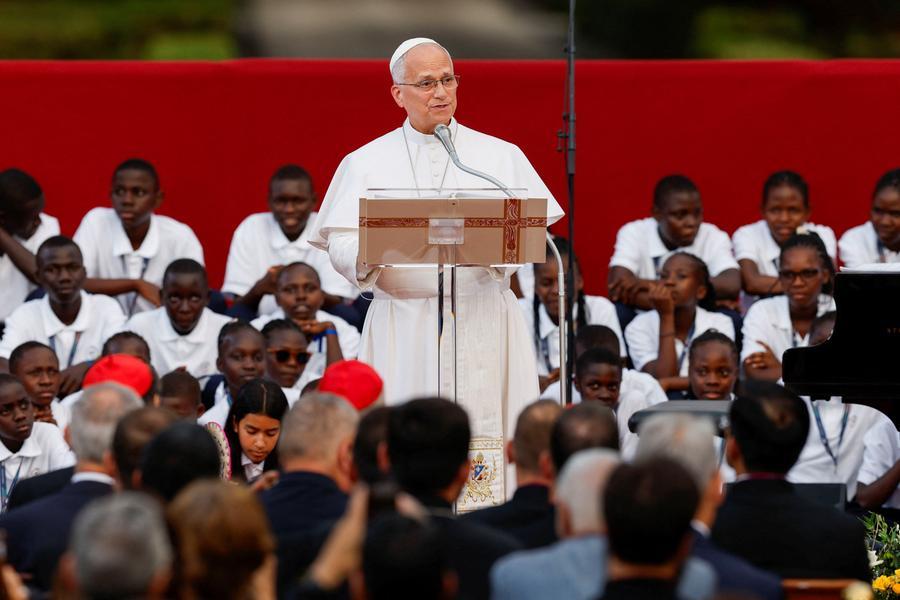
On the night between 7 and 8 July, with the NATO summit in Ankara in full swing, the United States launched a wave of raids against Iran, as a reaction to attacks by Tehran against three ships in the Strait of Hormuz. On the sidelines of the NATO summit, Trump had lashed out at the Iranians, calling them “crazy, out of their minds”, had expressed doubts about his desire to close an agreement with Tehran and raised the possibility of reimposing the blockade of the passage of Hormuz only for Iran.
Iranian incursions in the Strait of Hormuz had hit three oil tankers, one from Qatar and the other from Saudi Arabia – both countries allied with the USA – which were following a route not agreed upon with Tehran. Washington first reacted by reintroducing sanctions on Tehran’s oil, then with massive night bombings that hit over 80 targets: in particular air defense systems, command and control networks, coastal radar stations, anti-ship missile capabilities and over 60 small boats.
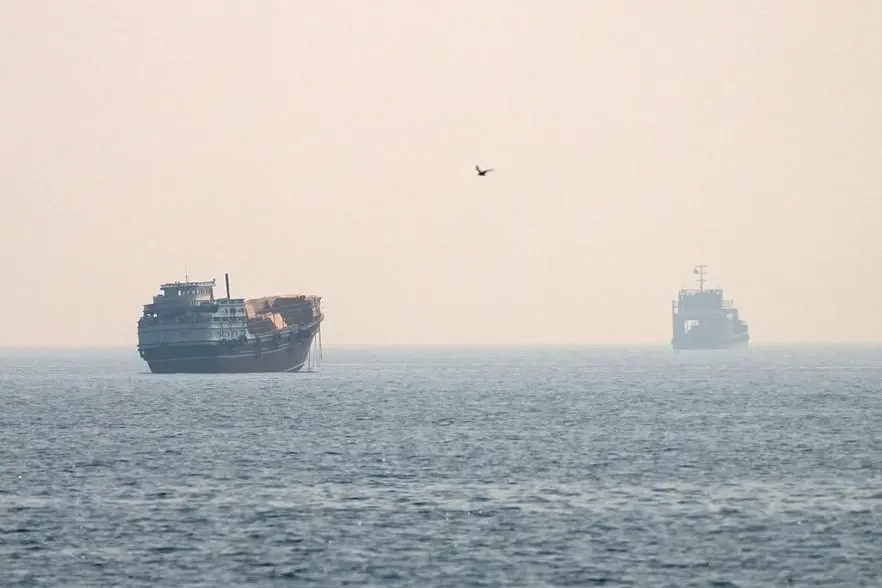
Two ships in the Strait of Hormuz yesterday 8 July.
(REUTERS)
The Tehran authorities have condemned the US offensive and in response to the US attacks, official Iranian sources have confirmed that Tehran has in turn struck a total of 85 US military installations in Kuwait, Qatar and Bahrain with kamikaze attack drones, a Patriot missile interception system in Kuwait, an early warning system in Qatar and fuel tanks in Bahrain with kamikaze drones of various types. In the Gulf, the volleys of cross-raids between the two armies have returned in a back-and-forth that is experiencing a rapid and dangerous escalation of violence.
Harsh words from Mohammad Bagher Ghalibaf, president of the Iranian Parliament and chief negotiator for Iran in the negotiations with the United States, who on his X profile challenges Trump by writing: «America has not yet learned that arrogance and lack of loyalty are no longer free. To be clear: try, and you will pay the consequences.” And he added: «Don’t waste energy, you will sink even more, the Strait of Hormuz opens only with Iranian agreements, not with American threats».
The renewed tension in the Middle East has once again made oil and gas prices soar, while stock markets fall. As the Bloomberg agency reports, maritime traffic through the Strait of Hormuz has almost completely stopped after two days of raids against Iran. Transit in this crucial passage route is now largely limited to a northern route approved by Iran, while a corridor further south, protected by Oman and the United States, has seen little activity.
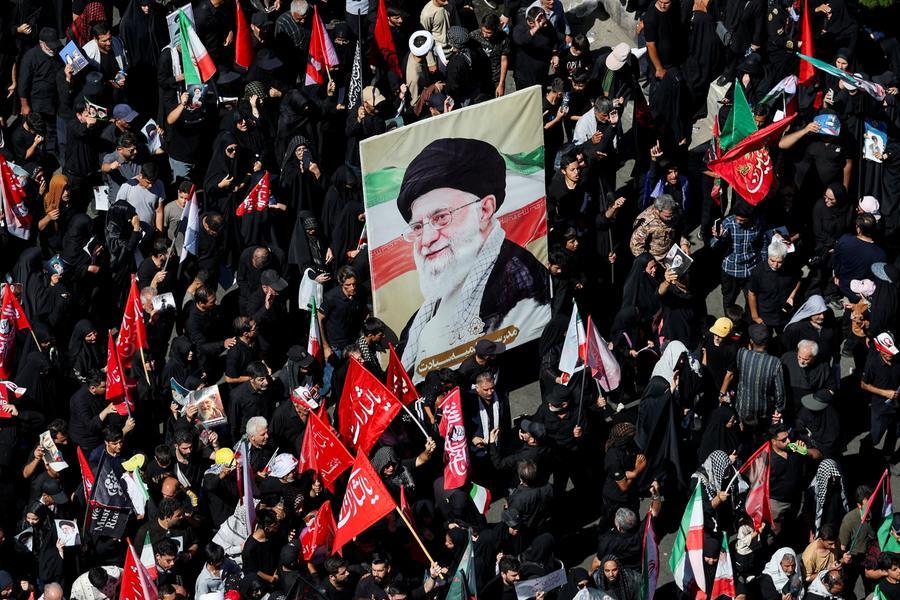
The US raids also hit the railway line between Tehran and Mashhad, where Supreme Leader Ali Khamenei is buried today. The ayatollah’s coffin arrived by plane in Khamenei’s hometown in northeastern Iran. After six days of funeral ceremonies, the remains of the Supreme Leader will be buried in the Imam Reza Shrine, the holiest Shiite place of worship in Iran, where millions of people are expected to participate.