




There is a motherhood that is not measured only in daily care, in the repeated gestures of family love or in the silent dedication that holds a home together. There is also a motherhood that goes through the most ferocious pain without letting itself be consumed by hatred. A motherhood that continues to generate life even when life seems to have dealt the most unfair blow. This is the face that emerges from the stories of “Rita’s Women” 2026, presented by the Monastery of Santa Rita da Cascia on the occasion of Mother’s Day.
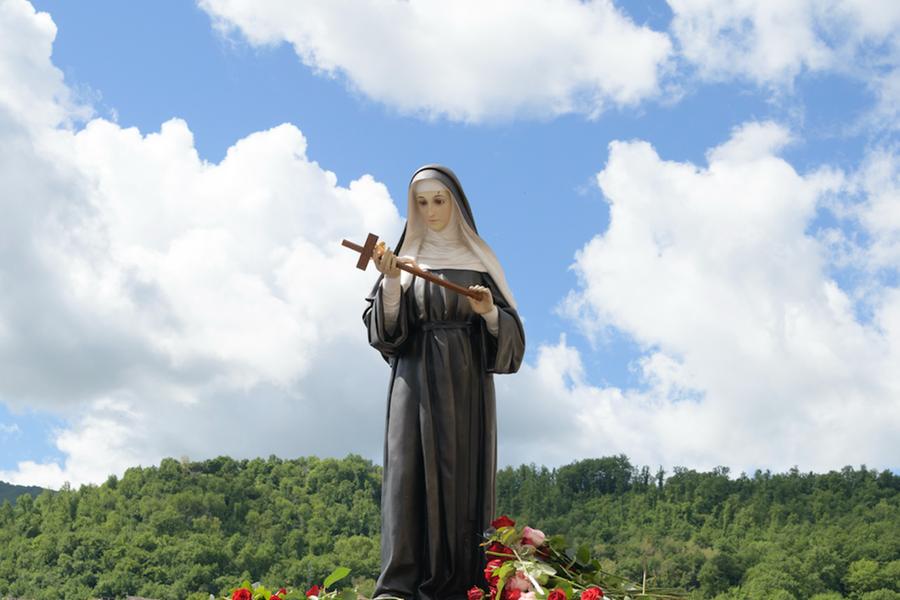
Three women – Fannì Curi, Lucia Di Mauro and Mirna Pompili – united by deep wounds and a radical choice: not to allow the pain to turn into resentment. Their events will be officially celebrated on May 21st in Cascia, on the eve of the feast of Santa Rita of Casciathe saint of impossible cases, a woman also marked by loss, violence and mourning, but capable of making suffering a path to reconciliation.
«In these women and mothers we find the most authentic face of Saint Rita», explains the Abbess of the monastery. “Women who have experienced the deepest pain and who, right there where everything seemed lost, have chosen to still generate hope and love.”
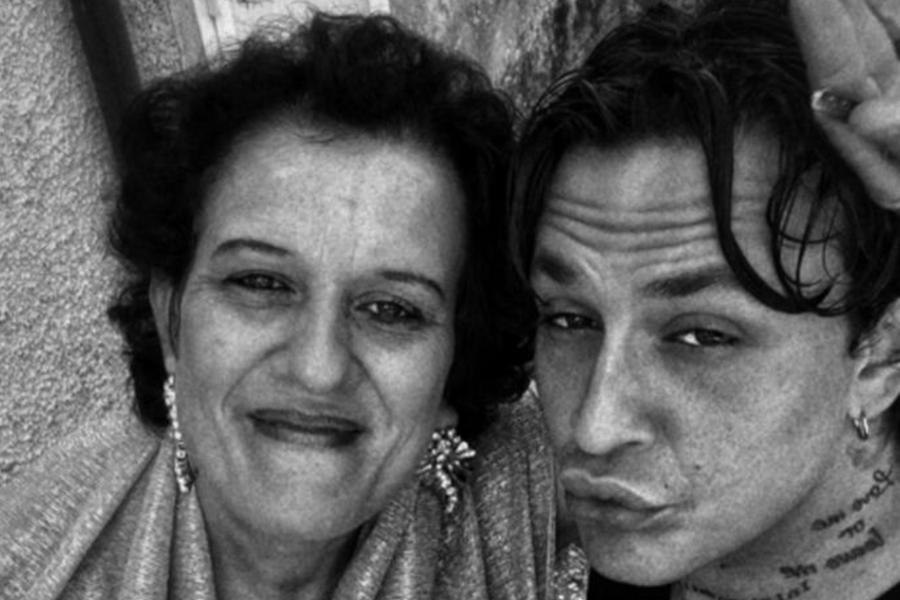
The story of Fannì Curi is that of a mother who accompanied her son Luca through his illness since birth. The child, suffering from a serious heart condition, underwent numerous operations before dying. An experience that could have permanently broken a family. And instead Fannì, together with her husband Sante, transformed that pain into closeness towards others: volunteering alongside the homeless, supporting street prostitutes, helping parents who have lost a child. A second wound, discovered in adulthood, also marks his path: the truth about his adoption. Not abandonment, but the inability of the biological mother to keep her with her. A truth that opened a path of internal reconciliation. “All the love I didn’t have, I feel I have to give,” he says.
Then there is the story of Lucia Di Mauro, widow of a security guard killed by four boys. A tragedy that would normally only fuel the desire for revenge. And instead Lucia chooses to meet one of the perpetrators, the youngest, detained in juvenile prison. From that meeting an unexpected human relationship was born, also favored by the educational intuition of a prison director and the accompaniment of Don Luigi Ciotti. Lucia decides not to stop at hatred and continues to follow that boy’s path to this day. A choice that profoundly questions contemporary culture, often incapable of conceiving forgiveness without confusing it with weakness.
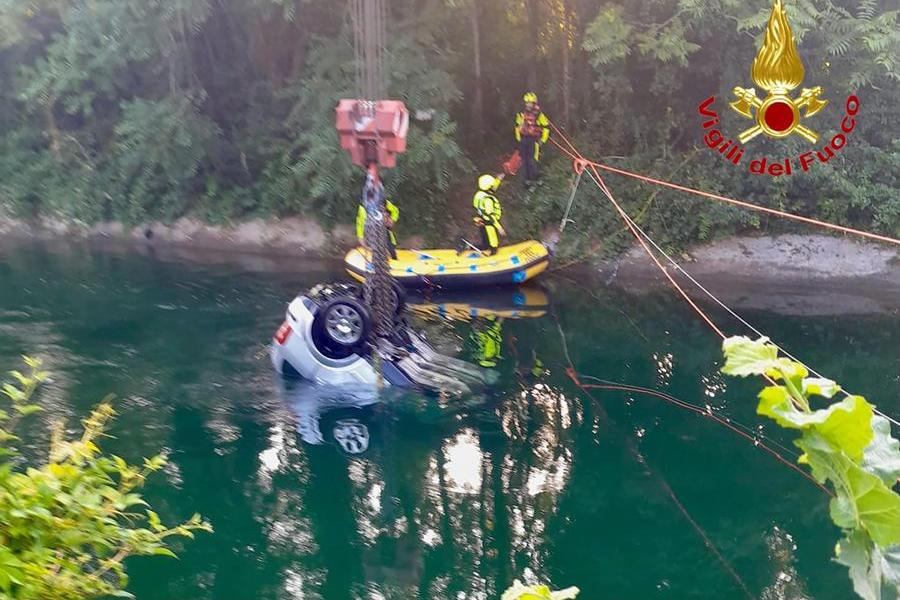
Finally Mirna Pompili. After the death of her daughter Camilla in a car accident, she feels the need to reassure the woman involved in the tragedy. He doesn’t want pain to beget more pain. It tells that person that his heart is not inhabited by resentment. A gesture that becomes, for both, the beginning of a shared spiritual journey, made of rediscovered faith, prayer and search for meaning.
Three very different stories, but united by a common thread: the ability to break the chain of hatred. And this is perhaps the most counter-current message coming from Mother’s Day 2026. In a time marked by conflicts, social aggression and polarization, forgiveness appears almost scandalous. Yet these women demonstrate that it does not mean erasing the evil suffered, but preventing evil from having the last word.
A concrete signal of attention to fragility also comes from the Umbrian monastery. There Santa Rita da Cascia ETS Foundation in fact announced the birth of theOasi Santa Rita in Porto Recanati: a non-profit structure dedicated to people with disabilities and their families. A project that aims not only at accessibility, but at a real cultural change: considering free time, holidays, beauty and relationships not privileges for the few, but rights for all. The planned investment exceeds 2.4 million euros.
So, next to the stories of the “Rita’s Women”, a concrete idea of community also takes shape: a place where fragility is not hidden or pitied, but welcomed as part of life. Just as the story of Rita da Cascia has taught for centuries. A woman who knew pain and yet stubbornly continued to believe that good was still possible.