



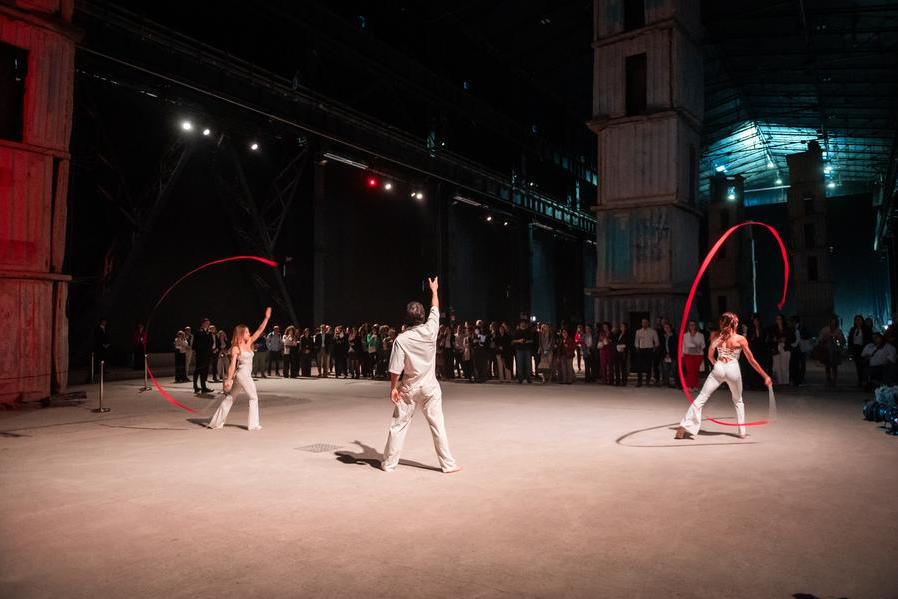
At the Hangar Bicocca in Milan, under the industrial naves transformed into a contemporary cathedral with a monumental installation The Seven Heavenly Palaces by Anselm Kiefer, the multiple sclerosis for one evening it stops being just a neurological diagnosis. Become a public voice. Body. Biography. Rights. Politics.
Words no longer bounce only between medical records, laboratories and scientific conferences. They have the weight of real lives. The weight of someone who gets up every morning without knowing if their legs will hold up that day, if their mind will remain clear, if their body will obey. Yet it continues. Work. Love. Travel. It resists.
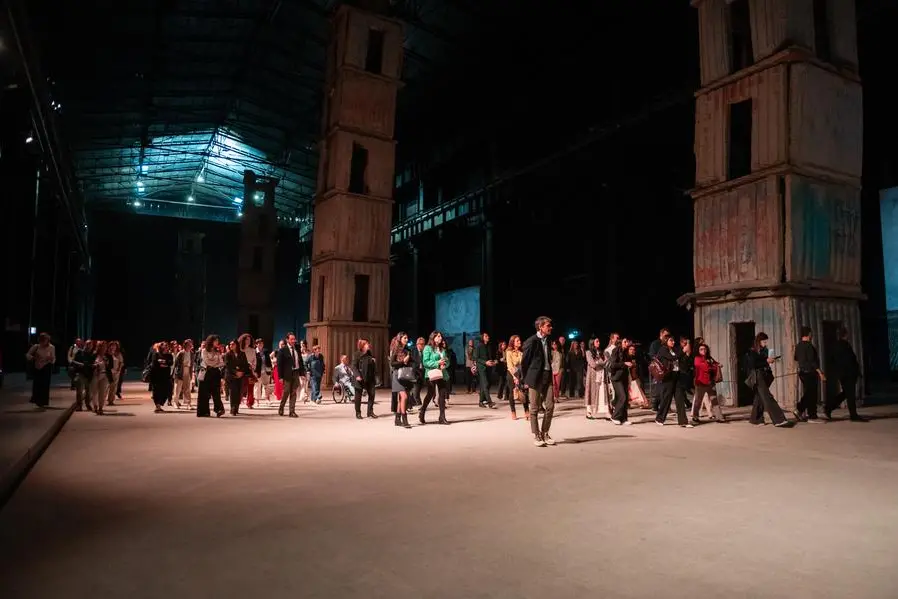
It is within this symbolic scenario that Aism and Fism presented the new SM Agenda 2030 in Milan, on the eve of National Multiple Sclerosis Week: a document that not only talks about treatments, but about society. Not only of medicine, but of citizenship.
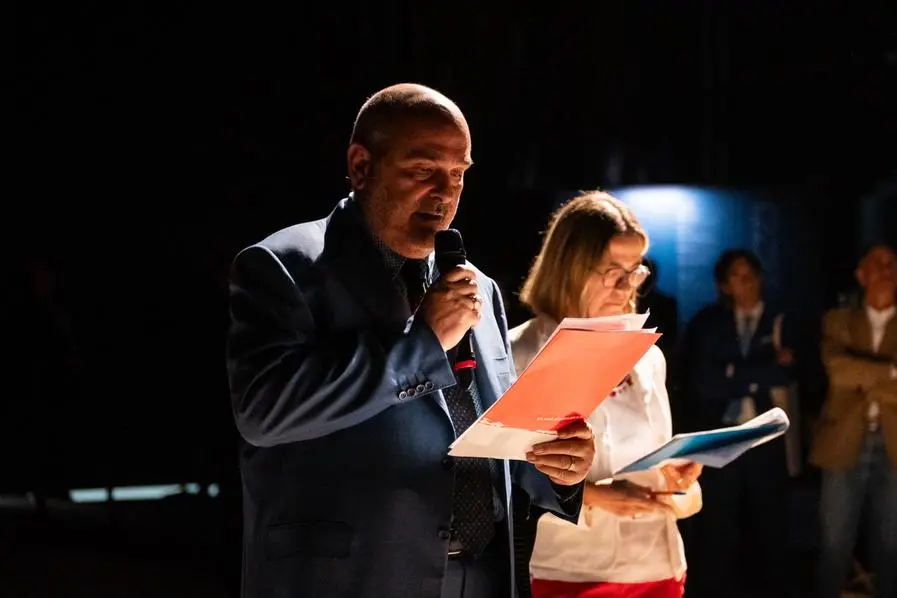
Neurologists, researchers, psychologists, people with multiple sclerosis and institutional representatives alternate on stage. The national president of Aism Francesco Vacca he opens the meeting with a clear message: «Research has changed multiple sclerosis. Now the system must change.”
In Italy Around 150 thousand people live with the disease. Over 3,600 new diagnoses are recorded every year. But numbers alone are not enough to tell what it means to live with a chronic, unpredictable and often invisible pathology.
Gaia Rovati is fifty years old, leads Aism Veneto and works as a manager in a multinational logistics and transport company. When he talks about his experience he carefully avoids the heroic tones of “life lessons”. “Multiple sclerosis is not a motivational novel,” he explains. “It’s a daily negotiation with your body.”
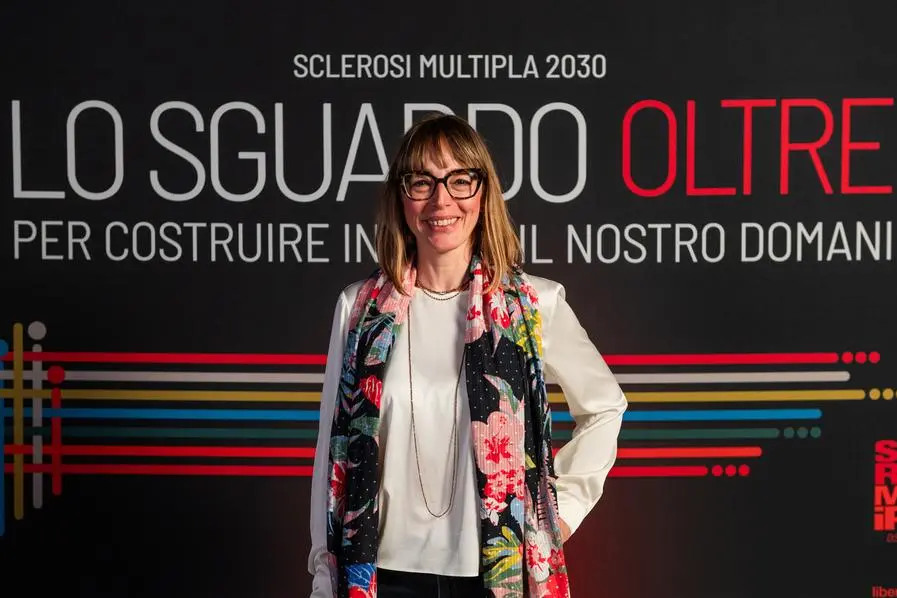
The diagnosis arrived in 2007, but the first onset dates back to 2002. Five years suspended in the limbo of uncertainty. «I felt lost. I thought I had something very serious that no one could understand.” Paradoxically, it was precisely the diagnosis that freed her: finally giving the illness a name meant she stopped feeling alone. He discovered Aism, he discovered a community, he discovered that research was already changing the destiny of the pathology.
Because multiple sclerosis is also this: an invisible disease. The symptoms that accompany it are often invisible. Chronic fatigue that drains energy. Nocturnal spasms. The cognitive fog. Difficulty concentrating. «There are days», says Gaia, «when you don’t have enough strength to even face a normal working day». And meanwhile the world continues to look at you as a “normal” person, continually asking you to prove that you are really sick.
For years he hid everything. To the parents. To friends. To colleagues. “When you say you have an illness you also take on the pain of others.” At work he tried to remain as silent as possible. Then he decided to speak. And she was immediately labeled. “He is no longer capable of doing that job.” Attempt at demotion. The disease transformed into suspicion.
It was then that Aism placed a lawyer alongside her. Gaia appealed, regained her managerial role and discovered a word she didn’t know before: reasonable accommodation. Not privileges. Rights. And work is one of the central issues of the SM 2030 Agenda. In the talk dedicated to work participation, experts and people with multiple sclerosis talk about a problem that is still largely hidden: companies unable to adapt to invisible fragilities, slowed down careers, stigma, fear of declaring one’s condition. Although norms exist, many people continue to experience the disease as something to hide.
The new Agenda presented by Aism and Fism instead tries to overturn the paradigm: it must not be people who continually bend to the limits of the system, but the system which adapts to people. The SM Barometer 2026 photographs an Italy that is still profoundly unequal: over half of people organize visits and services themselves; more than 31% pay for rehabilitation privately; 61% support psychological support and therapies out of their own pockets. Over 57% of those who need home care do not receive it. And then there are the daily barriers: transport, bureaucracy, accessibility, administrative times incompatible with real life.
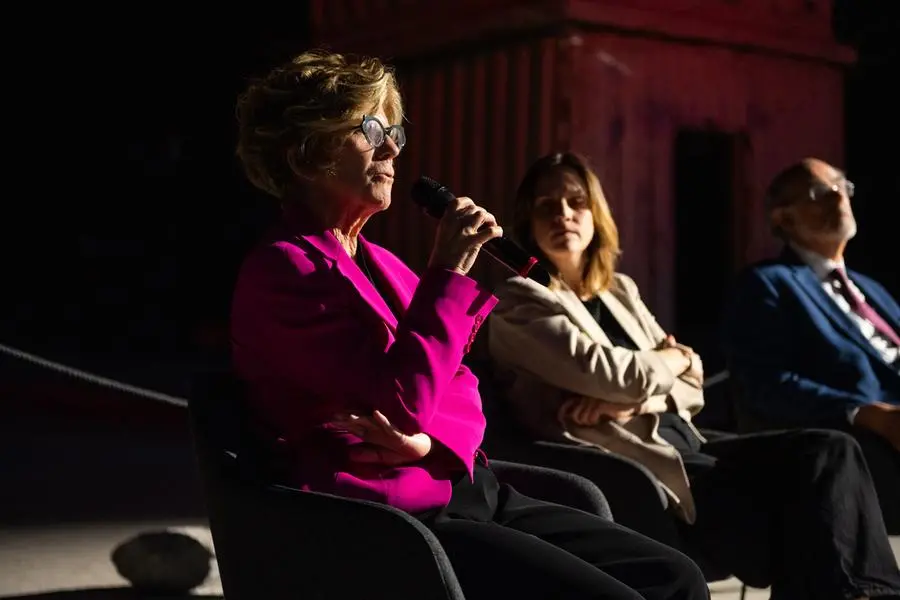
During the talk dedicated to rights and supports, the theme of the “life project” emerges strongly, the cornerstone of disability reform. A principle which, however, risks remaining abstract if it does not become a concrete experience. Marcella Mazzoli, director of Territorial Management and Development at Aism, summarizes it clearly: «Many people don’t apply because they don’t know the tools, but also because the services are not yet ready».
This is why Aism has started the CAT project, Building autonomy and ownershipfinanced by the Ministry of Labor and Social Policies. In Lucignano, Tuscany, in the accessible structure “I Girasoli”, people with disabilities will be able to concretely experience their life project: independent living, sport, mobility, aids, rights, reasonable accommodations. Not theory, but proof of the future.
This is where the word autonomy stops being abstract. Because in the life of a person with multiple sclerosis even renewing a special driving license can turn into a humiliating journey made up of errands, continuous visits, costs and bureaucracy. «You feel cheated», they say from the association. This is also why Aism is working with institutions to simplify procedures for chronic pathologies.
Then there’s the research. And here the tone changes again. No longer just hope, but method. On the stage of the Hangar Bicocca la director of Fism Scientific Research Paola Zaratin talks about the “science of collaboration”: patients, caregivers, researchers, clinicians and institutions working together. «The person is no longer just the recipient of the research, but part of the scientific process».
Alongside her, neurologists such as Diego Centonze and Claudio Gasperini intervene, together with people with multiple sclerosis and related pathologies such as Mogad. The message is clear: today the goal is no longer just to treat disability, but to prevent it as early as possible.
Thanks to the new diagnostic criteria published in 2025, it is possible to recognize and treat very early forms of the disease which until a few years ago remained excluded from treatment. Twenty years ago there was only one drug. Today there are around twenty therapies available. Diagnoses are quicker, treatments are more effective, the progression of disability can be slowed down even for decades.
In the last five years Fism has invested over 40 million euros in scientific research. Italy is now the second country in the world for scientific production on multiple sclerosis. And the Italian MS Registry, with 98 thousand cases collected, represents one of the most important European databases dedicated to the disease.
But once again the point is not just scientific. He’s human.
Above all, this is remembered by the testimonies that run throughout the evening: from Federica Balzani to Dalila Russo, from Angela Martino to Romina Palmizi, up to the narrative voice of Linda Montecchiani, a person with multiple sclerosis. Different stories united by the same request: to be considered whole people, not walking diagnoses.
Gaia explains it better than any statistic. When she finally stopped hiding, she thought the illness would make her more fragile. The opposite happened. “It strengthened me,” she says. Friends today know when to help her and when to let her go free. Family members have learned not to replace her. Multiple sclerosis remained. But that’s no longer the only thing that defines her.
And this is perhaps precisely the deepest heart of the SM 2030 Agenda presented at Hangar Bicocca: shifting the gaze from the “ill” person to the person in his entirety. Don’t ask for heroism. Don’t celebrate exceptions. But building a society capable of allowing even those living with a chronic illness to simply continue living.
On the number 22 of Famiglia Cristiana coming out in the parish and on newsstands on Thursday 28 May, there will be an in-depth analysis of the Aism agenda.