




Attachment to objects often goes beyond simple material needs to touch on deep psychological mechanisms.
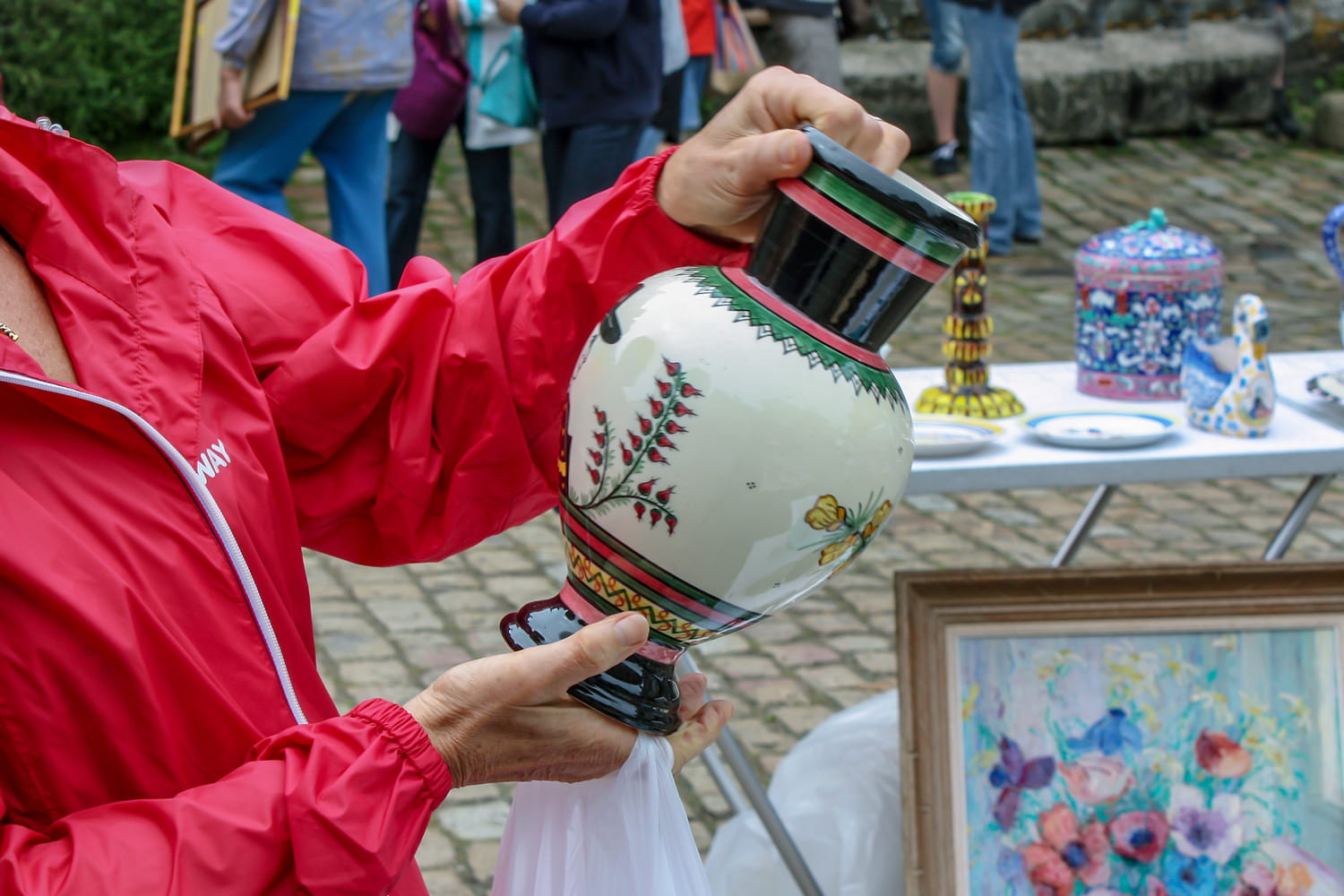
That old exercise bike that serves as a coat rack, the boxes of children’s drawings, or that chipped teapot found at a flea market: we all have memories and objects that we keep “just in case” but which clutter our cupboards. Why is it so difficult to part with it? “We are all more or less attached to objects. They are imbued with our history, they have a certain meaning and are sometimes linked to an identity, to a memory”explains therapist Florine Nottet to Journal des Femmes.
Attachment to material is rooted in deep psychological mechanisms. Behind a preserved object is often an attempt at emotional repair or a projection of self. “The causes can be emotional: filling a void, filling an emotional need, linked to trauma for example, linked to lack”analyzes the expert. “Sometimes we keep things because they mean something about us.” It is also a reflection of our past ambitions or our hopes for change: “We keep objects for what we thought we would do with them or what we would like to do with them”for example through clothes that are too small kept by “hope of regaining its size”.
“Having a few objects can be positive”nevertheless reassures Florine Nottet. This habit even reveals a rare emotional quality: “It’s a great way to pass on stories to our loved ones.” People who keep objects allow them to maintain a connection with those around them and to remember moments spent together. But the specialist warns: this sensitivity requires balance. “If we keep too many memories and are always in the past and in regret, we never live our present moments.”
Keeping a lot of objects can also lead to a compulsive accumulation disorder also called “Diogenes syndrome” or scientifically “syllogomania”. It is characterized by great difficulty in separating from objects which accumulate to the point of making everyday life unlivable. Certain signs can alert: if the accumulation generates conflicts, if it becomes “tedious to move around” in the house or if cleaning and tidying becomes difficult to do “the house is so full”we must act. The ultimate alarm signal remains the emotional feeling: “If the person feels guilty or experiences anxiety when we talk to them about it, that’s problematic.”
To find a serene interior, we must question the real function of our objects: “What does this fill me with?”, “Does it give me something positive or negative?”. To avoid the anxiety-provoking effect of clutter, Florine Nottet recommends “cultivate a balance” with simple rules: allow yourself a limited number of souvenir items, or decide that “If I haven’t worn it for a year, I give it away or I sell it”. Sorting regularly is essential because “this requires discipline” so as not to let ourselves be invaded by the consumer society.
Thanks to Florine Nottet, therapist, social worker specializing in addiction and founder of “Vaincre ses addictions”.