






Analyzing creatinine levels helps assess kidney function. It is a revealing biological marker. Explanations with Dr Brigitte Lantz, nephrologist at Necker hospital and Secretary General of the Kidney Foundation.
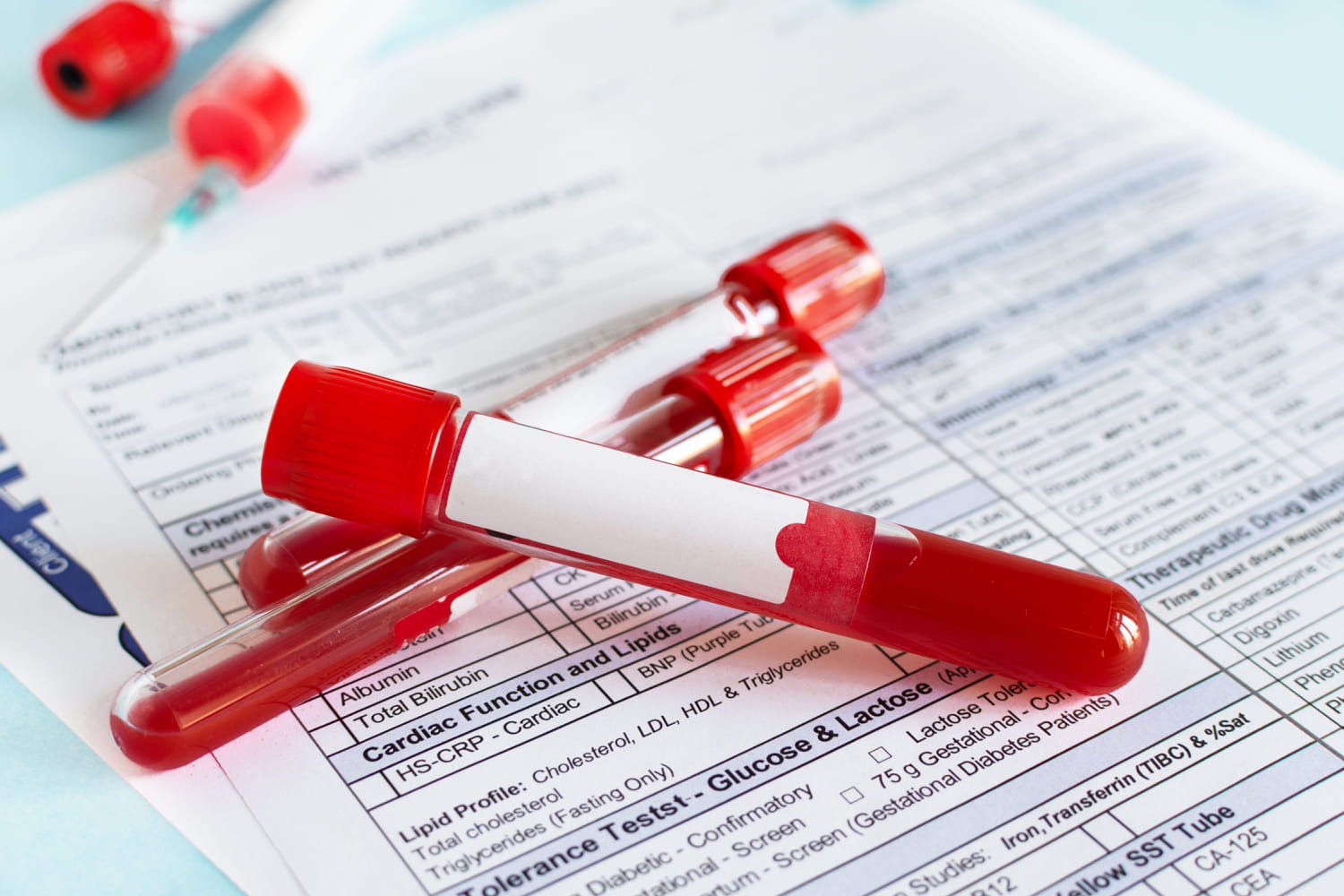
Creatinine is measured mainly in the blood (serum creatinine) to assess the filtration capacity of the kidneys. Urine testing (creatininuria) is a practice that has become rare and reserved for very specific medical situations. The creatinine that we check routinely is done via a blood test.
What is creatinine?
Creatinine is a substance resulting from the breakdown of creatine (a natural amino acid derivative) in skeletal muscle. It is an organic waste, normally evacuated through urine after filtration by the kidneys. Measuring creatinine is the reference method for checking that the kidneys are correctly performing their role as a natural “filter” to clean the blood.
Advice before a blood test
To avoid an artificial and erroneous increase in creatinine level, it is strongly recommended not to engage in intense physical exercise (sport) in the 24 to 48 hours preceding your sample. Likewise, a very high consumption of red meat the day before can sometimes influence the results.
Blood creatinine level (serum creatinine) and GFR
When the kidneys’ ability to eliminate waste decreases, creatinine builds up in the blood. To interpret your results, you should not focus only on the creatinine level (the raw value). You also need to look at the GFR (Glomerular Filtration Rate). Creatinine is the waste product that we observe, GFR is the real measure of kidney performance: it indicates the speed at which the blood is purified.
GFR is estimated by calculating creatinine clearance. The Haute Autorité de Santé recommends the use of the CKD-EPI formula, which is today the international standard used by laboratories to automatically calculate the GFR on a report, based on your creatinine level, your age, your sex and your weight.
Normal GFR: between 90 and 120 ml/min/1.73 m².
Between 60 to 89 ml/min/1.73 m²: chronic renal failure is mild (requires monitoring).
GFR less than 60 ml/min/1.73 m² : defines chronic kidney disease.
Urinary creatinine
Measuring creatinine in 24-hour urine is now a rare practice. It is reserved for very specific clinical situations. In the vast majority of cases, blood testing and GFR calculation are sufficient to assess your kidney function.
What causes high creatinine?
Creatinine levels increase in cases of renal failure (kidney dysfunction). This decline in kidney function is often silent and does not cause visible symptoms in the early stages. High creatinine can also be linked to:
- Very intense physical or muscular activity (in athletes).
- Significant muscle mass.
- Severe dehydration.
- Taking certain nephrotoxic medications.
What causes low creatinine?
Low creatinine can be a sign of muscle atrophy (myopathy, malnutrition) or a loss of significant muscle mass. It is often accompanied by fatigue and weakness.
When to worry?
Outside of a sporting context, a high creatinine level requires a consultation for monitoring and research into the causes (diabetes, hypertension, infections, toxic medications).
Good reflexes to protect your kidneys
- Eat a balanced diet, not too rich in salt and protein.
- Drink water regularly (around 1.5 liters per day, depending on your activity and climate).
- Monitor the intake of medications (especially certain anti-inflammatories) that can be toxic to the kidneys.
- Monitor your diabetes and blood pressure closely.
- Stop smoking, because tobacco accelerates the progression of kidney disease.
Thanks to Dr Brigitte Lantz, nephrologist, for the basis of this information.