





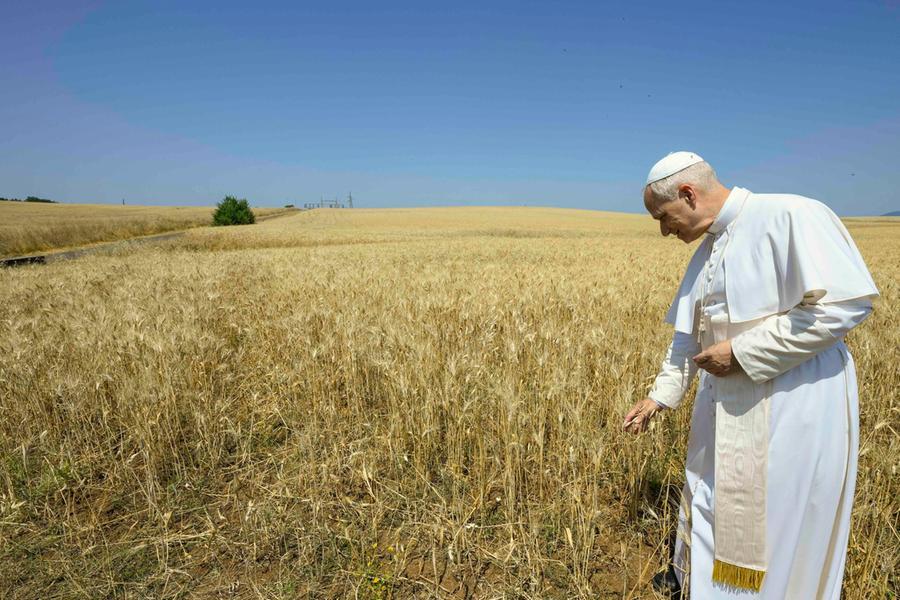
It’s not just a photovoltaic system. It is the attempt to transform a principle of integral ecology into a concrete infrastructure. The Holy See wants to achieve energy self-sufficiency thanks to a large agrivoltaic project that will be built in the extraterritorial area of Santa Maria di Galeria, on the outskirts of Romea territory approximately ten times the size of the Vatican City State. An initiative that intertwines technological innovation, protection of creation and ethical responsibility, in the wake opened by Pope Francis with the Praised yes and today relaunched by Pope Leo XIV.
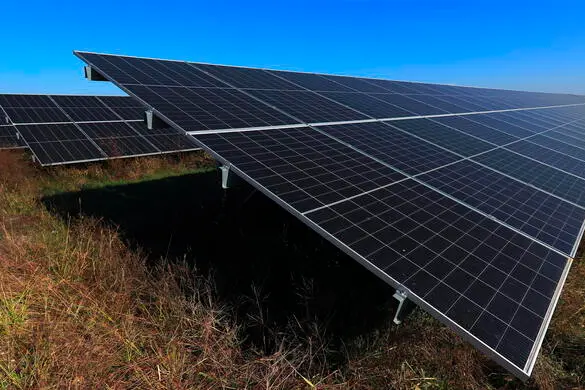
In recent days the Governorate of the Vatican City State, the Administration of the Heritage of the Apostolic See (APSA), the Fratello Sole Foundation and Acea have signed a memorandum of understanding to develop the project, intended to combine the production of renewable energy and agricultural use of the territory. The declared objective is ambitious: to power not only the Vatican Radio systems present in the area, but to guarantee the complete energy needs of the entire Vatican State.
The choice of agrivoltaics is not random. Unlike traditional photovoltaic fields, this technology allows you to install raised panels while maintaining the possibility of cultivating the land below or using it for other agricultural activities. In this way, energy production is accompanied by the protection of the soil and landscape, seeking a balance between development and environmental protection.
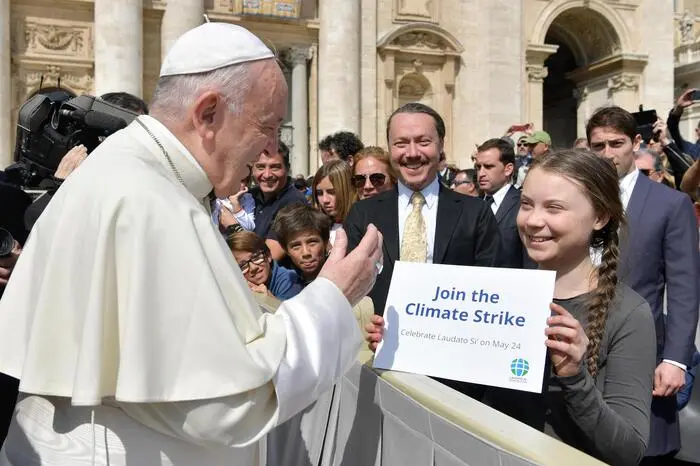
According to what was explained by the Holy See, the project will adopt sustainability criteria throughout the life cycle of the infrastructure: reduction of emissions, efficient use of water resources, protection of ecosystems and valorisation of agricultural land. The agreement with Acea arises precisely from the technical complexity of an initiative that requires integrated energy, environmental and management skills. The legal framework was defined by the agreement between Italy and the Holy See which recently came into force and by the establishment of the Fratello Sole Foundation, intended to accompany its implementation. The project explicitly refers to Praised yesat the Laudate Deum and to the motu proprio Brother Sun of Pope Francis.
The idea, after all, was not born today. Already Francis had indicated the climate crisis as a moral issue as well as an environmental onecalling for an ecological conversion capable of involving Christian institutions, businesses and communities. In the 2015 encyclical he denounced the limited global access to clean energy and called for the development of new technologies and sustainable production models, without sacrificing the dignity of people or devastating the territory.
In recent years that spirit has also translated into many local experiences. Several Italian dioceses and parishes have promoted shared photovoltaic systems, self-consumption groups and renewable energy communities, considered not only tools for reducing bill costs but opportunities for solidarity. The energy produced in common can in fact become a lever to support vulnerable families, charitable organizations and social workstransforming the ecological transition into a practice of justice and participation.
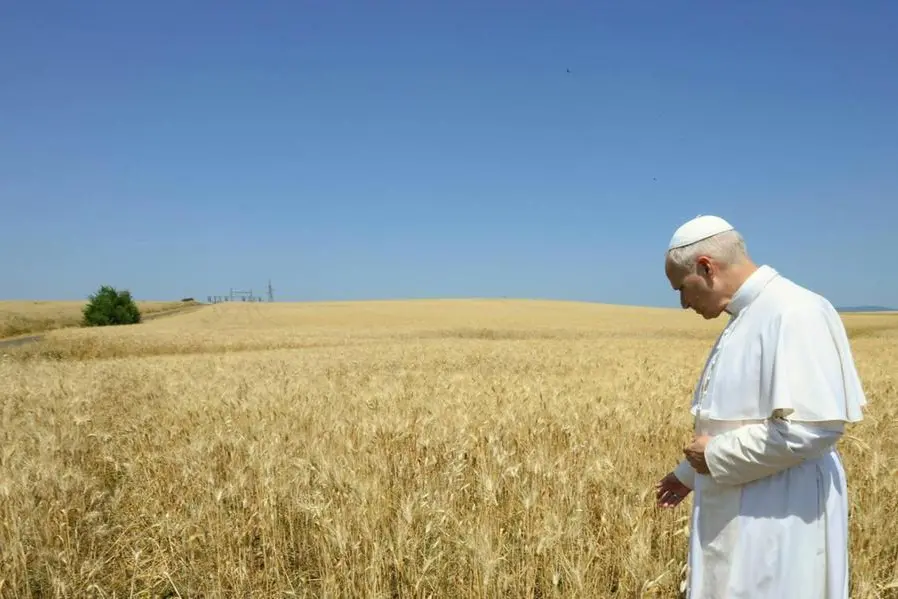
The Santa Maria di Galeria project therefore represents something more than a technological investment. It is a symbolic message: even the smallest state in the world chooses dtackling one of the great challenges of our time, showing how faith, innovation and care for our common home can proceed together. If it is built according to the announced programs, the sun that illuminates the lands on the outskirts of Rome could also become the source of energy that powers the heart of the Catholic Church.