





According to a large study, carriers in a specific group exhibit faster cognitive decline. Find out if you are affected and how to protect your brain capital in the face of aging.
The blood group is specific to each individual and appears either on an official card issued by a medical analysis laboratory and/or on the health record. Concretely, knowing your blood type is essential during an urgent transfusion or pregnancy. Beyond these cases, science is increasingly interested in what the letters of each blood group (A, B, AB or O) reveal about our health. After the impact on the risk of stroke, the risk of cancer or even on the immune system, American researchers have shown the possible consequences of blood group on the brain.
These researchers followed more than 30,000 participants, aged 45 to 98, whose cognitive functions and blood samples were analyzed over an average period of 3 years. At the end of their study, they found that people with a certain blood type had an 82% higher risk of cognitive decline compared to other groups. Concretely, they were more likely to develop memory, attention or language problems over the course of their lives which could ultimately lead to dementia.
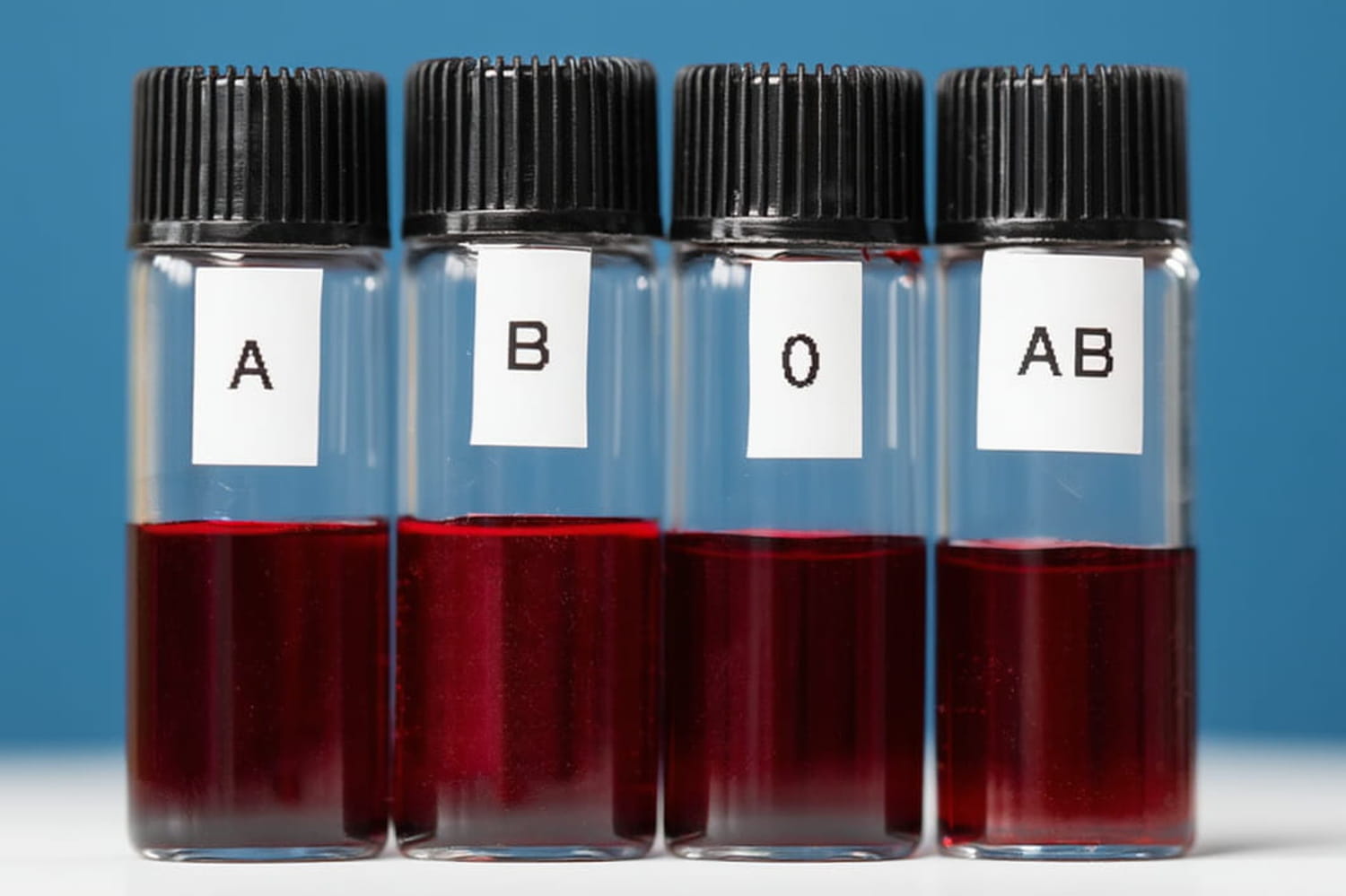
These people who are more “at risk” are those with blood group AB. According to the researchers, they have a higher quantity of “factor VIII” (a coagulation protein) than the others. Too high a concentration of this protein can make the blood more “thick” or viscous, which hinders microcirculation in the small vessels of the brain and deprives neurons of optimal oxygenation in the long term. In France, the AB group is by far the rarest. According to data from the French Blood Establishment (EFS), it only concerns 4% of the population, or around 2.7 million people.
On the other hand, people in group O seem to benefit from a brain-protective advantage. These people would have more gray matter in certain parts of the brain (the cerebellum) than other groups. The cerebellum is notably one of the key areas of memory.
Should we be worried if we have type AB? Absolutely not. Dr. Mary Cushman, lead author of the study, points out that genetics is not an immutable biological destiny, particularly regarding the length of a person’s life. Blood type is just one piece of a complex puzzle. “It’s important to remember that lifestyle factors – like a healthy diet, exercise and not smoking – remain crucial ways to protect your brain“, she insists. So, whatever your blood type, lifestyle also greatly influences brain aging.