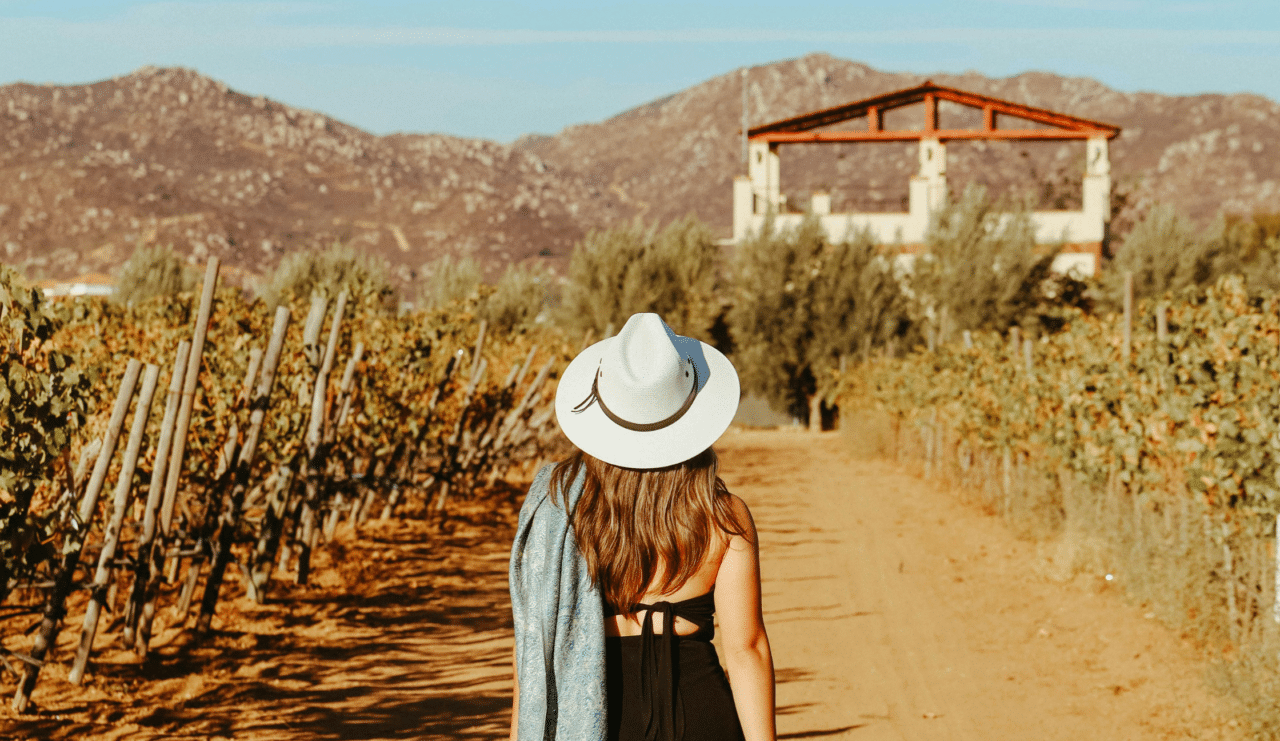
Go alone. For some, the idea immediately evokes freedom. For others, it mainly awakens a long list of fears: fear of solitude, the unknown, the unexpected or the gaze of others. Yet once the first ticket is booked, many discover much more than a destination: they encounter a version of themselves that is more empowered, bolder and more confident.
Solo travel isn’t just a tourism trend. It is a true personal development experience which acts as an accelerator of self-confidence and, sometimes unexpectedly, as a formidable training ground for leadership. Because learning to lead yourself is often the first step before being able to lead a project, a team or a company.
Why does solo travel profoundly change the way we make decisions?
When we travel as a group, responsibilities are distributed: we exchange ideas, we validate choices together, we reassure each other. In solo, this dynamic completely disappears.
Every decision rests on you: choosing a hotel, changing an itinerary, booking a train, dealing with a plane delay, finding a restaurant or deciding to extend a stay: so many small decisions which, taken together, constantly put you back in the pilot’s seat.
This daily autonomy may seem trivial. However, it produces a major psychological change: it reinforces what psychologists call the sense of self-efficacythat is to say the conviction that one is capable of facing new situations.
The more this conviction grows, the less need we have to wait for the approval of others to act. An essential quality when you have to make important decisions in your career or professional activity.
Self-confidence is rarely born in comfort
Contrary to popular belief, confidence does not precede action. It is often the consequence.
Traveling alone naturally involves a multitude of slightly uncomfortable situations:
- ask directions in a foreign language;
- eating alone in a restaurant;
- strike up a conversation with strangers;
- manage a reservation problem;
- improvise a new route.
At the time, these experiences may seem mundane. However, each of them constitutes proof that we are capable of adaptation.
In psychology, this mechanism is known: our brain builds confidence through experiences of success, even modest ones. Each difficulty overcome enriches our “inner library” of successes.
It is exactly the same process that occurs when you dare to speak in front of a management committee, launch your business, ask for a raise or negotiate an important contract.
Solo travel simply concentrates these learning opportunities into a few days.
Learn to decide quickly… even without having all the information
No trip goes exactly as planned. A train is canceled. The weather disrupts the program. The accommodation booked does not look like the photos. An activity is complete.
Solo, it’s impossible to defer the decision to someone else. You have to quickly analyze the situation, choose an option, then move forward. This ability to arbitrate in uncertainty is precisely one of the most sought-after skills among managers, leaders and entrepreneurs.
The best leaders don’t wait until they have 100% of the information before acting. They know how to make a decision with the available elements, then adjust their strategy if necessary.
Solo travel provides a particularly concrete training ground for this skill.
Traveling alone develops valuable emotional intelligence
Beyond practical skills, the solo trip also invites you to get to know yourself better.
Without a traveling companion to distract or influence choices, we gradually learn to listen to our own needs: “ Do I really want to visit this museum?« , « Am I tired?« , « Am I doing this activity because I like it… or because it’s a must-have on Instagram?“…
This self-listening develops a better understanding of one’s limits, one’s energy and one’s deep motivations.
However, sustainable leadership relies as much on self-knowledge as on technical skills. A leader who is able to identify her needs, emotions and areas of fatigue will generally make better decisions than someone who is constantly moving forward on autopilot.
Going beyond the gaze of others: an often unexpected liberation
One of the most common obstacles to solo travel remains the outside perspective. However, this fear often disappears within the first few days.
As the journey progresses, we realize that everyone is absorbed by their own experience. And even when looks exist, they rarely have the importance we give them.
This awareness goes far beyond the framework of holidays. It also helps to:
- dare to propose an innovative idea in a meeting;
- publish content on social networks;
- start your business;
- affirm an unpopular but necessary decision.
The less we depend on the outside perspective, the more our leadership gains in authenticity.
What solo travel teaches about female leadership
Leadership is not just about inspiring or managing a team. It begins with the ability to lead oneself.
Solo travel allows you to develop several essential reflexes:
- trusting your own judgment rather than seeking constant validation;
- accept that not everything can be controlled;
- remain adaptable in the face of unforeseen circumstances;
- manage your stress without losing your capacity for action;
- recognize your limits without transforming them into definitive obstacles;
- develop your autonomy while knowing how to ask for help when necessary.
So many qualities which then naturally find their place in professional life, whether it is leading change, managing a team, creating a business or managing a complex project.
How to prepare for your first trip alone with peace of mind
Contrary to popular belief, there is no need to go to the other side of the world for three weeks to benefit from the effects of solo travel. A simple weekend can already constitute an excellent first experience.
Some tips allow you to leave more peacefully:
- choose a destination known to be safe and easy to access;
- book the first few nights to avoid unnecessary stress;
- share your itinerary with a loved one;
- keep digital copies of your important documents;
- leave room for improvisation without trying to fill every hour of your schedule.
The goal is not to have a perfect trip, but to learn to trust yourself.
The real souvenir you bring back from a solo trip
Landscapes sometimes end up fading in memories. On the other hand, the feeling of having been able to manage new situations alone remains for a long time.
We rarely come back from a solo trip exactly the way we left. We come back with more confidence, better self-knowledge and a strengthened ability to move forward despite uncertainty.
And it is precisely these qualities that nourish strong leadership, whether expressed in a boardroom, at the head of a company or during a career change.