




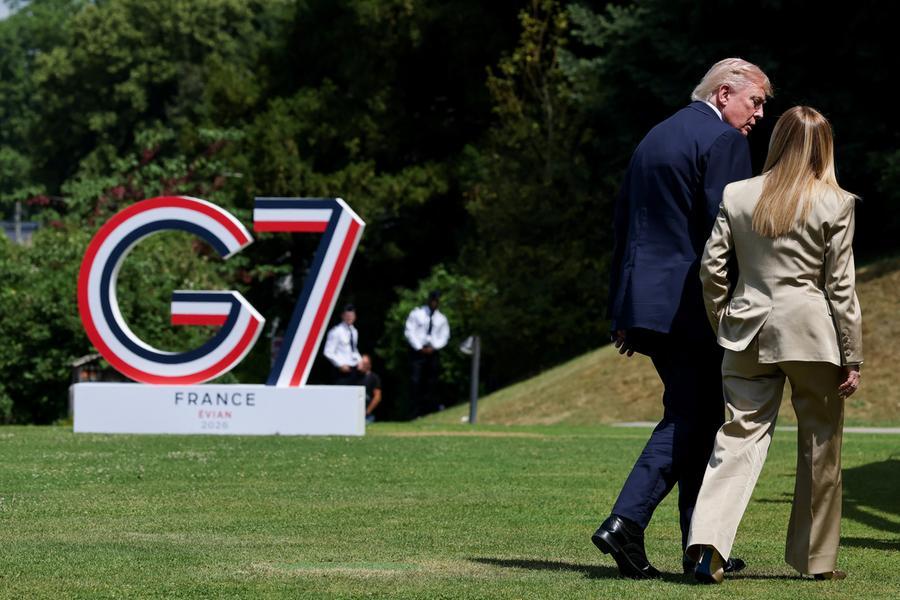
For a long time, the relationship between US President Donald Trump and Italian Prime Minister Giorgia Meloni it was considered one of the strongest ties between Washington and a European government. Trump had repeatedly praised Meloni, calling her a strong and reliable leader, while the Italian prime minister had tried to present herself as a privileged interlocutor of the American administration.
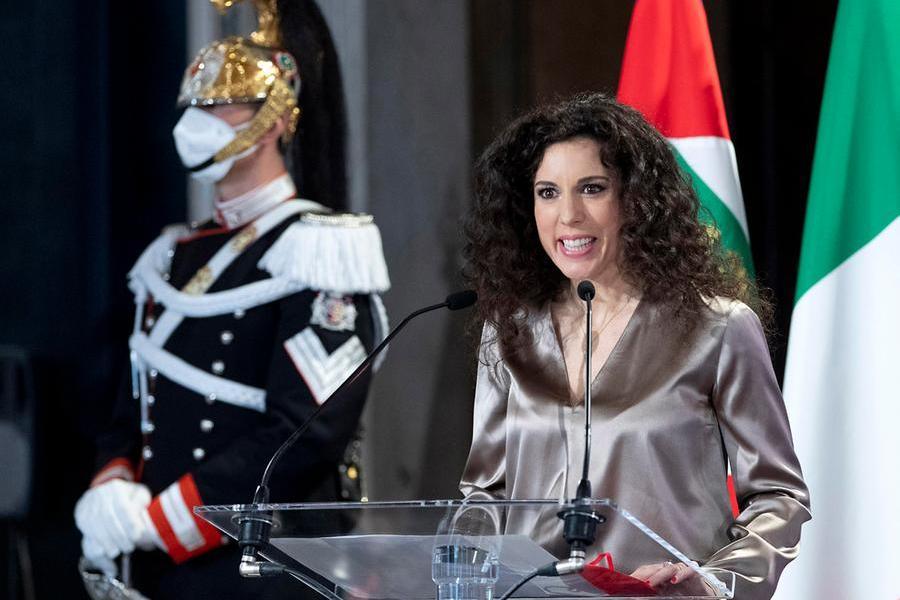
In recent months, however, the relationship progressively deteriorated until it turned into a public clash. The culmination came after the G7 summit a few days ago, when Trump claimed that Meloni would have insisted on obtaining a photograph with him and that the meeting would have taken place almost “out of pity”. The prime minister forcefully rejected these claims, calling them false and accusing the American president of showing more respect towards the West’s adversaries than towards historical allies.
However, the conflict did not arise from the G7 episode, but it is the result of a dynamic that began some time ago, a source of divergences that have progressively distanced the two leaders.
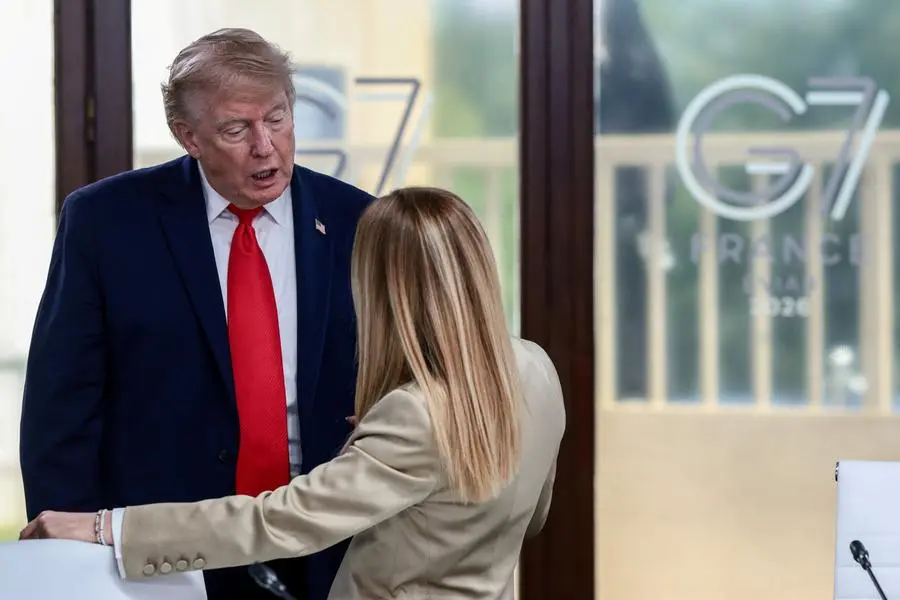
In an initial phase Meloni had tried to maintain cordial relations with Trump even on controversial issues, attracting discontent within Italy and also in Europe, such as trade duties towards the European Union and American policy towards NATO. The Italian strategy, according to the Government, aimed to maintain a direct channel with the White House and to carve out a mediation role between Washington and Brussels.
This, however, did not happen: increasingly marked differences emerged on the management of international crises, particularly in the Middle East and on the relationship with European allies.
Trump’s attack on Meloni can be traced back to four factors.
The main breaking point concerns the crisis with Iran. Trump accused the Italian prime minister of not having adequately supported the American action and of not having collaborated in the initiatives requested of the Western allies (Italy did not grant NATO bases). In several statements, the US president claimed that Meloni had shown little determination to counter the Iranian threat and support US efforts in the region.
Trump went so far as to declare that he was “shocked” by the Italian leader’s position and that he was wrong in considering it a particularly courageous policy.
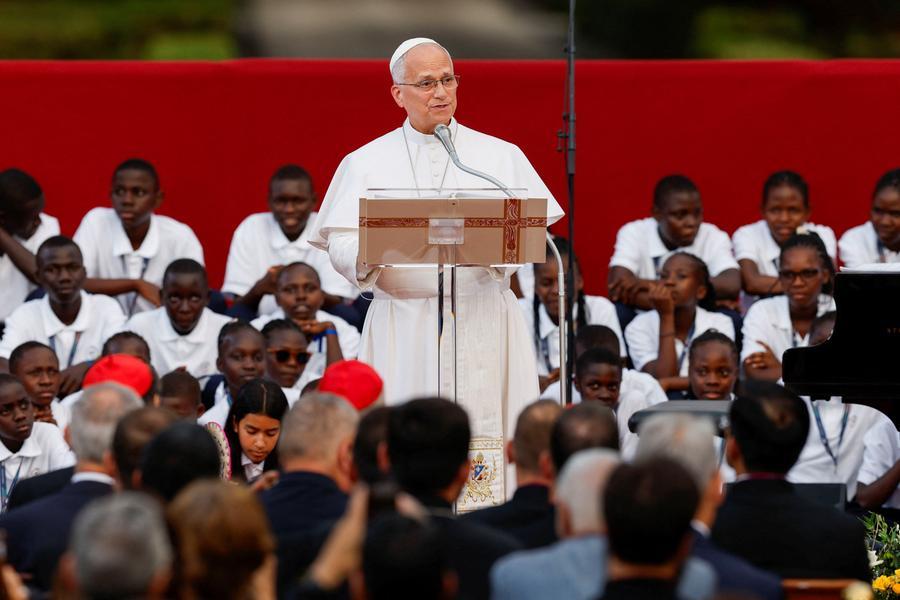
Another decisive element was the public support offered by Meloni to Pope Leo XIV after Trump’s verbal attacks on the pontiff.
When the prime minister defined the American president’s criticism of the Pope as “unacceptable”, Trump reacted harshly, transforming a political disagreement into a personal clash.
Trump also accused Italy and other European partners of not contributing enough to Western security and to leave the main burden of strategic operations to the United States. In his statements he also linked the criticism of Meloni to the issue of military spending and the commitment of allies in international crises.
This criticism is part of a political line that Trump has maintained for years towards NATO and European governments.
Finally, there is a personal and political dimension. Meloni had often been presented as Trump’s main European ally. His progressive distancing therefore also had a symbolic value. Some analysts believe that the public attacks served the American president to signal that he does not intend to tolerate criticism even from leaders traditionally considered close to his administration.
The clash produced an unprecedented situation. In Italy, several of the prime minister’s political opponents also criticized Trump’s statements, considering them offensive towards the country. At the same time, the episode highlighted the failure of the strategy that aimed to build a privileged relationship between Rome and Washington through the personal bond between the two leaders.
It remains to be seen whether the crisis is destined to end or whether it represents a deeper fracture.