




International tensions have blocked or modified traditional pilgrimage routes: which destinations are completely “out of the question” and which ones do you feel comfortable recommending?
«Currently, the entire Middle East area is at a standstill as regards pilgrimages and tourism in general. In relation to the traditional destinations in that area, many companies have canceled flights not only to Tel Aviv but also to Amman, for the next few weeks and even months. However, we always follow the indications given by the Italian government and published on the travelingsicuri.it website. Therefore, the most requested destinations for pilgrimages in this period are the European ones”.
Are alternative religious destinations becoming established?
«There are many alternative religious destinations to the Holy Land and the sacred places of the Middle East. People prefer traditional pilgrimage centers in Europe such as Lourdes, Fatima, Czestochowa, Medjugorje, Santiago de Compostela and certainly Assisi, in the Franciscan year on the occasion of the 800th anniversary of the death of Saint Francis. We have also noticed in recent years an ever-increasing interest in religious paths in Italy and Europe, as well as the rediscovery of more particular destinations in search of spirituality, such as the sanctuaries dedicated to the Sacred Heart of Jesus in France, the Marian Route in Spain and various itineraries linked to the Holy Fathers and Mothers of the Church. The faithful also love to retrace the traditional pilgrimages in the footsteps of Saint Paul in Greece, Malta and Turkey, even if the latter destination is indirectly affected by the current geopolitical situation”.
The increase in flight costs risks making some destinations less accessible: how can we ensure that these trips do not become an experience for the few?
«We are a tour operator specializing in pilgrimages and group cultural tours and our proposals are planned many months in advance: for this reason, the currently scheduled departures will not undergo price changes. As regards future departures, we sincerely hope for an improvement in the situation in the short term, so that fuel and kerosene costs can return to more sustainable levels. At the same time, starting last year, we also began to develop and plan train pilgrimages, particularly in Italy, where the railway network offers widespread coverage and represents a valid and sustainable alternative.”
Can new routes, often more sustainable and less known, become a stimulus to propose routes that respect creation, communities and territories?
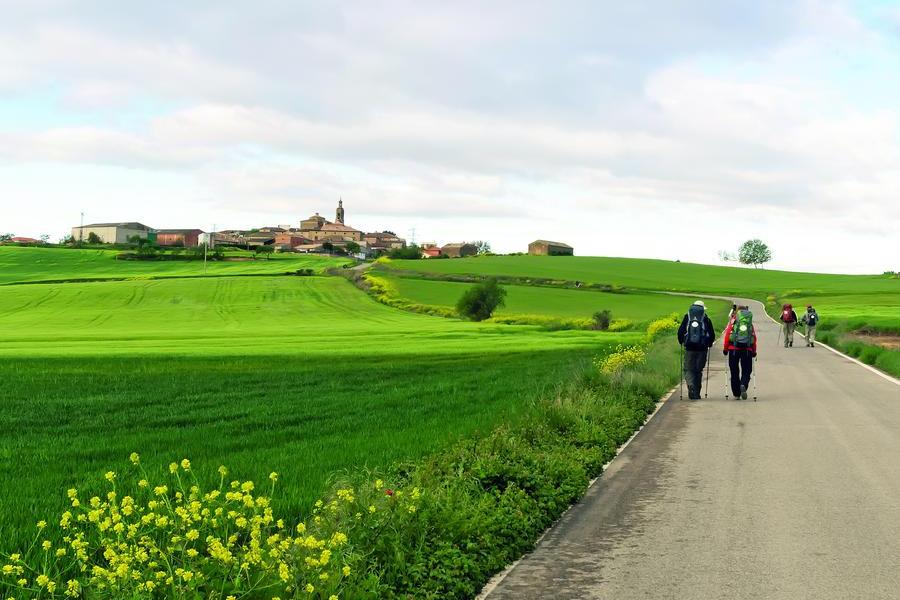
«Certainly yes. From this year, we are witnessing an increased interest in large and medium-sized walks and pilgrimages on foot, where it is possible to combine benefits for the body and refreshment for the soul, respecting the creation and searching for places linked to the history and culture of the hinterland of our countries. We have called them “the treks of the soul”. These are group spiritual journeys with a companion, lasting about a week, to take a break from the frenzy of everyday life and find one’s center within an experience where body and soul join forces. The requested treks cross some of the most evocative and spiritually significant landscapes of Italy and Europe: from the Sienese hills and the medieval villages of the Via Francigena to the silent woods and Franciscan sanctuaries along the Via di Francesco; from the mountain panoramas and historic convents of the Marche along the Capuchin path to the Atlantic paths of the Portuguese or French path, which lead towards Northern Spain and Santiago. We have also tried to include summer proposals: the Salento coast, from Otranto to Santa Maria di Leuca, delving into the person and spirituality of Don Tonino Bello.”