





Fear is a bad advisor
In every person’s life fear it inevitably occupies a deep space. It arises when we sense that something could hurt us, touch our serenity, undermine the balance we think we can count on. Sometimes it manifests itself in the face of the great trials of existence, other times it insinuates itself into the most ordinary folds of the days: in relationships which become complicated, in the fragilities that emerge, in the uncertainties of the future, in the difficulties that seem too heavy to support. Fear makes us vulnerable, makes us feel exposed, and often causes us to defend ourselves closing ourselves in or retreating from the responsibilities of life.
This Sunday’s Gospel page also realistically traverses this delicate human territory. Jesus does not speak to invincible men, but to fragile disciplesexposed, still crossed by doubts and anxieties. He knows the human heart well and knows how easily fear can paralyze, take away inner freedom, extinguish the courage of testimony. For this reason his words do not take on the tone of reproach, but that of a closeness that supports and raises: “Don’t be afraid.” It is an invitation that returns several times in the Gospel because it touches one of the most sensitive points of human existence.
Jesus does not promise a life without trials, nor does he assure his disciples of a path free of opposition. On the contrary, he prepares his people to deal with misunderstanding, rejection and sometimes even rejection with hostility. However, he reminds them that no darkness can permanently suffocate the truth of the Gospel.
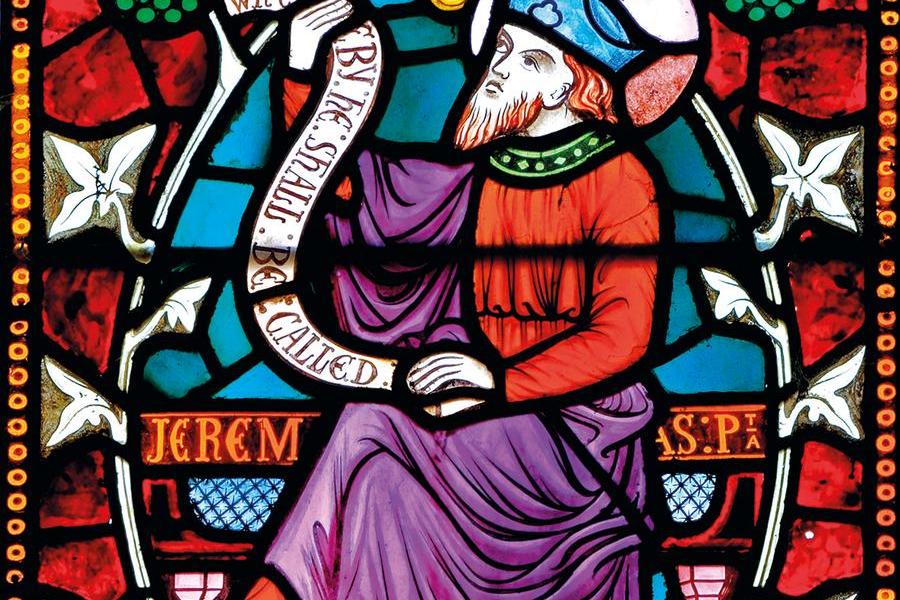
The first reading further illuminates this path through the figure of the prophet Jeremiah. The prophet experiences loneliness, humiliation, derision from those around him; he feels the weight of a mission that seems to become a reason for persecution. Yet, precisely in the hardest moment, Jeremiah does not stop trusting in God. Within his suffering, the certainty that the Lord does not abandon those who entrust themselves to him remains alive. Faith does not automatically eliminate pain, but it prevents it from having the last word.
It is a profoundly relevant message even for our time. We live in a society in which we are often afraid to defend what is good and to bear witness to the Gospel with simplicity and clarity. Sometimes it prevails the temptation of silenceof adaptation, of excessive prudence, almost as if faith had to remain confined to the private sphere. But the Gospel reminds us that the light cannot be hidden and that the disciple is called to live with authenticity, without allowing himself to be dominated by the fear of judgment or misunderstanding.
Jesus’ words, however, do not invite harshness or confrontation. The Christian does not bear witness to the Gospel by imposing himself on others, but by letting it shine through a new style of life: a style made of trust, meekness, perseverance and hope. The true strength of the believer comes from the awareness of being protected by God. Ultimately, man’s greatest fear is that of feeling alone. The Gospel responds precisely to this wound: no night is passed without the presence of God, no trial is without his gaze, no fragility is excluded from his mercy. For this reason the Christian can continue to walk even in difficult moments, knowing that the Lord precedes him and accompanies him.